5 Cash ISA alternatives as Rachel Reeves on brink of £12k change | Personal Finance | Finance

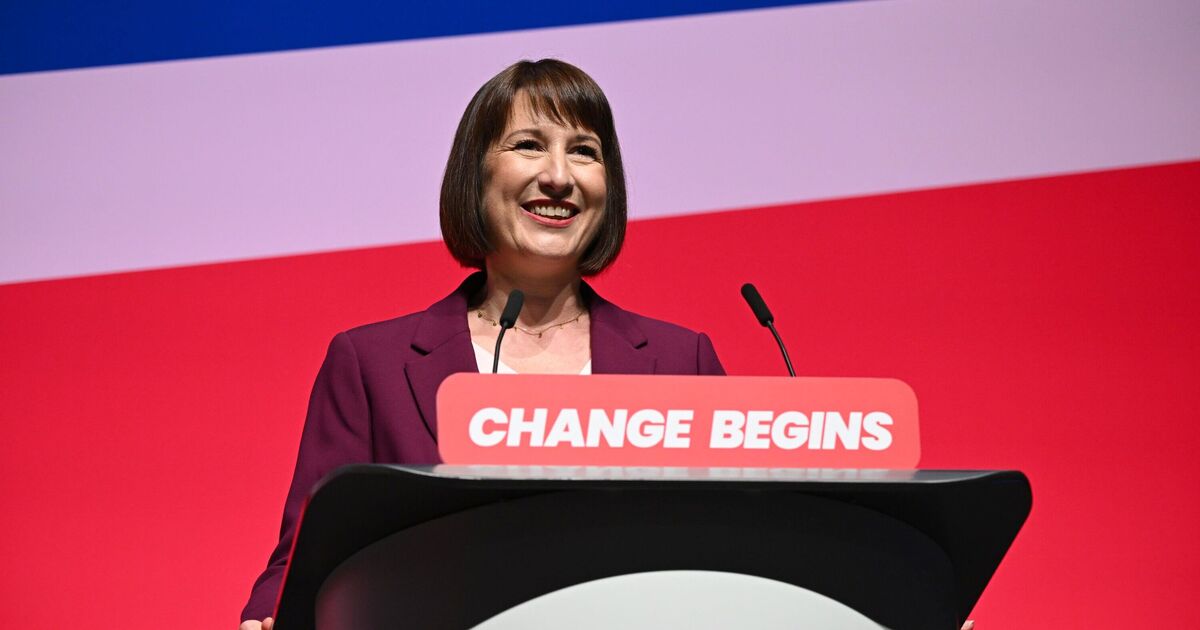
Reports suggest Rachel Reeves is considering restricting how much cash people can hold inside an ISA (Image: Getty)
Rumours of a major shake-up to Cash ISAs have left many savers looking for safer, low-risk alternatives in case the rules change this week. Some reports suggest Rachel Reeves is considering restricting how much cash people can hold inside an ISA, potentially capping it at £12,000 instead of the current £20,000. While nothing has been confirmed, speculation has already pushed savers to explore other cash-like options that can still sit within a Stocks and Shares ISA.
According to experts at AJ Bell, many people who would normally put the full allowance into a Cash ISA are now asking how to get “lower-risk, cash-like returns” without taking on the volatility of the stock market. Laura Suter, director of personal finance at AJ Bell, said: “Investment returns have significantly outpaced cash since ISAs were launched in 1999, with investors more than tripling their money, while cash savers barely beat inflation. However, investing doesn’t have to be full risk. There are lots of lower-risk, cash-like alternatives people can invest in through their Stocks and Shares ISA.”
Here are five alternative options, according to AJ Bell:
READ MORE: Rachel Reeves’ Budget could ‘provide energy bill relief’ for UK businesses
READ MORE: ‘Rachel Reeves just made another promise she can’t keep – and we will pay’

Money market funds have seen a surge in popularity during the last couple of years (Image: Getty)
1. Money market funds
Money market funds have seen a surge in popularity during the last couple of years as interest rates rose.
These funds invest in short-term debt such as bank deposits, government loans and corporate loans. The aim is to preserve capital while producing a return that behaves similarly to cash.
Ms Suter said these funds are often very easy to access because the underlying loans can be extremely short.
She added: “Sometimes the loans are so short-term they only take place overnight. This means the funds tend to be very liquid, providing a good cash alternative.”
There are two main sectors: IA Standard Money Market and IA Short-Term Money Market.
Funds in the short-term category must hold more of their portfolio in very short-dated assets, which can offer additional stability.
Over the past year, the average short-term fund returned 4.35%, while the standard sector averaged 4.54%.
Ms Suter said: “Generally, if the fund is offering higher returns than its rivals it will be investing in slightly riskier debt or longer-term debt, while lower return options will be in shorter, lower-risk options.”
2. Bond funds
Bond funds pool investor money to lend to governments or companies. These loans pay regular interest and return the original amount at maturity.
For years, bonds offered weak returns, leading some people to joke that they were “return-free risk”. But Ms Suter said that has changed. She explained: “That’s all changed as interest rates have risen. These days, investors can find far more appealing yields from bond funds.”
She warned that bond prices can rise and fall, especially when interest rate expectations shift. But they can still help stabilise a portfolio.
She said: “Government bonds in particular often move in the opposite direction to shares, which can help balance things out when stock markets are volatile.”
Investors can choose between government bond funds, corporate bond funds, strategic bond funds or higher-yield options with more risk.
3. Short-dated bonds
Instead of buying funds, some investors buy individual bonds themselves, especially short-dated gilts that mature within two to three years.
Ms Suter said gilts offer strong security because they are loans to the UK government, adding: “It’s pretty certain you will get your loan repaid, along with the interest promised.”
Short-dated bonds are also less exposed to interest rate changes, which means their prices tend to move less. Corporate bonds can offer higher returns but come with greater risk.
Ms Suter added: “An appeal of gilts is that investors aren’t liable to capital gains tax on them. This is where we have seen a lot of activity in the gilt market.”
However, buying individual bonds requires more research and may suit experienced investors.
4. UK Treasury bills
Treasury bills or T-bills are short-term loans to the UK government lasting one, three or six months. Instead of paying interest, they are sold at a discount and repaid at full value.
Ms Suter explained: “If you buy a £1,000 T-bill for £980, you’ll receive £1,000 when it matures, with the £20 difference being your return.”
They are considered one of the safest types of investment and sit somewhere between savings accounts and traditional bonds.
Ms Suter said their short duration makes them attractive for savers who don’t want to lock money away for years.
She added: “With T-bills, your money is typically tied up for only a few months, but once you’ve bought one, your money is locked in until maturity.”

Investment returns have significantly outpaced cash since ISAs were launched in 1999 (Image: Getty)
5. Multi-asset funds
For those who want a simple, all-in-one option, multi-asset funds mix cash, bonds, equities and other assets in a single portfolio.
Lower-risk versions hold higher levels of cash, money market instruments and bonds.
Ms Suter said: “Investors looking for a one-stop-shop for their portfolio could use multi-asset funds, but you’ll need to look under the hood to see what different funds actually invest in.”
There is no fixed structure, so savers should check each fund’s risk profile and holdings before choosing one.