State pensioners with joint pain could get £441 a month from DWP | Personal Finance | Finance
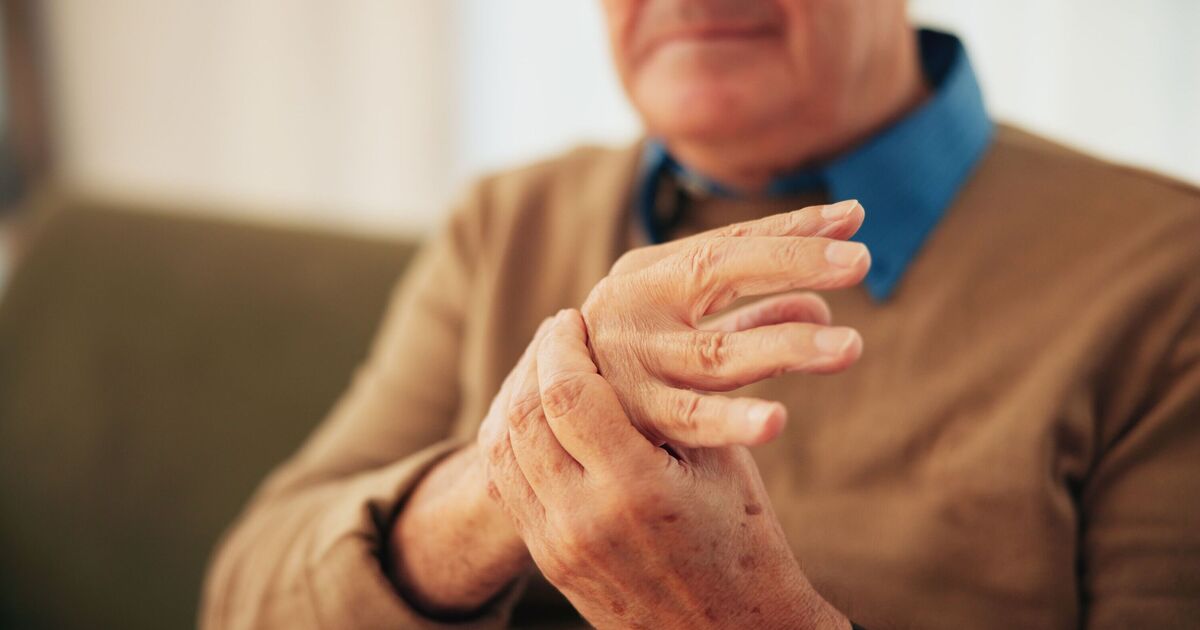
Arthritis is the most common health condition claimed by nearly 509,000 pensioners on Attendance Allowance across Great Britain. However, there are also 74,804 people over 66 claiming support for muscle, joint or back pain.
Joint pain – particularly lower back pain – is very common and while it usually improves within a few weeks, it can sometimes last longer or keep coming back, especially as we get older. Some 2.5 million people across the UK experience back pain every day of the year and many may not be aware they could be entitled to financial support to help with any extra costs the condition causes.
The latest figures from the Department for Work and Pensions (DWP) show there are now more than 1.7 million older people receiving additional financial support through Attendance Allowance.
The payment is not means-tested and worth either £72.65 or £108.55 each week. It is designed to help people of State Pension age with daily living expenses, but there is no mobility component attached to either benefit.
Eligibility for Attendance Allowance is not affected by savings or income and is paid every four weeks which means someone on the lower rate will receive £295.60 every pay period while those on the higher rate will receive £441.40, reports the Daily Record.
Across the UK, an estimated 20 million people are living with arthritis or similar conditions that affect the joints. If you’re one of them and are dealing with chronic pain in your back, joints, or muscles, you could be eligible for support.
There may be many more people who qualify for Attendance Allowance but simply aren’t aware of it to make a claim.
Here’s a brief overview of what you need to know about Attendance Allowance, including how to initiate your application. Comprehensive details about claiming Attendance Allowance can be found on the GOV.UK website.
It’s also worth considering making a claim for Attendance Allowance – or Personal Independence Payment (PIP) if you or a family member are below State Pension age. More information about claiming PIP can be found here.
Attendance Allowance in a nutshell
Attendance Allowance assists with additional costs if you have a physical or mental disability or illness severe enough that makes self-care difficult – it does not cover mobility needs. You don’t need to have someone caring for you to make a claim.
Who is eligible?
You should apply for Attendance Allowance if you have a disability or illness and require help or supervision throughout the day or at times during the night – even if you don’t currently receive that help.
This might include:
- Help with your personal care – for example getting dressed, eating or drinking, getting in and out of bed, bathing or showering and going to the toilet
- Help to stay safe
You should consider applying if you struggle with personal tasks, for instance, if they take a long time, cause pain, or require physical support like a chair to lean on. Attendance Allowance is not solely for people with a physical disability or illness.
You should also apply if you need assistance or supervision throughout the day or night due to:
- a mental health condition.
- learning difficulties.
- a sensory condition – such as being deaf or visually impaired.
If you require help during the day or at night, you could be eligible for £73.90, or £110.40 if you need help both during the day and at night, or if you are terminally ill. The benefit is paid every four weeks, meaning you could receive either £295.60 or £441.40 each pay period.
The money can be spent however you wish and it could assist you in maintaining your independence in your own home for a longer period.
This could include:
- using it for taxi fares.
- contributing towards bills.
- paying for a cleaner or gardener.
Can I claim Attendance Allowance even if I have savings and other income?
Yes. Attendance Allowance is not means-tested, so your other income or savings do not affect them – there’s no limit.
Both benefits are also tax-free and you will be exempt from the Benefit Cap, meaning no money will be deducted from any other benefits.
Neither benefit will have an effect on your State Pension and you can even claim it if you’re still employed and earning money.
Your other benefits might increase if you receive Attendance Allowance or PADP. These include:
- Additional Pension Credit.
- Housing Benefit Reduction.
- Council Tax Reduction.
How do I submit a claim?
To apply for Attendance Allowance, you’ll need to fill out a lengthy claim form. It may seem intimidating at first, but assistance is available from your local Citizens Advice, so don’t let the form deter you from applying.
If you’d prefer to handle it yourself, you can follow the Citizens Advice guide on how to complete your claim form here. Comprehensive instructions on how to obtain the application form by post or over the phone can be found on the GOV.UK website here.
What happens if I am nearing State Pension age?
If you’re considering applying for Attendance Allowance upon reaching State Pension age, it might be more beneficial to claim PIP immediately – you could potentially receive more money.
Who is ineligible for Attendance Allowance?
You won’t qualify for Attendance Allowance if you’re already receiving PIP or Disability Living Allowance (DLA) to cover your care costs. If you apply for Attendance Allowance while receiving DLA, the DWP will typically reassess your DLA award instead.
You can renew your PIP or DLA when the current award expires, provided you still meet the eligibility criteria. If your renewal is unsuccessful, you can apply for Attendance Allowance instead. More information about Attendance Allowance can be found on the GOV.UK website here.