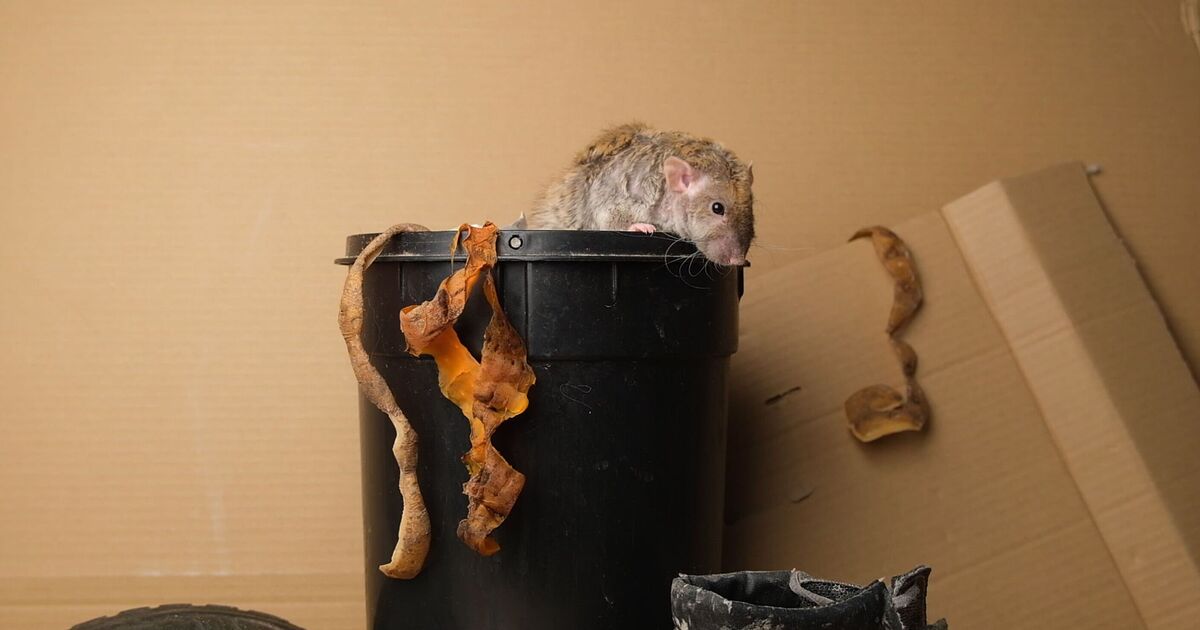
Stop rats and mice getting into your home with simple £4 fix
With winter in full swing across the UK, it’s not just humans who are feeling cold. The harsh frosty weather is when rats and mice enter homes to seek warmth, food, and shelter as the temperatures outside dip and become unbearable.
It’s times like these that overflowing waste in and around your home can pose a serious problem — bringing with it rodents in all shapes and sizes.
That’s where efficient waste management comes into play. According to experts, there are a few simple steps you can take in order to avoid attracting rodents into your homes.
Mark Hall, waste management expert at Business Waste and Tony King, owner of pest control firm The Pied Piper have broken down how to stop your waste from attracting rats this winter — including one natural £4 solution.
Use natural deterrents
Pest control expert Tony recommends a simple yet effective natural solution to deter rats which is not only economical, but also environment-friendly: “I frequently recommend peppermint oil as a cheap solution, as rats possess a good sense of smell and hate the scent of peppermint.
“You can soak cotton balls in peppermint essential oil (a small bottle costs around £4–£6 at your local supermarket) and place them near known points of entry, for example: around bins, drains, or sheds. Another easy and inexpensive method is to combine the oil with water and some vinegar and spray it around the base of bins or compost heaps.”
White vinegar is another effective and affordable method, according to Tony. “Rats hate the acidity and strong smell, so spraying it around bin areas, fence lines, or compost bins makes the place one they’ll want to avoid. It’s especially effective combined with cayenne pepper or crushed garlic, both of which are pantry staples that also act as irritants,” adds the expert.
Another unique solution is dirty cat litter. Tony says: “Dirty cat litter is another trick that some residents swear by. Sprinkling a bit of dirty (but dry) cat litter around rat entry points sends the message that a predator is near. It’s certainly not for everyone, but it’s free and a surprisingly effective DIY measure if you already have a cat.”
Mark adds: “While there are many solutions to preventing rats available on the market such as traps, they’re not for everyone. Natural methods like [those above] are economical and much more environmentally-friendly to use in your home.”
Clean bins regularly
Bins should be kept clean, not only on the inside, but also the rims, lids, and base.
Tony’s advice? “We recommend weekly washing of bins with a disinfectant like Zoflora or a bleach-water solution product that can be bought for under £3 per bottle. One practical trick is sprinkling a layer of baking soda at the bottom of the bin to absorb odours and moisture, which can otherwise attract pests. You’d be surprised how much difference this one cheap step can make.”
The pest control specialist also recommends cleaning food caddies regularly, ideally daily or every other day, to prevent a build-up of odours and to deter fermenting which attracts pests and flies. He adds that food caddies should be cleaned with hot water and mild disinfectant to ensure no residue remains that might attract rodents.
Maintaining a clean wheelie bin reduces unpleasant smells, germs, and deters pests. Whilst it might not be the most appealing task, dedicating time to cleaning your bins every couple of months is an effective way to prevent insects like flies and maggots from becoming a problem a major problem later on.
Waste management specialist Mark advises: “There are some simple storage and disposal hacks that will prevent smells and pests at the source. Correct food waste disposal helps keep your bin clean, but it also means you’ll be doing your bit for the environment.”
Avoid leaving waste outside the bin
Tony offers a critical tip: “Never leave tied-up bin bags next to or on top of your bin. Even a securely tied bag can leak smells or be partially ripped, and rats will gnaw through them.”
He suggests always putting bags in a covered bin, adding, “If your area is also fox or other wildlife-prone, consider the use of a wheelie bin lock strap. These can be found online for under £10 and prevent both spills and access.”
Mark seconds the advice: “Ensuring bin bags are always placed in covered bins not only reduces the chance of pests getting inside, but also reduces the chance of litter being spread by wind, which can also endanger local wildlife if it spreads into our waterways.”
Hire pest control
It’s worth noting that while the above methods are useful, they’re short-term measures that must be reapplied continuously, particularly during summer months and after rainfall.
Mark cautions: “If waste isn’t managed properly in the home, it can become a hotbed for pests, especially when it becomes an issue. Many people simply take their rubbish out and forget about it until an issue arises.”
The expert believes it’s important to implement preventative measures, which are easier and cheaper compared to fixing a pest problem which has already begun. He adds: “The easiest solution is making waste as inaccessible to pests as possible.”
Tony advises: “If the problem is persistent, I always recommend that people bring in a professional before the problem escalates out of control, as rats breed very rapidly, up to six litters a year, and once they’re established in your home or building, deterrents won’t be enough.”