How one passenger’s ordeal reveals tensions beneath China’s growing ties with India
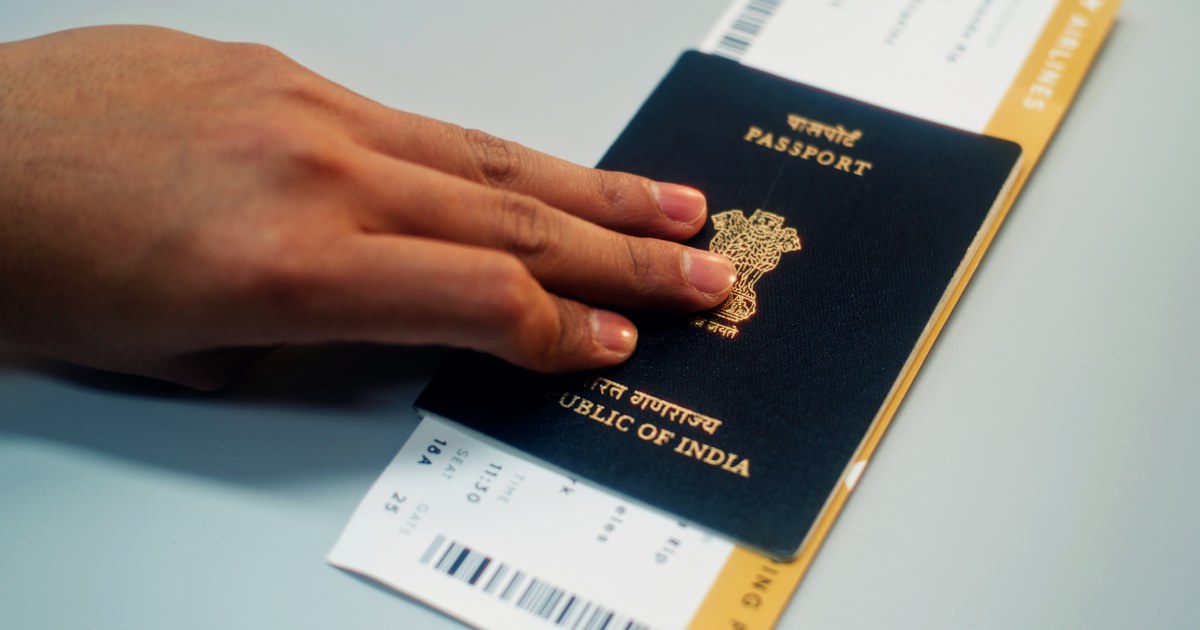
A routine layover turned into a debate over territorial sovereignty after border officials in China refused to allow an Indian woman to transit through the country and insisted her birthplace was part of Chinese territory.
Pem Wang Thongdok, an Indian citizen who has been living in Britain for over 14 years, said she was traveling from London to the Japanese city of Osaka via Shanghai, when a Chinese immigration official singled her out in the transit line.
“She went on to say Arunachal, not India, China China. Your visa not acceptable,“ Thongdok told Indian news agency, Asian News International. She added that she was told her passport was “invalid.”
At the core of the dispute is the mountainous region Arunachal Pradesh, which has a population of over 1.3 million people and is governed by India. Residents hold Indian passports, although China claims it is a part of South Tibet and calls it Zangnan.
Thongdok said she was also mocked and told, “You should apply for a Chinese passport.” It was a “very confusing moment,” she added.
In a separate post on X on Sunday, she said that she was held over 18 hours at the airport.
China allows visa-free transit for Indian nationals for up to 24 hours. By comparison, U.S. citizens are given 10 days.
Thongdok’s treatement caused an uproar in India and threatened to refreeze relations between the nuclear-armed neighbors which have thawed in recent months after a deadly border dispute.
“The passenger had been detained on ludicrous grounds,” an Indian government official briefed on the matter but not authorized to speak publicly about the incident, told NBC News.
India had made a “strong demarche” with the Chinese side and its consulate in Shanghai “took up the matter locally and extended fullest assistance to the stranded passenger,” the official added.
Calling on Indian Prime Minister Narendra Modi to rebuke Beijing, India’s main opposition party, Congress, said in a post on X that the country’s “honour, dignity and nationality must never be challenged on foreign soil.”
But China on Tuesday reasserted its claims over Arunachal Pradesh.
Mao Ning, a foreign ministry spokesperson, told a regular news briefing that her country “never acknowledges the so-called ‘Arunachal Pradesh,’” which she said was “illegally set up by India.”
Border authorities had “gone through the whole process in accordance with laws and regulations and had just enforcement,” she said, adding, “There’s no so-called compulsory measures, detainment, or harassment.”
The incident took place as relations between the two nations appeared to be improving.
Modi visited China for the first time in seven years in August and met with President Xi Jinping in Shanghai. At around the same time both countries resumed issuing tourist visas before direct flights bet the two them restarted.

“This incident underlines the intractable nature of the Sino-Indian border dispute despite the recent thaw in relations between New Delhi and Beijing,” said Praveen Donthi, a senior analyst at the International Crisis Group, a Belgium-based, international nongovernmental organization.
Beijing sees control over the region “essential for its hold over Tibet,” Donthi, who is based in India’s capital New Dehli, told NBC News via text message Tuesday.
For India, where three lawmakers in its parliament come from Arunachal Pradesh, “it’s a question of compromising on sovereignty,” Donthi added.
Those views were echoed by the Indian official who said the state was “indisputably Indian territory and its residents are perfectly entitled to hold and travel with Indian passports.”