Russia reeling as Ukraine special forces launch massive Black Sea raid | World | News
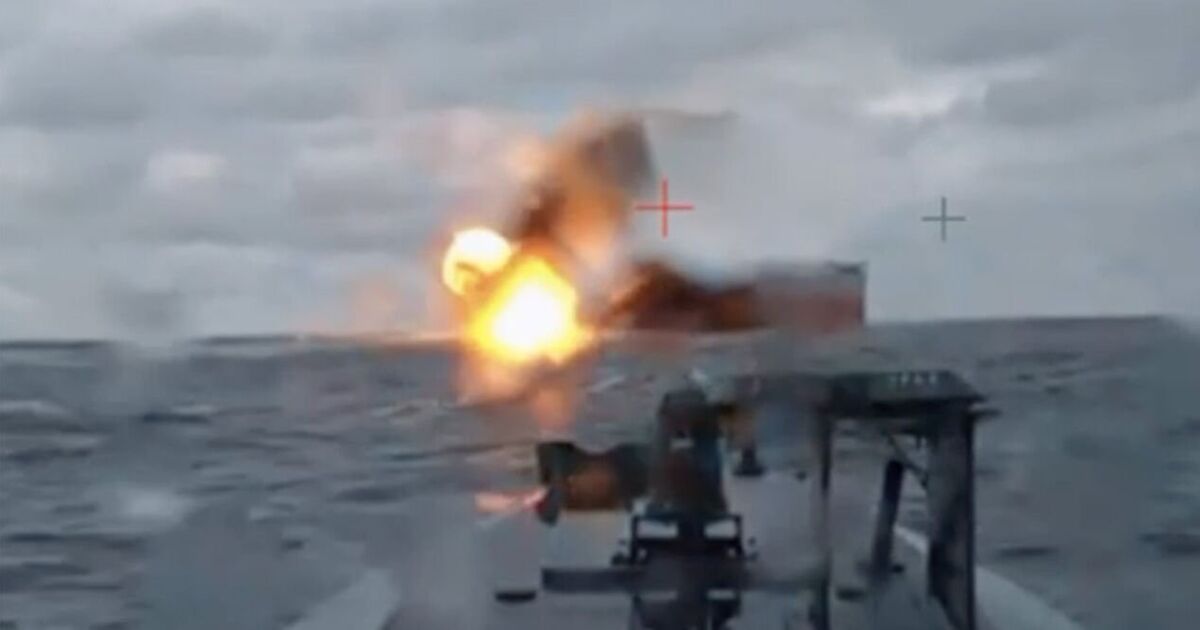
Ukraine’s Security Service has delivered a devastating blow to Russia’s shadow oil fleet. Sea Baby naval drones were used to cripple the Comoros-flagged tanker Dashan in the Black Sea on December 10. The $30million vessel, already sanctioned by the EU, UK, Canada, Australia, Switzerland and New Zealand for transporting Russian oil with its transponder deliberately disabled, suffered critical explosions in the stern while transiting Ukraine’s exclusive economic zone en route to Novorossiysk.
The SBU assesses the ship as out of service – the third shadow-fleet tanker disabled in the past two weeks, following strikes on Kairos and Virat. In a blistering 48-hour period, Ukraine has struck Russia across three domains simultaneously, leaving Moscow scrambling to contain damage to its war chest, its capital’s sense of invincibility, and its chemical-explosives industry.
On the night of December 9-10, waves of long-range Ukrainian UAVs penetrated deep into European Russia. Moscow Mayor Sergey Sobyanin reported at least 31 drones shot down over the capital, forcing temporary closure of Vnukovo, Domodedovo, Sheremetyevo and Zhukovsky airports.
No casualties or serious damage were recorded, but the assault marked another direct challenge to the security of the Russian seat of power.
Less than 24 hours later, in the early hours of December 11, Ukraine launched its largest recorded drone barrage – 287 UAVs according to Russian claims – targeting industrial facilities deep inside Russia.
The giant Acron chemical complex in Veliky Novgorod, 700 km from the border, and the related Dorogobuzh plant in Smolensk were both hit.
Geolocated footage showed large fires and secondary detonations at sites that produce ammonium nitrate, a compound with both fertiliser and military-explosives applications. Nineteen drones were reportedly downed over Novgorod Oblast alone.
Moscow’s retaliation was swift and brutal. Overnight into December 11, Russian ballistic missiles and Shahed drones struck Kremenchuk in Poltava Oblast for the second time in five days, hitting energy infrastructure and causing fires at power facilities.
Regional Governor Volodymyr Kohut confirmed the direct impacts and widespread blackouts, although no fatalities had been reported by morning.
The coordinated Ukrainian campaign coincides with mounting political pressure from Washington. President-elect Donald Trump, due to take office on January 20, has repeatedly urged Volodymyr Zelensky to negotiate an immediate ceasefire that would freeze the current front lines and lift sanctions on Russia.
Members of Mr Trump’s incoming national security team have warned that large-scale US military assistance may be curtailed after the inauguration unless Kyiv shows a willingness to compromise.
Mr Zelensky has publicly rejected any deal that legitimises Russian territorial gains, but the intensifying battlefield tempo suggests Ukraine is determined to strengthen its negotiating position before any potential shift in American policy.
The past 48 hours have demonstrated that, nearly three years into the full-scale invasion, Ukraine retains the ability to conduct simultaneous high-impact operations across the maritime, air and special-forces domains.
From sinking shadow-fleet tankers to setting fire to chemical plants hundreds of kilometres inside Russia, Kyiv continues to impose escalating costs on Moscow’s war economy – even as its own energy grid faces relentless Russian bombardment, and winter tightens its grip.