Trump makes complete U-turn on Putin after CIA releases shocking new evidence | World | News
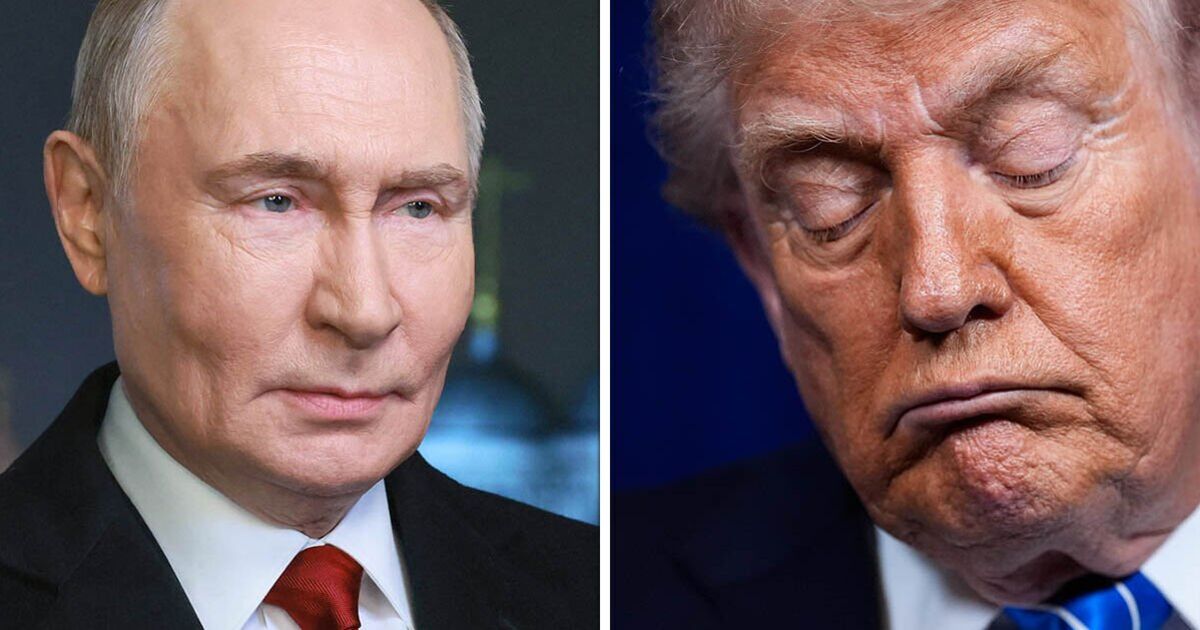
Donald Trump has dramatically reversed his stance on Russian President Vladimir Putin’s claim of a Ukrainian drone attack on one of his residences, after a CIA briefing that found no evidence supporting the allegation. The shift comes amid heightened tensions in US-brokered peace negotiations for the Ukraine conflict.
US President Mr Trump initially expressed outrage over the purported strike but later signalled scepticism by reposting a critical New York Post editorial on Truth Social. The editorial, headlined “Putin ‘attack’ bluster shows Russia is the one standing in the way of peace,” accused Moscow of fabricating the incident to derail diplomacy.
Mr Trump’s repost, his latest public comment on the matter as of early January 1, marks a clear U-turn from his earlier credulity toward the Russian narrative.
The controversy erupted after Mr Putin alleged, during a December 29 phone call with the President, that Ukraine launched over 90 drones targeting a residence in the Novgorod region.
Speaking to reporters at Mar-a-Lago that day, alongside Israeli Prime Minister Benjamin Netanyahu, Mr Trump said: “I am very angry about the claim. This is not the right time.”
He distinguished the event from routine military actions, noting: “It’s another thing to attack his house.” He acknowledged the possibility of fabrication at the time but initially leaned on Mr Putin’s word.
However, a CIA assessment, briefed to Mr Trump by Director John Ratcliffe on December 31, concluded Ukraine was not aiming at the Russian leader’s home. US intelligence determined the drones targeted a nearby military site previously struck, with no indication of intent to hit personal properties.
President Volodymyr Zelensky dismissed the accusation, stating: “The claim is a complete fabrication.” While Russian officials released video of downed drones, they provided no proof linking them to Mr Putin’s residence. The Kremlin reported intercepting 91 drones without damage or casualties.
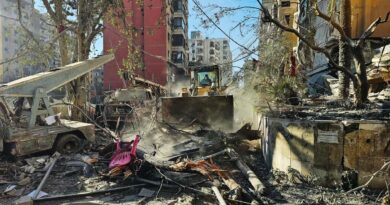
This episode unfolds against a backdrop of escalating reciprocal drone strikes. On December 31, the Russian-installed Kherson governor Vladimir Saldo claimed Ukrainian drones hit a cafe and hotel in the occupied village of Khorly, killing two dozen civilians and wounding over 50, including children.
Writing on Telegram, Saldo said: “Last night, the enemy carried out a deliberate drone strike on a venue where civilians were celebrating the New Year. Three drones attacked a cafe and a hotel in the settlement of Khorly on the Black Sea coast. According to preliminary reports, over 50 people were injured and 24 were killed.
“Many people were burned alive. A child was killed.”
However, Ukrainian officials have not confirmed involvement, and independent verification remains absent, with pro-Ukraine sources pointing to a total lack of credible evidence beyond Russian state media reports.
Analysts suggest Mr Putin’s drone claim may be an attempt to undermine the American peace push, which includes proposals for ceasefires and territorial concessions. EU officials echoed US scepticism, condemning any civilian targeting while urging de-escalation.
As strikes intensify—with Ukraine hitting Russian oil facilities and Moscow pounding Odesa—the incident highlights vulnerabilities in diplomacy. Mr Trump’s pivot could strain US-Russia ties, though he has not commented further.
White House aides declined requests for clarification, but sources indicate the CIA’s evidence—detailing no targeting intent—prompted the rethink. With peace talks stalled, the episode underscores the fog of war in information battles.