Anyone with Natwest account told of major change as date confirmed | Personal Finance | Finance
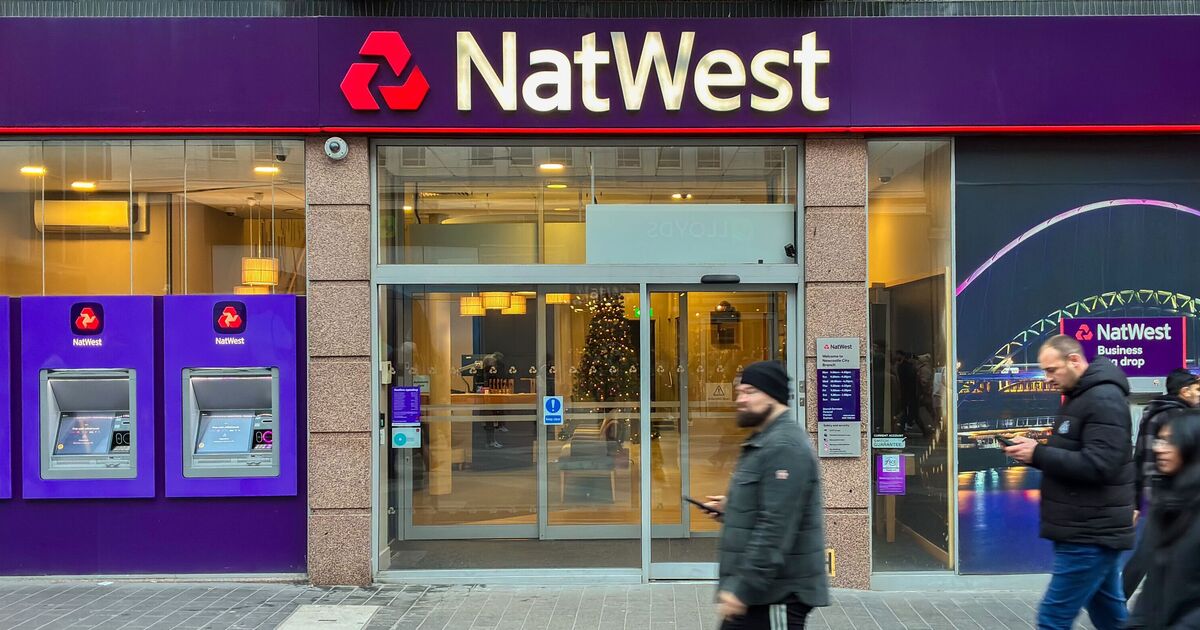
Anyone with a Natwest savings account is being notified of a significant change. The high street banking giant has been emailing customers telling them that the interest rates are being cut.
In a blow to savers the bank is reducing the rate of interest with the change coming in from January 19. The bank said to customers: “We want to let you know we’re changing the interest rate on your account(s). You may have heard the news that the Bank of England has decided to reduce the base rate. We’ve been looking at our rates too, as well as what’s on offer from other savings providers right now, and we’ve decided to reduce some of our interest rates.”
Changes include:
- Digital Regular Saver Annual Equivalent Rate 5.50% going to 5.25% /
- Flexible Saver £1 – £24,999 1.06% to 1%
- Savings Builder £1 – £10,000 1.50% to 1.25%
- Help to Buy ISA (Tax-free) 1.85% to 1.60%
- First Saver 1.85% to 1.60%
- Adapt Account 1.85% to 1.60%
For more information on all the changes click here.
The move came as in December interest rates were reduced to their lowest in nearly three years with Budget measures expected to push down on inflation but the Bank of England cautioned that further cuts will be a “closer call”.
The Bank’s Monetary Policy Committee (MPC) voted to reduce rates from 4% to 3.75%. Governor Andrew Bailey said the UK has “passed the recent peak in inflation and it has continued to fall”, allowing the MPC to cut borrowing costs for the fourth time this year.
“We still think rates are on a gradual path downward,” he added. “But with every cut we make, how much further we go becomes a closer call.”
The change came as one savings expert suggested people need to take action and look much further than high street banks like Natwest, Barclays, Nationwide and Santander.
In a rundown Matthew Jenkin from Which? consumer group said people fall into ‘traps’ which actually cost them a lot of money.
Mr Jenkin said people who stick £10,000, for example, in a high street instant access account could miss out by hundreds of pounds. He said: “One of the biggest mistakes you can make when looking for the best home for your savings is limiting your search to the high street. The familiarity of a household name may feel safe, but breaking out of your comfort zone and choosing a smaller lesser-known provider could leave you better off.”
He explained that smaller online operators often offered much more attractive rates and said data from Moneyfacts shows the gap in rates is widest on instant-access products. And he said the difference in interest could be more than £300 in a 12-month period for a sum of £10,000.
Mr Jenkin said: For example, if you invested £10,000 in a high street account paying 1.15% AER – the average high street rate – you could expect to earn £115 in interest over a year. But if that balance was invested in the top account for larger deposits you’d earn 4.48% AER and your annual interest income would increase to £448. That’s a difference of more than £300. If you’re nervous about saving with a bank or platform you’ve never heard of, there are some checks you can perform to ensure your money is protected.”
Checking if the bank or platform is covered by the Financial Services Compensation Scheme (FSCS) is vital as it protects up to £120,000 of a saver’s pot if it goes bust. Challenger banks have to abide by the same rules and regulations as other banks, but not all of them are FSCS-protected, he added.