‘I’m a savings expert – 5 tips for 2026 to switch, save, and shield’ | Personal Finance | Finance

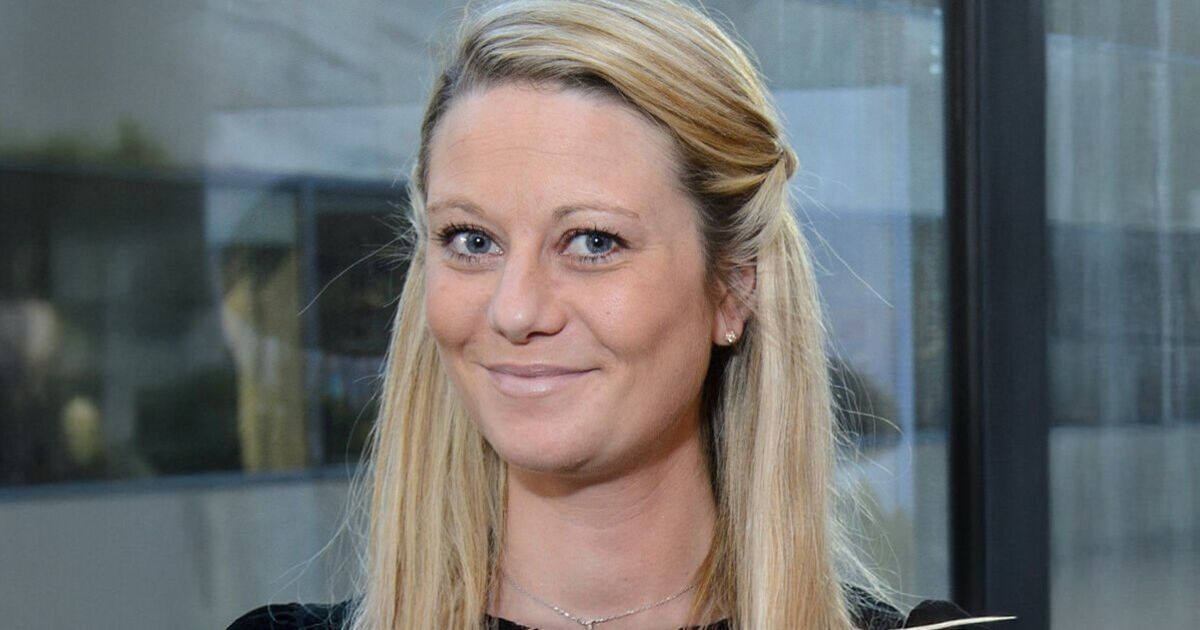
2026 could be the year to boost your savings (Image: Shawbrook Bank)
It’s time to embrace a fresh start in the new year. Whether you’re gearing up to try pickleball for the first time, perfecting your knitting skills, or simply determined to prioritise some much-needed self-care, it’s also the perfect opportunity to give your savings some attention. According to research from Shawbrook Bank 39% of UK savers keep their cash savings in a current account.
A quarter (25%) admitted to sticking with their existing bank rather than shopping around. This could mean missing out on better interest rates and returns. As you look ahead to new opportunities this year, it’s worth taking a moment to reassess your savings strategy, as a simple switch could help boost your savings in 2026. Sally Conway, head of savings at Shawbrook Bank gives savers a steer on where to focus in the year ahead.
Update your savings goals
Now is the perfect time to find a savings account that truly fits your needs. Ms Conway said: “Anticipation of interest rate cuts by the Bank of England in the new year is fuelling a rise in demand for Fixed Rate accounts, as further savers look to lock in current, higher returns. It’s important though, to assess your individual financial goals and consider whether a longer-term commitment aligns with your financial needs.”
For those looking to support long-term goals like retirement or future property plans, Ms Conway said: “Locking funds into Fixed Rate accounts can be a smart move.”
She added: “On the other hand, if you prefer to keep savings accessible for shorter-term needs—such as holidays or emergencies—an Easy Access Account offers flexibility, allowing you to withdraw funds when needed without early withdrawal penalties.”

Explore higher interest earning savings accounts with your current provider (Image: Getty)
Boost your savings with your bank
Focus not only on what you are depositing but also on maximising the returns your provider is offering, Ms Conway said.
She explained: “While it is tempting to stick to what you know, almost one in five (17%) savers say they wish they better understood the long-term benefit of earning just a few more percentage points in interest.
“Before shopping elsewhere, it could be a good opportunity to explore the full range of higher interest earning savings accounts with your current provider. Savers don’t have to leave to significantly boost savings, keeping your money safe, simple and exactly where it belongs.”
Read more: Brits urged to turn £1 into £5,050 with viral money saving challenge in 2026
Read more: Nationwide ‘don’t miss out’ alert ahead of £50 free cash deadline
Talk it out – explore accounts you didn’t know about
With over half of Brits (51%) keeping money secrets, it’s clear to see money can be a tricky topic for many. However, Ms Conway suggested: “The more we share knowledge, whether it’s a great rate, a useful app, or a provider that’s worked well, the better informed we all are.
“By talking to others and staying curious, you might uncover accounts or providers you didn’t know about, which could offer better returns or unique features that work for your financial goals. Sometimes, the best opportunities are the ones that aren’t immediately obvious.”

Digital banks may offer better rates than mainstream providers (Image: Getty)
Look beyond the high street
Specialist and digital banks can sometimes offer better rates than mainstream providers.
Ms Conway said: “Many of these banks also have a deep understanding of what people need, providing tailored products that work harder for your money.
“If they’re covered by the FSCS, your money is just as secure (up to £120,000 for sole accounts). Don’t limit your options to the big names when exploring alternatives as it could lead to better returns and smarter financial moves.”
Be tax aware
When planning your finances for the new year, remember the tax changes announced in the Autumn Budget.
Ms Conway said: “The Personal Savings Allowance (PSA) remains at £1,000 for basic-rate taxpayers, and although the PSA thresholds themselves aren’t changing, income tax on savings and property income will increase by 2% from April 2027, and dividend tax rates increase by 2% from April 2026.
“This doesn’t change PSA thresholds, but it increases the cost of paying tax on interest above them. With income tax thresholds frozen, more people may be pushed into higher tax bands, increasing the likelihood of paying higher rates.”
To reduce future tax, it could be wise to maximise ISA contributions and shelter as much interest as possible.
Ms Conway said: “ISAs still provide fully tax-free interest and dividends. From April 2027, the annual Cash ISA limit for under-65s will fall from £20,000 to £12,000, so using the full ISA allowance in 2026/27 can help protect more of your savings from future tax increases.”