Experts issue pipes warning and settle debate on ‘ideal’ heating temperature
Chilly weather heightens the risk of home pipes freezing and splitting, potentially wreaking havoc on your plumbing and heating systems. While a quick internet search might seem like the easy way out, Yell experts warn against DIY thawing of frozen pipes due to the risk of causing them to burst; it’s always safer to seek professional help.
However, they assure that there are straightforward measures you can take to avoid this scenario. To ward off pipe bursts and costly water damage, insulate your pipes, particularly those outdoors, before the mercury dips.
Search for insulation materials (also known as lagging) that are at least 5mm thick. Shield all exposed or susceptible pipes, especially in areas such as the roof space, loft, or any spots prone to severe cold. This extra layer of protection minimises the chances of freezing and bursting.
Make sure your boiler undergoes regular servicing to keep it running smoothly, ensuring consistent heat distribution throughout your house. David Doran, a plumbing specialist at Blackstone Plumbing and Heating Ltd, advises an annual boiler service for safe and efficient performance.
Routine servicing detects leaks, blockages, and verifies the safety of devices, preventing problems like gas leaks or carbon monoxide poisoning. It also enhances efficiency and reduces energy bills, while many warranties and insurance policies mandate yearly servicing.
Insulating pipes and taps can be done with DIY kits, though if you’re uncertain, it’s worth bringing in a qualified plumber to ensure the job is completed properly and safely. Angela Kerr, director and editor at HomeOwners Alliance, suggests using “UL-listed heat tape or foam rubber insulation to prevent freezing”.
‘Ideal’ temperature to set your heating
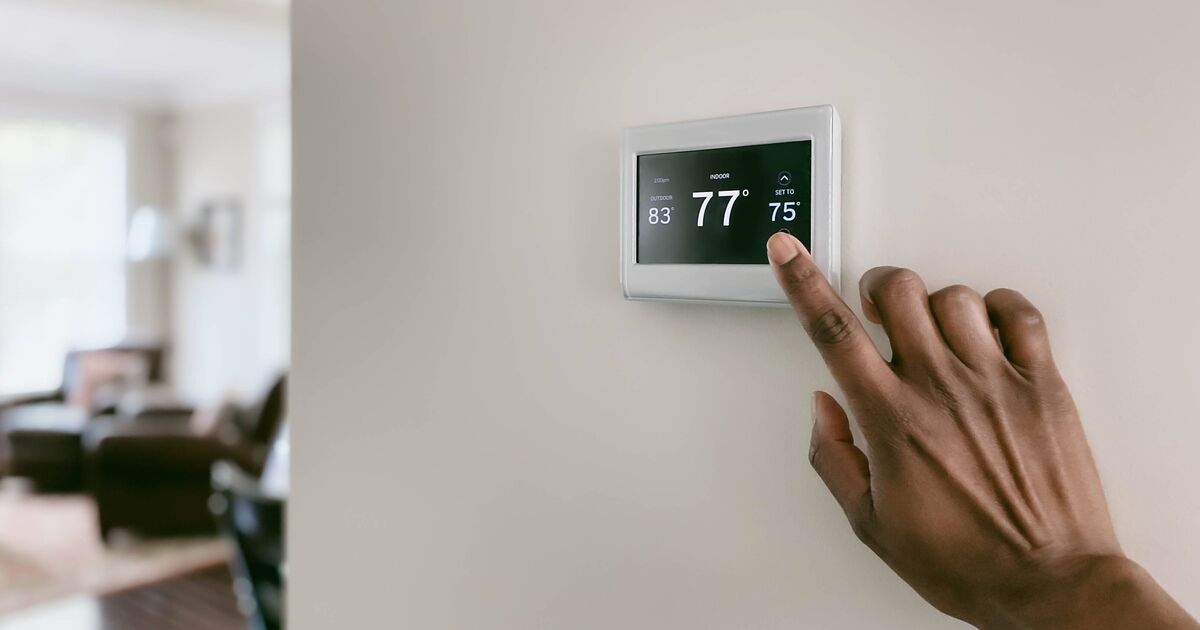
Whilst the urge to turn up the thermostat on particularly cold days is understandable, David suggests maintaining temperatures between 18 and 20C. Keeping your thermostat at a minimum of 18C helps maintain warmth in the pipes and prevents them from freezing.
Numerous contemporary central heating systems feature a “frost protection” setting, which maintains temperatures above freezing while consuming minimal energy.
Should you be away during winter or reducing heating usage, resist switching the heating off completely. When sleeping or whilst the property is unoccupied, it’s advisable to reduce the temperature to approximately 15 to 17C (59 to 63F).
This approach conserves energy whilst preventing the house from becoming excessively cold. Alternatively, programming regular heating cycles throughout the day ensures pipes stay warm and minimises freezing risks.
Locate the stopcock in case of leaks. The stopcock serves as your water supply’s shut-off valve; knowing its location is essential when dealing with a burst pipe to limit water damage.
Typically, it’s situated under the sink, but it could also be found in the bathroom, hallway, or basement. If you’re uncertain of its location, it’s wise to locate it now as a precautionary measure for emergencies. To halt the water flow when necessary, turn it clockwise.
Angela advised: “If cold weather causes a burst pipe, you need to know how to turn off your water supply quickly. So you’ll need to know where your stopcock is. It’s usually found under the kitchen sink.”
Prompt action can avert catastrophes, but if you’re dealing with an immediate problem, seek help from a 24-hour emergency plumber.