Google’s Veo now turns portrait images into vertical AI videos
Google is making its Veo 3.1 AI video model pay closer attention to the reference images you want generated clips to be based on. The company is releasing new visual improvements for the “Ingredients to Video” tool that was introduced last year, alongside expanding native vertical video support and resolution upscaling features.
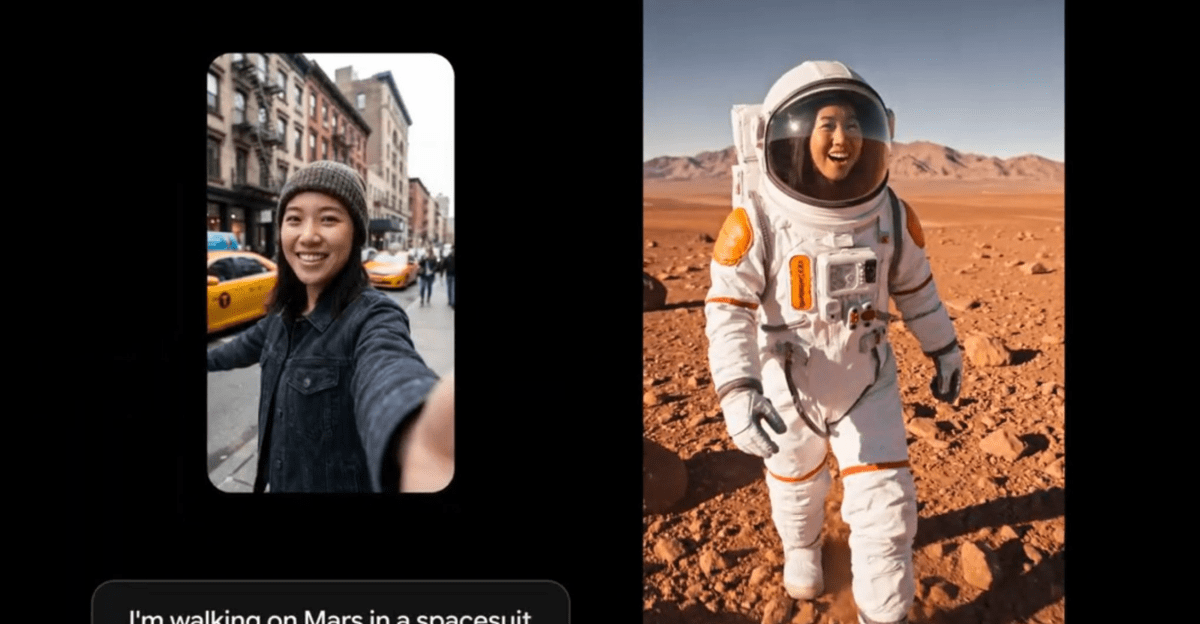
The Ingredients to Video tool allows Veo users to generate videos based on up to three reference images, pulling in materials like character subjects, backgrounds, and textures to have more control over how the results will look. Google says this update will make videos “more expressive and creative,” and provide “richer dialogue and storytelling.” There are also consistency improvements that should be more perceptible — Veo 3.1 should now ensure a character looks the same across different clips and environments, and will let users reuse objects, backgrounds, and textures across scenes.
Clips generated using Ingredients to Video will now also support vertical outputs. This follows Google giving developers the ability to generate vertical videos in Veo last year for text-based prompts without references. Users can select to output videos in a native 9:16 aspect ratio that’s ready to upload to platforms like TikTok and YouTube Shorts, instead of manually cropping the results in video editing software.
Google is adding Veo’s improved Ingredients to Video and portrait mode features to the Gemini app starting today, and integrating those tools into YouTube Shorts and the YouTube Create app “for the first time.”
Lastly, this update allows Veo 3.1 users to upscale their generated videos to a 4K resolution, up from the previous 1080p limit. Google says that 1080p video generation has also been improved to provide “a sharper, cleaner video.” This isn’t the native 4K resolution that Google claimed Veo was capable of generating back in 2024 — something we have yet to see in any version of Veo that’s launched to the public — but on-platform upscaling is better than nothing.