Gold and silver prices soar as WW3 tensions heighten | Personal Finance | Finance

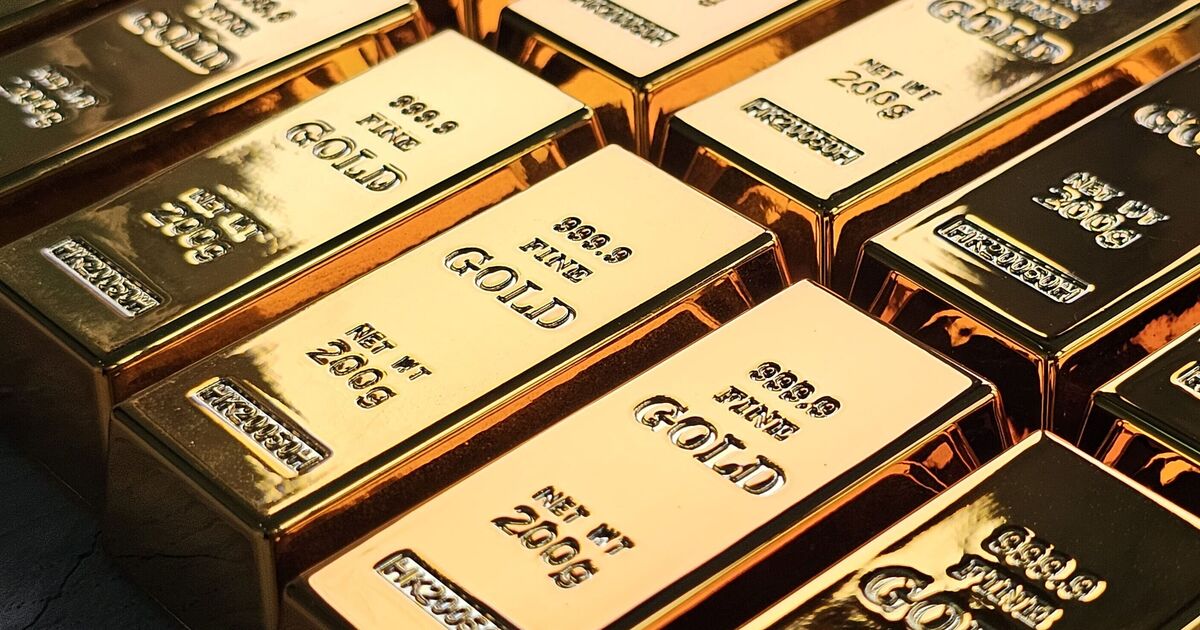
The price of gold his a record high on Wednesday (January 14) (Image: Getty)
The prices of gold and silver hit a record high as World War Three tensions heighten. It comes as the situation in Iran continues to escalate, with Donald Trump threatening US military intervention.
The price of gold hit records above $4,640 (£3,450) while silver hit $93 (£69) on Wednesday (January 14). These numbers mark a 4% and 16% increase in the precious metals this week, respectively. Meanwhile, both copper and tin also hit record highs, topping peaks of before the Covid-19 pandemic. Daniel Casali, chief investment strategist at wealth management firm Evelyn Partners, said: “Gold, silver and other precious metals like tin and copper are on a tear this week amid growing speculation that the US could intervene militarily in Iran. Gold has already risen 120% in dollar terms in two years and doesn’t look like stopping in the near future.
READ MORE: Anyone with a jewellery box urged to check it now
READ MORE: American Express announces new £600 bonus points offer
“This pretty much unprecedented boom across precious metal prices reflects at least one, and possibly both, of the two major forces that are shaping global markets this year: rapidly rising resource nationalism and the upcoming US midterm elections in November.”
Trump previously said the Republicans must win the 2026 congressional midterm elections or they face being impeached by the Democrats. The current geopolitical situation serves a domestic goal for the US President as he aims to keep energy prices and inflation low.
Mr Casali said: “A turnaround in economic fortunes would give Republicans a fighting chance to retain control of Congress, though history shows that incumbents from the ruling party tend to lose seats in midterms.
“A loss of the Republican majority in the House would cripple his legislative agenda and raise impeachment risks, effectively rendering him a lame-duck president for the remainder of his term. Against this backdrop, foreign policy and economic decisions are increasingly filtered through an electoral lens.”

Tensions are continuing to escalate in Iran (Image: Getty)
Mr Casali noted that geopolitical tensions have “escalated rapidly this year”, with Trump having voiced strong support this week for Iranian protestors challenging the governing regime in Tehran.
He said: “The dramatic US military capture of Venezuelan President Nicolás Maduro, the seizure of a Russian‑flagged oil tanker and even the suggestion of acquiring Greenland for its minerals, all show the extent that Trump is willing to go to secure strategic resources – even if that means breaking international norm.
“At the centre of these dynamics are China and the US, who are locked in a contest for raw materials that are vital to economic growth, technological supremacy and national security. For Trump, it is a delicate balancing act to keep energy prices low and voters satisfied ahead of November’s midterms.”
Trump has repeatedly threatened to intervene in support of protesters in Iran. According to the US-based NGO Human Rights Activists News Agency, over 2,600 people have been killed as a result of the regime’s bloody response to the unrest.
It was reported by NBC that hundreds of US troops are being moved from Qatar’s al Udeid Air Base to other bases in the Middle East. The decision was made in case Iran decides to retaliate against an American attack.

Trump has threatened military intervention in Iran (Image: Getty)
Meanwhile, Iranian state TV aired a threat to kill Donald Trump in an escalation of WW3 fears. On Wednesday, they broadcast a picture of the commander-in-chief during the 2024 Butler, Pennsylvania, rally assassination attempt, with the words: “This time it will not miss the target.”
Mr Casali advised investors to expect “heightened financial and currency market volatility”.
He added: “At the same time, gold stands out as an all-weather hedge, offering protection against geopolitical shocks, threats to central bank independence, and ballooning public debt in the West. With fiscal pressures mounting and political incentives to spend, gold’s role as a store of value is more relevant than ever.”