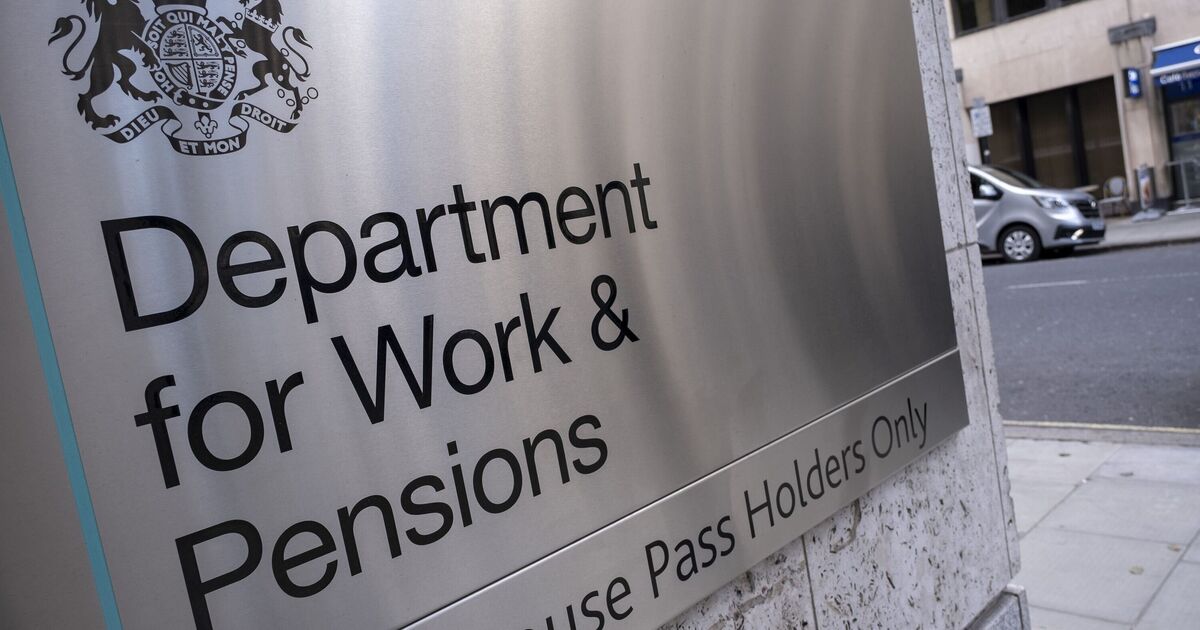
DWP confirms benefit rates 2026 – full list with State Pension, Universal Credit and PIP | Personal Finance | Finance
The Government has published the uprated proposals for benefits set to be paid from April 2026. This includes the State Pension, Universal Credit and PIP, as well as other key benefits like Attendance Allowance.
Most benefits from April 2026 to 2027 will increase by 3.8%, in line with the CPI rate of inflation, which will see payments like Attendance Allowance increase by up to £4, and Carer’s Allowance increase by around £3. However, benefits such as Universal Credit are increasing at a rate higher than the CPI. The Department for Work and Pensions (DWP) confirmed the benefit cap will not increase from April 2026 to 2027. The Express has compiled a list of the proposed amounts for some of the most common benefits.
Attendance Allowance
Attendance Allowance helps people of state pension age (currently 66) and over with extra costs if they have a disability or a severe health condition that requires someone to help look after them. The higher rate of the benefit will increase to £114.60 per week for people who need help day and night, up from £110.40.
The lower rate of pay will increase from £73.90 to £76.70 per week for those who need help during either the day or night.
Carer’s Allowance
Currently, Carer’s Allowance pays £83.30 per week if you care for someone for at least 35 hours a week and they receive certain benefits. The proposed weekly payment for April 2026 onwards is £86.45.
Pension Credit
Pension Credit aims to top up low-income Britons’ State Pension to give them a more reasonable standard of living. Claiming Pension Credit can also unlock access to help with housing costs such as ground rent or service charges, as well as a free TV licence and council tax reduction.
Personal Independence Payment (PIP)
Personal Independence Payment (PIP) is paid to help people under State Pension age with extra living costs if they have either a long-term physical or mental health condition, a disability, or difficulty performing certain everyday tasks or getting around due to the condition.
The daily living component will rise to £114.60 per week for the enhanced rate, and £76.70 for the standard rate. The mobility component will rise to £80 per week for the higher rate, and £30.30 for the lower rate, up from £77.05 and £29.20, respectively.
Those on the ‘Old State Pension’ will receive slightly different amounts. Their weekly payments will rise to £184.90 if they have a category A or B basic pension. Those on a ‘lower’ basic pension, or category C or D pension, will receive £110.75.
Universal Credit
Universal Credit is paid monthly to help people with living costs if they are on a low income or out of work.
- Single people under the age of 25 will receive £338.58 per month from April, and those aged 25 or older will receive £424.90, an increase of nearly £86.32.
- Couples who are both younger than 25 will receive £528.34, while couples with one or more person aged 25 or over will receive £666.97 per month.
- Child benefits have also increased. Parents or guardians will receive £351.88 for their first child born prior to April 6, 2017. They will receive £303.94 for a first child born after this date, or for eligible subsequent children.
For the full list of the DWP‘s proposed benefit rates for April 2026 to 2027, you can head to the Government website.