Treasury senior minister update over ‘significant’ change for drivers | Personal Finance | Finance

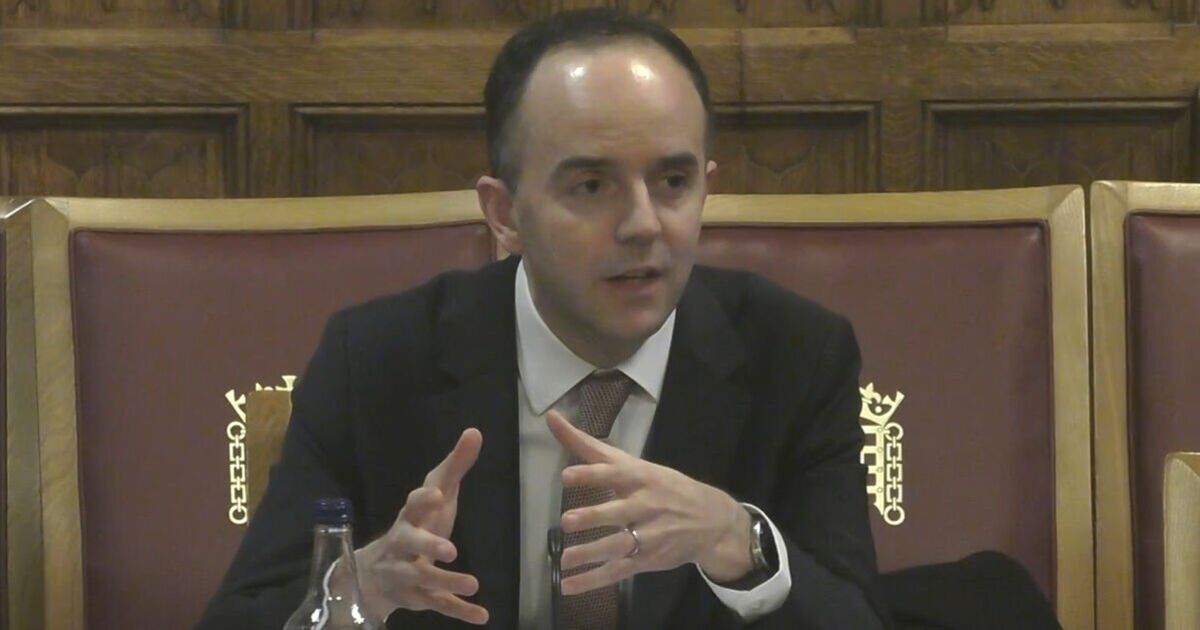
Treasury minister James Murray spoke to the Economic Affairs Committee (Image: Parliament TV)
The Government has issued an update about important changes to taxes for drivers. Motorists have to pay vehicle excise duty (VED), also known as car tax, with the amount your pay varying on your type of vehicle.
In a major change from April 2025, the tax was expanded to include electric vehicles, with a new e-VED levy brought in. For electric vehicles registered between April 2017 and March 2025, you had to pay the standard £195 rate.
For new electric vehicles, there is a reduced rate of £10 for the first year, rising to the standard £195 from the second year. Chief Secretary to the Treasury, James Murray, recently spoke to a House of Lords Committee about the changes.
He was speaking to the Economic Affairs Committee about how the Government’s policies are helping ensure its finances are stable going forward, such as efforts to increase tax revenues. Mr Murray said that introducing the new e-VED levy was important as the OBR (Office for Budget Responsibility) has previously issued warnings about the declining tax take from fuel duty.
Read more: HMRC statement over tax code changes for state pensioners
Read more: DWP explains Universal Credit change and how it will apply to ‘all benefits’
Mr Murray said: “It is an important long-term change. The actual impact of introducing e-VED within the scorecard in the coming years is significant, but the really significant achievement of introducing that is the long-term sustainability. There are things that should be on the scorecard that are worth looking at too.”
Mr Murray spoke later in the meeting about how introducing the e-VED would help keep Government tax receipts stable. He said: “I mentioned the e-VED, the electric vehicles charge instead of fuel duty, because fuel duty does not apply to electric vehicles.
“That is something that the fiscal risk and sustainability report [from the OBR] has highlighted in the past. That report highlighted the long-term decline in fuel duty, stating it was the single largest component of the fiscal cost of net zero across both tax and spending.
“The report really drew attention to the challenge of fuel duty receipts being in decline. Obviously, we see that as being important as well, so taking the decision around e-VED for electric vehicles is our way of responding to that risk to sustainability by making it sustainable in the long run.”
More tax increases are on the way for drivers in a bid to boost Government revenues. As announced in the Autumn Budget 2025, the threshold for the VED expensive car supplement for zero emission cars will go up from April 2026, from £40,000 to £50,000.
The increased threshold will apply retrospectively, meaning most vehicles registered from April 2025 will not have to pay the charge. A new pay-per-mile tax will also be brought in for electric cars from April 2028, of 3p per mile for electric cars and 1.5p per mile for hybrid cars.
Electric vans, trucks, motorcycles, and buses will initially be exempt from the new charge. The fuel duty freeze has been extended to September 2026, after which the temporary 5p cut in the rate will be scrapped.
Fuel duty rates will then rise with inflation. A Government document explains: “The Government has committed to a staggered reversal of the 5p cut between September and December 2026, and to increase fuel duty rates by Retail Price Index inflation from April 2027.”