I’m a TSB expert – how to avoid 95-day spell costing Brits £7,500 each | Personal Finance | Finance

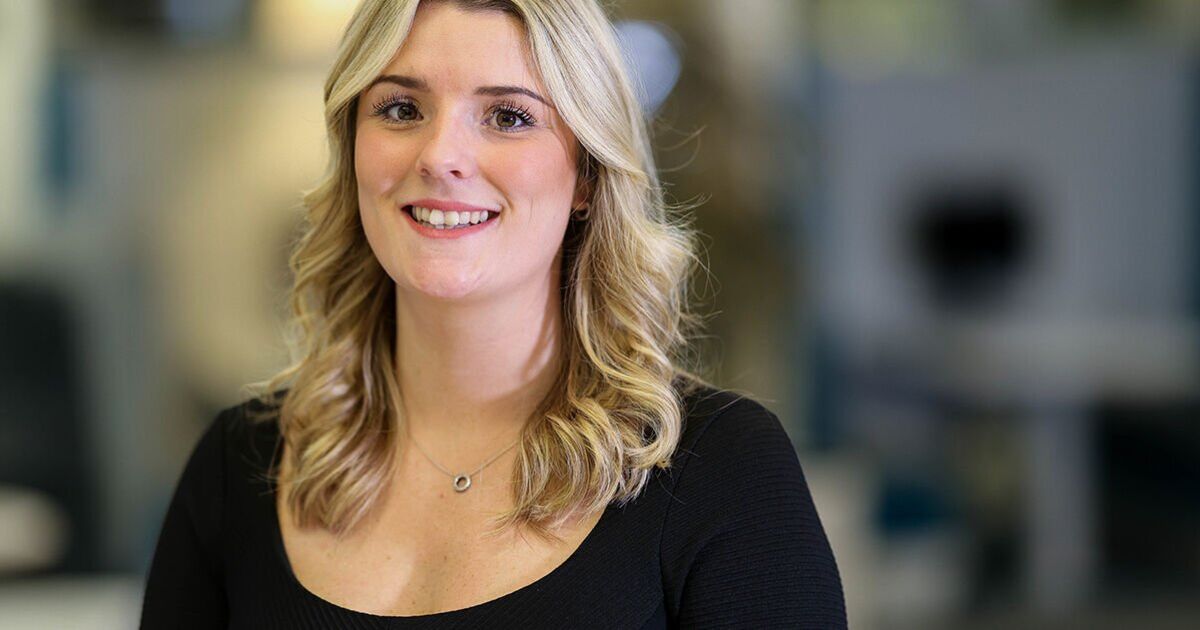
TSB’s fraud expert Steph Harrison shares tips to avoid romance scammers (Image: TSB)
Ahead of Valentine’s Day, it’s vital we also spread the word about the darker side of romance – Romance fraud. Sadly, UK-wide figures show that £20 million was lost to cruel romance scammers in the first half of last year alone, an increase of 35%. With the boom of online dating, scammers set up fake profiles to try and lure people in, making it vital to stay guarded when online. Don’t give personal information away to someone you haven’t yet met – and certainly don’t send money.
We know that scammers typically spend months grooming victims and building rapport and trust – all while promising to meet in person one day. Look out for stories that account for their absence – such as claims they are serving in the army, living abroad, or working on an oil rig – as telltale signs it’s actually a fraudster you are speaking to.
READ MORE: Rogue trader conned pensioners for £1000s then left water gushing into homes
READ MORE: TSB warns Brits of rise in ‘devastating’ fraud tactic costing victims £7,500
If the conversation turns to money, it’s time to stop. Alarm bells should be ringing if you get a request for money. And these are typically requests to pay for medical bills, emergency funds, and payment for travel so they can meet in person, although they never will.
In some cases, they’ll even use photos or content you sent them to blackmail you into making a payment to them; otherwise, they’ll share the content publicly.
We found the average loss per case is £7,500, and people typically make around 11 payments to fraudsters posing as online suitors, before reporting the scam.
On average, the time between the first and last payment is 95 days, although we have supported cases in which payments have been made over a 42-month period, which really shows the spell that fraudsters can cast with their emotive and convincing approach.
Even if a profile picture looks realistic, be suspicious. With AI, fraudsters can be even more convincing with authentic-looking images. So even if it looks genuine, be wary until you’ve met someone in person.
Discussing relationships can be embarrassing, but it can make all the difference when it comes to fraud. If possible, discuss who you are talking with online with trusted friends or family who may be able to help you spot holes in someone’s story.
And equally, do gently check in with family or friends who are looking to date online, to see if there are any red flags – your support and care could save a lot of emotional and financial pain.
Finally, take your time and don’t rush in with people you’ve not yet met.
While online dating sites and social media platforms are increasingly helpful for people seeking new relationships, they are also rife with romance fraudsters – and you just don’t know who you are talking to until you can verify them in person. No matter how good the individual sounds online, it could all be false.