Households can get £252 HMRC tax-free handout every April | Personal Finance | Finance

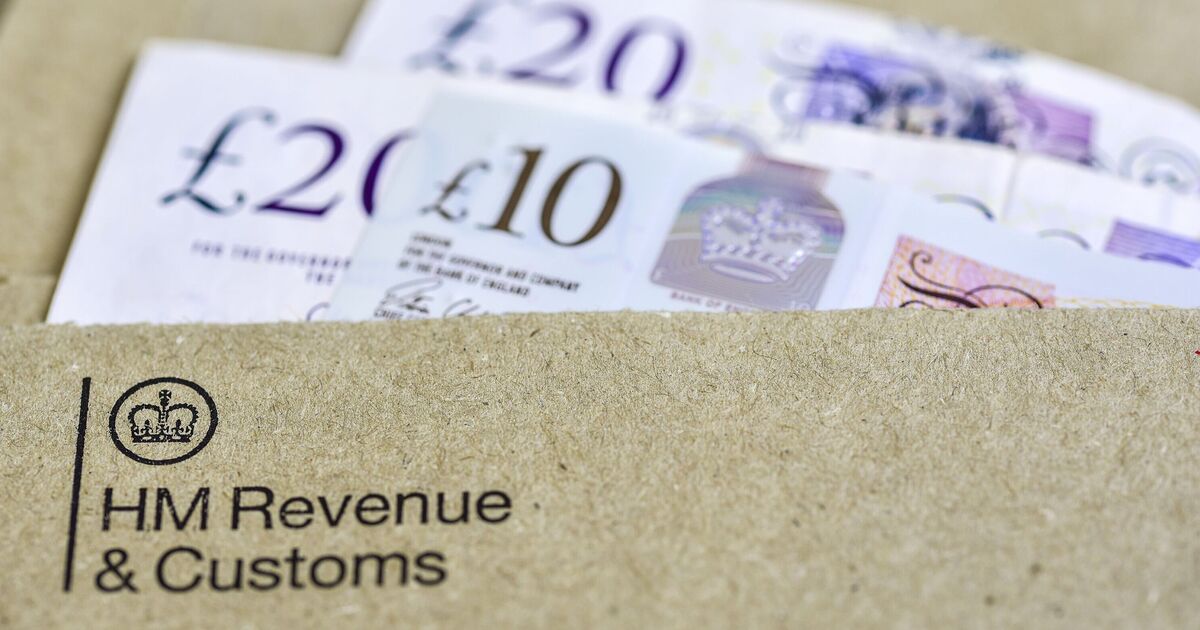
Marriage Allowance allows you to transfer £1,260 of your Personal Allowance to your partner (Image: Getty)
Married couples across the UK can apply for an allowance from HM Revenue and Customs (HMRC) that can cut their tax bill by up to £252 per tax year.
Eligible married couples can claim Marriage Allowance which allows you to transfer £1,260 of your Personal Allowance to your husband, wife or civil partner, reducing their tax by up to £252 in the tax year which runs from April 6 to the following April 5. To benefit as a couple, the lower earner must normally have an income below the Personal Allowance threshold, which is usually £12,570. By transferring £1,260 of your Personal Allowance to your partner, this reduces your Personal Allowance to £11,310 and gives your partner a £1,260 increase on their tax-free income. This means they would have paid £252 in tax on that £1,260 (20%), but they get to earn that £1,260 tax-free instead, saving £252.
When you transfer some of your Personal Allowance to your partner, it may mean paying more tax yourself but overall, you could still pay less as a couple.
Read More: HMRC says boost State Pension payments with £26 a week claim
Read More: Households paid to take bottles back to Tesco, Asda, Morrisons and Sainsbury’s
As an example, HMRC explains: “Your income is £11,500 and your Personal Allowance is £12,570, so you do not pay tax. Your partner’s income is £20,000 and their Personal Allowance is £12,570, so they pay tax on £7,430 (their ‘taxable income’). This means as a couple you are paying Income Tax on £7,430.
“When you claim Marriage Allowance you transfer £1,260 of your Personal Allowance to your partner. Your Personal Allowance becomes £11,310 and your partner gets a reduction of £1,260 on their taxable income.
“This means you will now pay tax on £190, but your partner will only pay tax on £6,170. As a couple you benefit, as you are only paying Income Tax on £6,360 rather than £7,430, which saves you £214 in tax.”
To be eligible for Marriage Allowance, you must be married or in a civil partnership, not pay Income Tax, or your income is below your Personal Allowance (usually £12,570), and your partner pays Income Tax at the basic rate. This means their income is usually between £12,571 and £50,270 before they receive Marriage Allowance.
You can’t claim Marriage Allowance if you’re living together but you’re not married or in a civil partnership. If you live in Scotland, your partner must pay the starter, basic or intermediate rate, which usually means their income is between £12,571 and £43,662. You also can’t get Marriage Allowance and Married Couple’s Allowance at the same time.
*** Ensure our latest personal finance headlines always appear at the top of your Google Search by making us a Preferred Source. Click here to activate or add us as Preferred Source in your Google search settings. ***
Claims can be backdated to April 6, 2021 for any years you were eligible for Marriage Allowance and your partner’s tax bill will be reduced depending on the Personal Allowance rate for the years you’re backdating.
Once you’ve made a claim, your Personal Allowance will automatically transfer to your partner every year until you cancel Marriage Allowance, such as if your income changes or your relationship ends.
You and your partner will get new tax codes that reflect the transferred allowance, ending with ‘M’ if you are receiving the allowance, or ‘N’ if you are transferring the allowance. Your tax code will also change if you’re employed or get a pension.