Rachel Reeves handed lifeline as inflation drops | Personal Finance | Finance

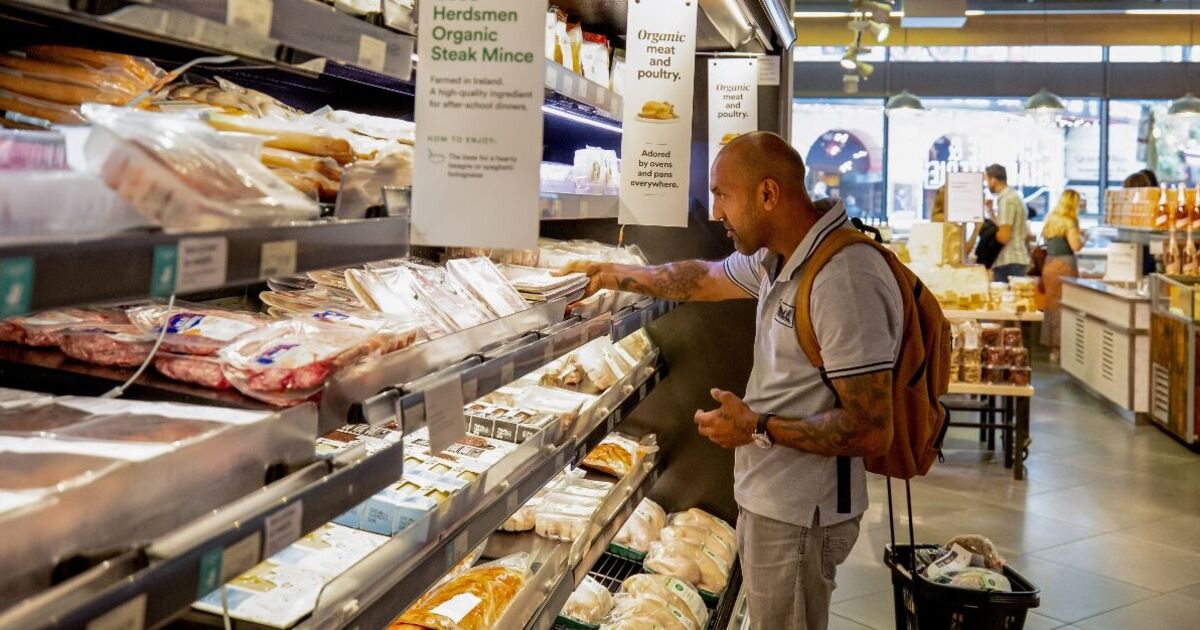
Most economists had forecast inflation would fall back sharply (Image: Getty)
Inflation has fallen back to 3% in a boost to hopes of an interest rate cut. Most economists were forecasting Office for National Statistics (ONS) data to show Consumer Prices Index (CPI) inflation fell back sharply to 3% in January from 3.4% in December. The figure released on Wednesday (February 18) is likely to reinforce expectations of another interest rate cut from the Bank of England, possibly as soon as next month.
ONS Chief Economist Grant Fitzner said: “Inflation fell markedly in January to its lowest annual rate since March last year, driven partly by a decrease in petrol prices. Airfares were another downward driver this month with prices dropping back following the increase in December. Lower food prices also helped push the rate down, particularly for bread and cereals and meat. These were partially offset by the cost of hotel stays and takeaways.”
READ MORE: Rachel Reeves’s key job changes branded ‘silent killer’ as UK joblessness soars
READ MORE: Heartbreak for UK seaside town as local firm collapses into administration
Mr Fitzner added that the cost of raw materials for businesses also fell over the past year, driven by lower crude oil prices, while the increase in the cost of goods leaving factories slowed.
Chancellor Rachel Reeves said: “Cutting the cost of living is my number one priority. Thanks to the choices we made at the Budget we are bringing inflation down, with £150 off energy bills, a freeze in rail fares for the first time in 30 years and prescription fees frozen again.
“Our economic plan is the right one, to cut the cost of living, cut the national debt, and create the conditions for growth and investment in every part of the country.”
While the fall to 3% was in line with market expectations, it was a percentage point higher than Threadneedle Street’s 2.9% prediction. The Bank is forecasting that inflation will fall to its 2% target by the middle of the year.
The ONS figures show core inflation, which excludes more volatile things such as food and energy, dropped to 3.1% in January, the lowest level since August 2021. Trading Economics said this suggested underlying price pressures are “gradually moderating”.
Ensure our latest personal finance headlines always appear at the top of your Google Search by making us a Preferred Source. Click here to activate or add us as Preferred Source in your Google search settings.
Simon French, Chief Economist at Panmure Liberum, said that the door is now open for interest rate cuts.
He told the BBC the market is pricing an 80% chance of a rate cut from members of the Bank’s Monetary Policy Committee in March. The Bank’s Base Rate is currently 3.75%. The next rates decision is due on March 19.
The economist said decisions taken by the Chancellor in last November’s Budget would put 0.4% downward pressure on inflation this year.
But he said the reason the UK has seen a slower interest rate cutting cycle compared with the Eurozone is because the Chancellor raised employer National Insurance contributions in her maiden budget, which he said was inflationary.
Nicolas Crittenden, Associate Economist at the National Institute of Economic and Social Research, said the think tank predicts inflation will hit the BoE’s 2% target by the second quarter of 2026.
He added: “A large decrease in April is expected due to more stable resets to government administered prices – such as the energy price cap – compared to last year.
Our community members are treated to special offers, promotions, and adverts from us and our partners. You can check out at any time. Read our Privacy Policy
“Today’s figures mean the Bank of England will likely cut Bank Rate in the Spring. We expect a further cut later this year as inflation dissipates and unemployment continues to climb gradually.”
The inflation figures come in a busy week for official UK economic statistics, with data for government borrowing and retail figures due on Friday.
Official figures released on Tuesday showed wage growth fell back once again to is lowest level for almost four years, to 4.2% in the three months to December. The fall also boosted the argument for an interest rate reduction.
But Bank of England chief economist Huw Pill said at a Santander event last Friday that he thought rates were already “a little bit too low”, suggesting he would not be among those voting for a reduction next month.
Mr Pill voted as part of the 5-4 majority on the Bank’s Monetary Policy Committee to keep interest rates on hold at 3.75% earlier this month.