Cat owners told common action doesn’t mean your pet is happy

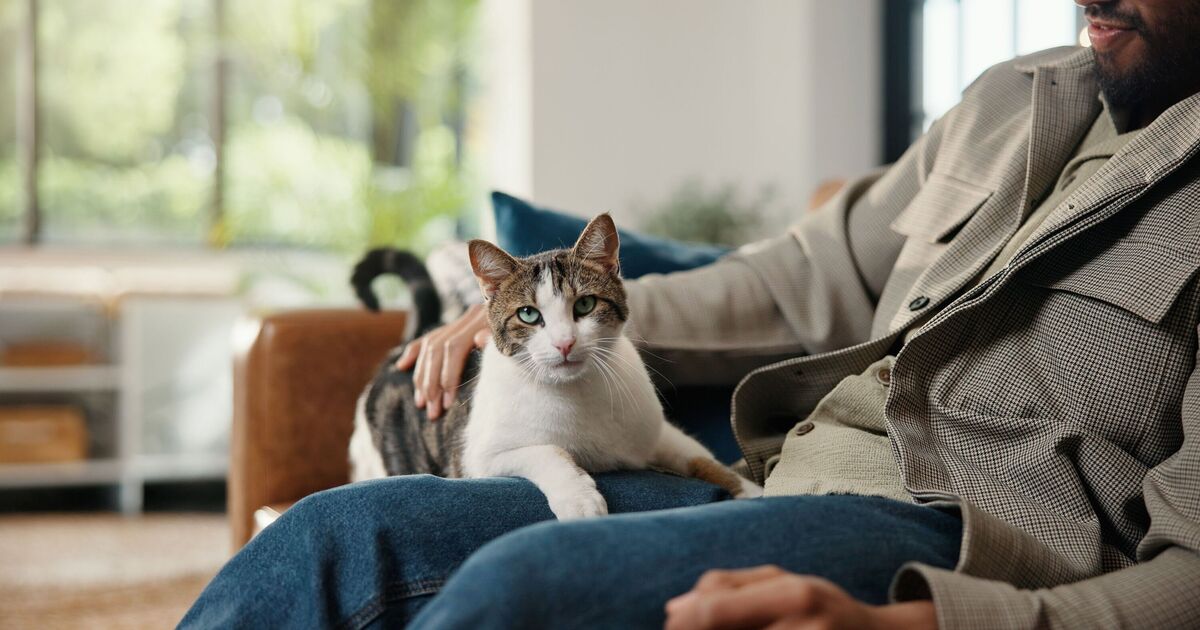
You could be misreading your cat’s behaviour (stock photo) (Image: Getty)
We all wish we knew what our cats were thinking. You can usually make an educated guess about whether your feline friend is hungry, whether they want to be cuddled, or if they want to be left well alone. But since none of us actually speaks cat, we can’t know for certain what they mean when they meow at us.
Beyond meows, cats and other pets also have non-verbal signals that we have to try and decipher. What does it mean when they wag their tails? Are they happy or angry when they arch their backs? And what is the meaning behind each different position they can put their ears into?
According to one cat behaviourist on social media, most pet owners actually make a big mistake when it comes to reading one common part of their cat’s behaviour.
Liz Marden, an accredited animal behaviourist with over 15 years of experience, claimed there’s one thing we all get wrong, specifically when looking at our cats and how they purr.
Purring is often seen as a sign of happiness and contentment in cats, but Liz insisted this isn’t always the case.
She said: “Cats actually purr for a number of reasons. Yes, one of them is because they are happy and content. However, it has to be context-specific. We don’t want to focus on just one aspect, like the purring, in order to tell us how our cats are feeling.”
Liz went on to say that cats can purr in situations where they’re not happy, including when they’re feeling stressed and even when they’re injured – as purring can help their bodies heal.
She added: “Cats can also purr as a self-soothing method when they are feeling stressed and anxious. And they can purr when they are injured or sick.
“The frequency of a purr can actually help with the body’s natural healing systems, especially with things like muscles, tendons, and ligaments. So cats that are injured will purr to help boost their body’s natural healing.”
It can be difficult to tell if your cat is in pain, but subtle changes in their behaviour, such as meowing or purring, as well as a change in their activity levels, posture changes, or excessive licking and grooming, might be a sign that something is wrong.
Commenters on Liz’s TikTok video were thankful for the information – as many admitted they had no idea that cats could purr in situations where they’re not content.
One person said: “Learned this when my cat got attacked and she nonstop purred for hours. Vet said they do it to calm themselves down! I was floored!”
Another wrote: “The vet told me this after I got my cat spayed, and she was purring.”
Meanwhile, a third added: “First time I realised this was when i helped a cat give birth she had a really bad time but she was purring! So I did a little research and learned cats also purr when in pain.”
What to do if you think your cat is in pain
If you think your cat might be injured or sick, you should get them evaluated by a vet as soon as possible. Never try to treat your cat with pain medications meant for humans, as they metabolise medication differently and can die from ingesting some common medications for people.
Your vet may prescribe pain medications meant for cats, or they could try joint supplements if your cat is experiencing something like arthritis. Always seek help from a professional at the first sign of anything that might be wrong with your pet.
Some signs of pain in cats to look out for include:
- A change in activity level, including becoming more sluggish or more frantic
- Excessive licking or biting in one area
- Meowing or purring
- A change in appetite or litter box use
- A change to their posture
- Increased aggression
- Facial expressions including a vacant stare or “glazed” expression
For more information, visit the PetMD website.