Pensioners’ tax alert: The £22 ‘cliff edge’ forcing millions to pay HMRC for first time | Personal Finance | Finance

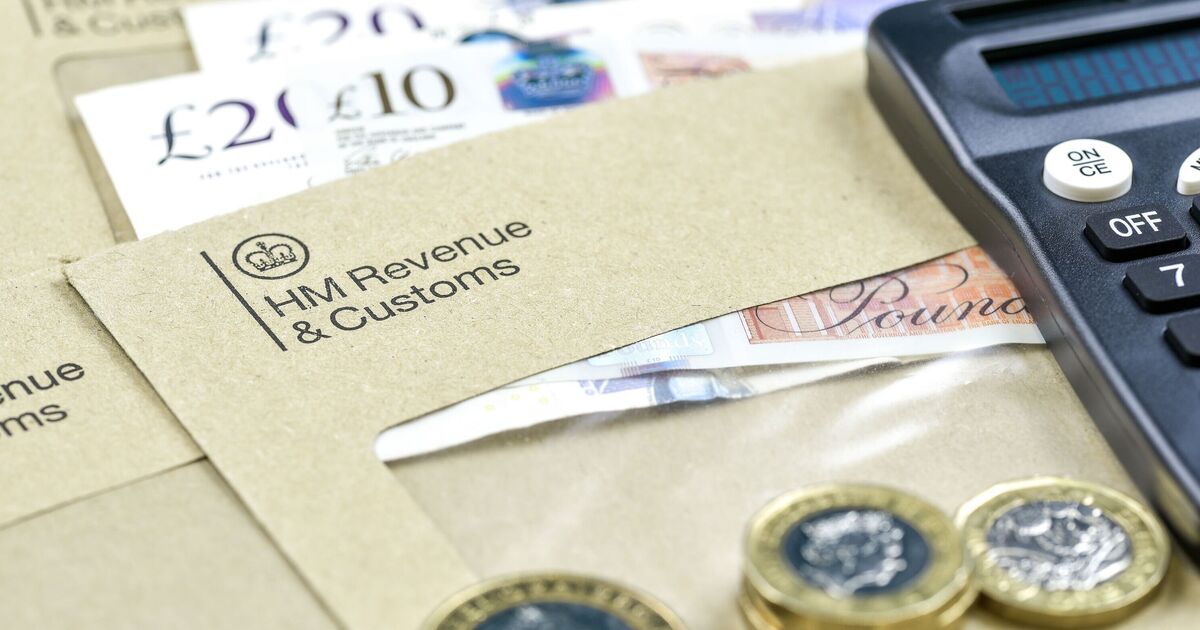
The full new State Pension will increase above the Personal Allowance threshold in April 2027 (Image: Getty)
More state pensioners will soon start paying tax on their State Pension as rising rates may take them over the Personal Allowance threshold for the first time.
The government increases the State Pension rates at the start of every new tax year and the amount is determined by whichever is the highest out of three factors – known as the ‘triple lock’. These are the consumer price index (CPI) measure of inflation (measured for September in the previous year), average wage growth between May and July of the previous year, or 2.5%. For the 2026/27 tax year, State Pension rates will rise by 4.8% in line with average growth, as this was the highest out of the triple lock factors, and this will move millions of pensioners closer to the frozen Personal Allowance.
The Personal Allowance is the amount of income you don’t have to pay tax on and it has been frozen at £12,570 since April 2021. Following the 4.8% State Pension increase this April, this will take someone on the full new State Pension rate up to a maximum of £12,547.60 per year – just a mere £22 under the Personal Allowance threshold.
Read More: Sky hits TV and broadband customers with £36 price rise
Read More: State pensioners urged to boost income with £86 a week DWP claim
The government has frozen the Personal Allowance at £12,570 until 2031 but the State Pension will continue to rise under the triple lock, meaning the rates are rapidly closing the gap on the tax-free buffer.
With the government committing to the triple lock for the duration of this Parliament, it means the State Pension must rise by at least 2.5% each year which would mean that from April 2027, the full new State Pension will increase above the Personal Allowance of £12,570.
As State Pension income is taxable, it means many pensioners would be pushed above the current £22 ‘cliff edge’ and start owing tax to HMRC as their income rises above the Personal Allowance threshold for the first time, particularly those on the new State Pension with a full National Insurance record.
Small tax sums would normally be collected by the Simple Assessment process where HMRC does all the calculations and sends pensioners a tax demand at the end of the year.
But Chancellor Rachel Reeves confirmed to Martin Lewis earlier this year that anyone relying solely on their State Pension as their only source of income will not have to pay tax on it once it breaches the Personal Allowance threshold.
Speaking on ITV’s The Martin Lewis Money Show Live in November last year, Ms Reeves said: “So if you just have a State Pension, you don’t have any other pension, we are not going to make you fill in a tax return.”
“Martin: “Of any type?” Ms Reeves: “Yes. And so I make that commitment for this Parliament. You’re right, 2027 looks like the time that it will cross over. We are working on a solution, as we speak, to ensure that we’re not going after tiny amounts of money.”
Asked to clarify if people will have to pay the tax, or simply not fill out a tax return, Ms Reeves added: “In this Parliament, they won’t have to pay the tax.”
*** Ensure our latest personal finance headlines always appear at the top of your Google Search by making us a Preferred Source. Click here to activate or add us as Preferred Source in your Google search settings. ***
But the plans have called into question the fairness of the system as it risks treating pensioners on the new system more favourably.
LCP partner Steve Webb said: “Millions of pensioners already get state pensions above the tax threshold and nothing has so far been done for them. So there is a real risk that pensioners on the new system will be more favourably treated.
“The new scheme also risks penalising people with small private pensions who will not be protected compared with those who have no private pension who will be protected. This penalises those who have saved, even modest amounts. And the new rules will mean that a pensioner just above the tax threshold will pay no tax whilst an employee on exactly the same income will pay both tax and NICs which seems unfair.
“There is no costing for this policy in the Budget documents which suggests that it is still very much an idea rather than a firm plan. But it will be incredibly difficult for the Treasury to come up with something that is workable and fair.”