Martin Lewis gives £10,000 pensions cash ‘tax trap’ £700 warning | Personal Finance | Finance
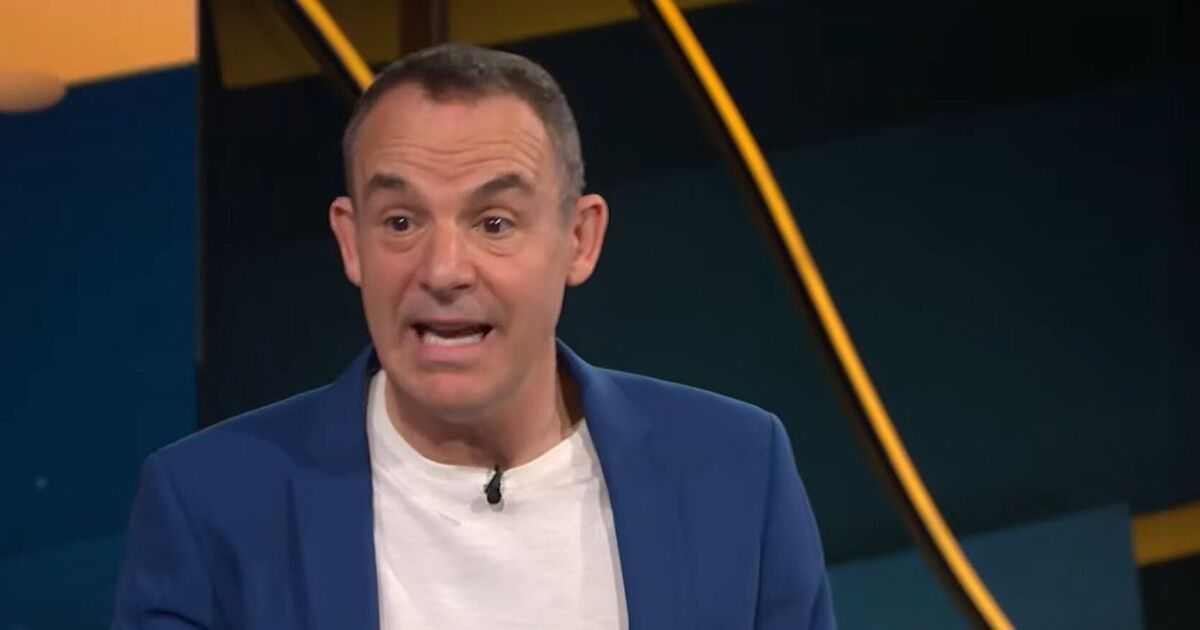
Martin Lewis has explained a ‘massive tax trap’ which could hit anyone with a pension. The tip was highlighted today by his Money Saving Expert site which published a video showing the personal finance expert on his show previously.
He illustrated the potential problem with a £10,000 example and explained if you do it wrong you will actually pay £150 or £300 of it straight to the government instead of getting it yourself – with it rising proportionally depending on how much is taken out.
Currently people can access money from their pension from the age of 55 – although this is generally advised against doing this too early as it could impact on how much pensions people have to live on later. Mr Lewis explained: “Taking money out of your pension. Now you can just leave money in your pension you can leave it invested or you can take it out anytime after your age 55 although that’s going to be 57 from April 2028. If you do this it can reduce what you can put in later once you take the income.
“Now 25% of the money that you take out is tax-free the rest is taxed at your marginal rate. It means if you’re a basic rate taxpayer of course there’s always a bit you don’t pay tax on you personal allowance it’s 20% if you’re high rate tax per it’s 40% that’s what you’re going to be taxed on.
But how you take it out is a taxing question now I’ve often used a Swiss roll as an analogy we decided on an upgrade this year and we’ve gone for a chocolate Swiss roll.
“So if you just take money out of your pension when you need it out of the pension fund each slice of pension you take is kept integral so if you take £10,000 out of your pension front £2,500 of that will be taxfree and the remaining £7,500 of it the sponge isn’t the jam you will pay tax on at your marginal rate that tax year.”
So he explained that if people use this method they’re paying a chunk of their accrued pension in tax: “So you can’t just take it all out tax free you know only a quarter of it is tax free for each slice but there is an alternative way of doing it. If you take 25% out and put the rest in an income draw down or annuity you can choose to just take the jam you can choose to just take 25% tax free and leave the rest in an annuity or an income draw down so that it is taxed at the point you access that amount of money
“So why is this important? If you just take it out imagine that right now you’re a higher 40% rate taxpayer and at a later date once you retire you’re not going to have as much income you’d be a 20% rate taxpayer so you take your 10 grand out right no your £7,500 of it is taxed at 40% but if you could wait with it it’d be taxed at 0% so less tax would be paid but if you do it this way you can take all the tax free all the jam all the sugary sweet lovely bit out now and you can wait until later on when your income drops down and you’re not as high a rate taxpayer to take the rest out so that you would only be paying tax at 20 not 40%
“The same would work if you’re dropping from 20 to a non-taxpayer or higher so the advantage of doing it this way is especially strong for those people who may pay tax income tax at a lower rate later on because they have less income and you can see why I’m saying you get this wrong this could be thousands or tens of thousands of pounds difference that you’re unnecessarily paying so please get guidance on that.”
Citizens advice says people might be able to get your pension sooner if they’re retiring due to ill health. However it emphasises people should get financial advice before making decisions about personal or workplace pensions.
Take cash lump sums
You can take your whole pension pot as cash straight away if you want to, no matter what size it is. You can also take smaller sums as cash whenever you need to.
25% of your total pension pot will be tax-free. You’ll pay tax on the rest as if it were income.
Example: Your pot is £60,000. If you take the whole pot at once, you’ll get £15,000 (25% of £60,000) tax-free. The remaining £45,000 will be treated as income, so you’ll pay income tax on it.
If you take smaller sums of money at different times, 25% of each sum is tax free.
Example: Your pot is £60,000. If you take £1,000 out as cash every month. £250 (25% of £1,000) will tax-free every time. The remaining £750 will be taxable each time.
Any taxable money you take from your pension will be added to your other income for that year and taxed at the relevant income tax band. This may take you into a higher tax bracket than normal.
Buy an annuity
You can use your pension pot to buy an annuity from an insurance company.
An annuity is an annual income that will be paid to you for the rest of your life.
You can take some of your pension fund as a tax-free cash sum and buy an annuity with the rest.
There are many types of annuity available to buy – you should shop around to find the best one that suits you.
Check guidance on buying an annuity on MoneyHelper.
You can’t usually change your mind once you’ve bought an annuity.
Income drawdown
Income drawdown lets you take an income from your pension pot, while the rest is left invested. You should check with your pension provider to see if they offer income drawdown – some won’t offer it.
There are no restrictions on the amount you can take using income drawdown.
You can still take 25% of your pension pot as a tax-free lump sum.
For more help from Citizens Advice on pensions click here.