U.S.-Iran deal is “within our reach,” Omani mediator says
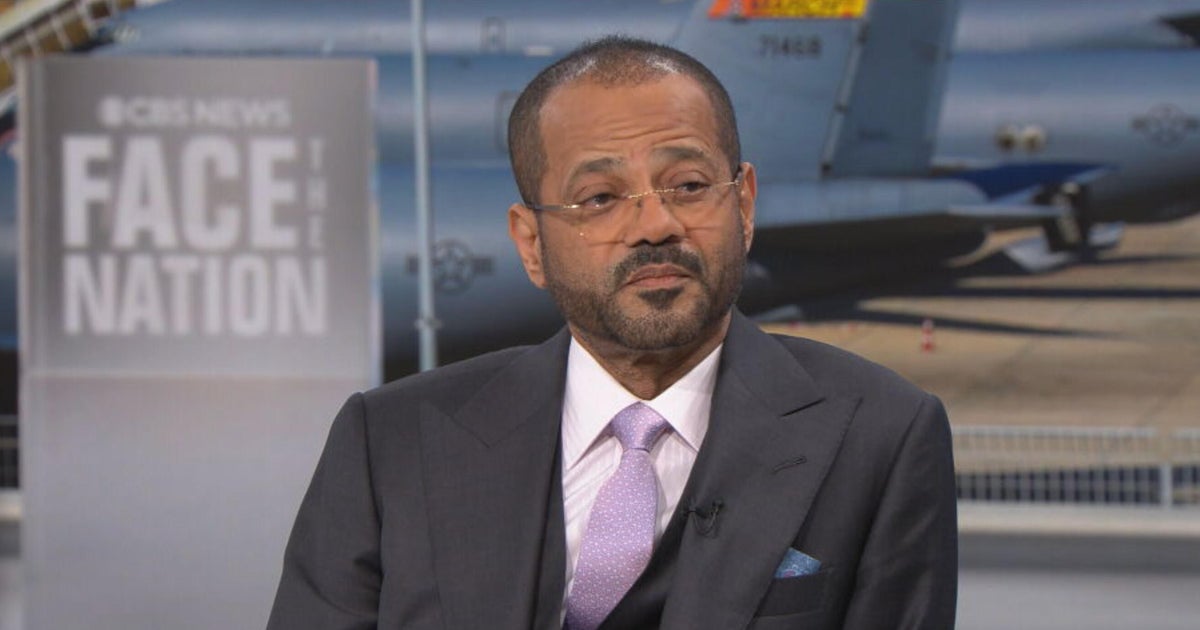
Negotiators from the U.S. and Iran have made “substantial progress” toward a deal to curb Iran’s nuclear program, Omani Foreign Minister Badr Albusaidi told CBS News on Friday, as President Trump considers strikes on Iran.
Albusaidi — who has mediated several rounds of U.S.-Iran talks over the last month — told “Face the Nation” moderator Margaret Brennan that a “peace deal is within our reach.”
He said Iran has agreed that it will “never, ever have … nuclear material that will create a bomb,” which he called a “big achievement.” The country’s existing stockpiles of enriched uranium would be “blended to the lowest level possible” and “converted into fuel, and that fuel will be irreversible,” according to Albusaidi.
And Iran is willing to grant inspectors from the U.N.’s International Atomic Energy Agency “full access” to its nuclear sites in order to verify the terms of the deal, said Albusaidi.
“There would be zero accumulation, zero stockpiling, and full verification,” he said. Albusaidi said that if there is a fair and endurable deal in place, he is “quite confident” that even American inspectors will have access at some point in the process.
Asked if he believes enough progress has been made to avert U.S. strikes on Iran, Albusaidi responded: “I hope so.” But he said “we need a little bit more time” to iron out some details. Technical talks are scheduled for Monday in Vienna, and Albusaidi said he hopes that he can meet with U.S. negotiators Steve Witkoff and Jared Kushner a few days afterward.
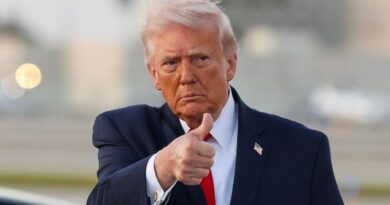
Mr. Trump struck a different tone earlier Friday, telling reporters he is “not happy” with the pace of negotiations and had not yet decided whether to authorize strikes.
“I’m not happy with the fact that they’re not willing to give us what we have to have,” he said. “I’m not thrilled with that. We’ll see what happens. We’re talking later.”
Mr. Trump said Friday afternoon that he wants Iran to stop enriching uranium altogether.
“They want to enrich a little bit. You don’t have to enrich when you have that much oil,” the president said during an event in Texas. “I say, no enrichment.”
Iran has long ruled out giving up its uranium enrichment program, with Iranian Foreign Minister Abbas Araghchi telling “Face the Nation” last week that the country has “every right to enjoy a peaceful nuclear energy, including enrichment.”
Iran previously agreed to limits on uranium enrichment under a 2015 deal that was struck with the U.S. and several other foreign powers. Mr. Trump withdrew from that Obama-era deal during his first term, arguing it was not strict enough.
In recent years, Iran has enriched uranium up to 60% purity, which is a short step away from the level necessary for nuclear weapons. U.S. intelligence agencies assessed last spring that Iran had not reauthorized a nuclear weapons program that was suspended in 2003, and the country has long denied any interest in developing a nuclear weapon.
Albusaidi said Friday that Iran is not currently enriching uranium, though a confidential report issued by the IAEA this week assessed that Iran is conducting unexplained activity at nuclear sites that were bombed by the U.S. last June, CBS News has confirmed.
Mr. Trump has told reporters in recent weeks that he is considering another strike on Iran if a nuclear deal cannot be reached, though he said his preference is for diplomacy.
Negotiators from Iran and the U.S. have held three rounds of indirect talks over the last month, including initial talks in Oman and two rounds in Geneva, Switzerland.
The talks have centered on Iran’s nuclear program, not its ballistic missiles or its practice of funding proxies in the Middle East — two areas that Israeli Prime Minister Benjamin Netanyahu has argued should be part of any deal. Secretary of State Marco Rubio called Iran’s unwillingness to discuss ballistic missiles a “big, big problem” earlier this week.
Albusaidi told CBS News that “priority number one is to get this nuclear issue resolved,” but added, “I believe Iran is open to discuss everything.”
He said he believes both the U.S. and Iranian sides are “very, very serious to reach a deal.” He suggested that a deal could be struck imminently, though the two sides may need three months to implement the terms of any agreement.
“If I was President Trump, my only advice is just to give those negotiators enough room and enough space to really close these remaining areas that we need to discuss and agree upon,” said Albusaidi.