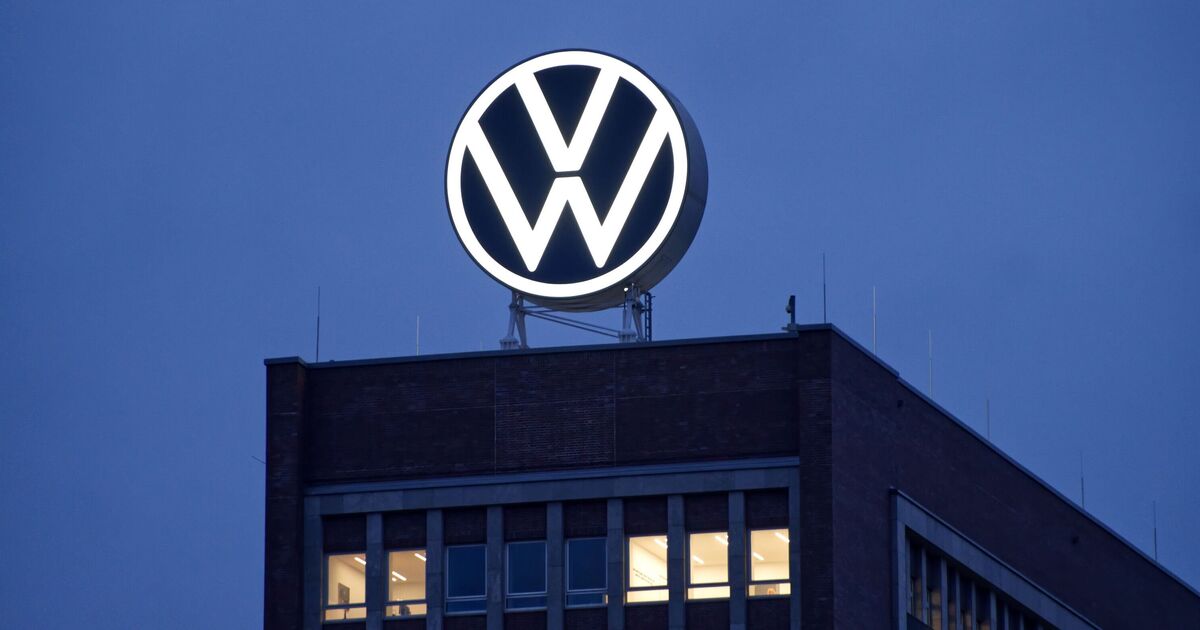
Volkswagen in crisis as 50,000 jobs to be cut by 2030 | World | News
Europe’s largest carmaker Volkswagen has revealed plans to cut around 50,000 jobs by 2030 after profits plunged sharply last year.
The German automotive giant said its post-tax profit fell by around 44% in 2025, dropping from €12.4billion (£10.5billion) to €6.9billion (£5.8billion). Despite remaining one of the world’s biggest car manufacturers, the company reported that overall sales slipped slightly by 0.8% to just under €322billion (£272billion).
The results mark Volkswagen’s lowest profits in a decade, highlighting mounting pressure on the global car industry.
Chief executive Oliver Blume said the company now plans to reduce its workforce significantly in order to stabilise the business.
Around 50,000 jobs are expected to be cut across Germany by the end of the decade, although the company has previously reached agreements with unions to avoid compulsory redundancies.
Volkswagen has been grappling with a series of challenges including weaker demand across Europe, slower-than-expected adoption of electric vehicles and growing competition from Chinese car manufacturers.
*** Ensure our latest news headlines always appear at the top of your Google Search by making us a Preferred Source. Click here to activate or add us as Preferred Source in your Google search settings. ***
Trade tensions have also added pressure, with tariffs introduced under the administration of Donald Trump affecting parts of the global automotive supply chain.
Volkswagen’s chief financial officer Arno Antlitz said the company may need to take further action to reduce costs.
“We can only realise this if we continue to rigorously reduce costs,” he said. “That is what we will focus on in the coming months.”
In 2024, the company reached an agreement with labour unions to avoid forced redundancies and factory closures in Germany until 2030, meaning job cuts are expected to come through voluntary departures and restructuring.
The announcement underlines the scale of transformation facing the global automotive industry as manufacturers invest heavily in electric vehicles while trying to remain competitive in a rapidly changing market.