Doing one thing before bed ‘saves £100’ ahead of July 1 price rise | Personal Finance | Finance

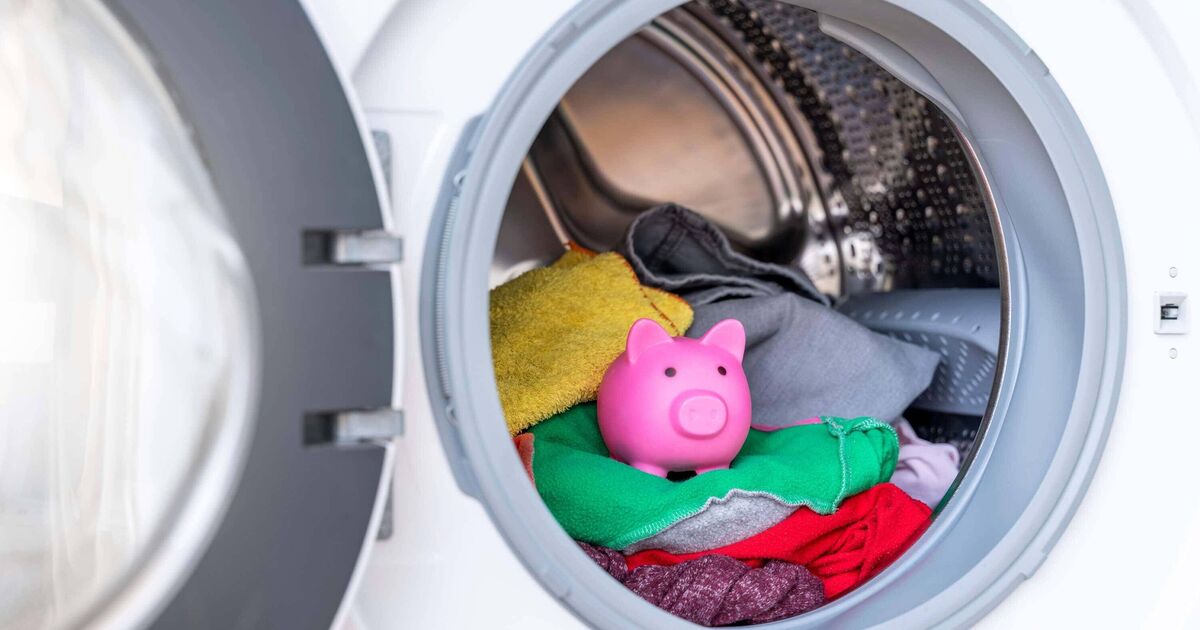
Money can be saved during laundry (Image: Alamy/PA)
Between the current elevated cost of living and the Middle East conflict, household budgets are suffering a battering, particularly regarding energy bills.
“The cost of energy is very volatile. At the moment, we see the regulator change the price cap quite significantly every three months, and the outlook at the moment is that the cost of energy will rise after this current price cap comes to a conclusion on June 30,” says Gareth Kloet, an energy spokesperson at GoCompare.
Therefore, while the price cap fell at the start of April, “it’s not all about savings right now. It’s about shielding yourself from future price rises, too. At any time of year, thinking about how you’re using energy and becoming more efficient and energy-conscious is good standard practice”.
Long-term habits that will help reduce energy bills
Make the most of warm and dry weather
“Instead of tumbling things into a tumble dryer, throw them on a washing line if you can,” suggests Kloet. “And when you do a wash, instead of washing at 60 degrees [Celsius], see if you can go down to 40. That can save you anywhere between £15 and £40 a year.”
Moreover, when conditions are favourable enough to dry your laundry naturally, in swift fashion, “try and get as much washing as you can done in one go” to maximise the advantages.

Making the most of summer weather is a way to save, according to an expert (Image: Alamy/PA)
“Estimates vary quite dramatically, depending on what the cost of electricity is, but it’s not unusual for you to be able to save £60 to £100 a year by switching things off standby every night,” says Kloet.
Consider changing energy tariffs
Switching to a fixed rate deal may “not so much save you money against current prices, but will help shield you from potential future price rises,” explains Kloet. “If you opt for a fixed rate deal, just like a fixed rate mortgage, it protects you from the market changes, up or down, but the expectation is energy prices will rise from the next price cap period and that could be quite substantial.”
“If you’ve got old-fashioned light bulbs, they can use quite a lot of electricity, whereas an LED will use about a tenth,” says Kloet.
Avoid overusing the kettle
“One of my bad habits is that I’ll put the kettle on and then I’ll go do something else and forget I put the kettle on,” admits Kloet. Only boiling it when you genuinely require it, and filling it with no more water than necessary, will put money back in your pocket.

Analysts expect energy bills to rise in July (Image: Alamy/PA)
Shop for efficient appliances
“When shopping for new products, if you’ve got old, inefficient things like cookers, fridges and dishwashers, moving to an A-rated appliance instead of a less efficient-rated appliance will save you money,” says Kloet.
“My kids spend ages in the shower, but if you can shower instead of [use the] bath, it’s a good habit that’ll save you water. It’ll also save you the cost of heating that water,” says Kloet. “But the assumption is that you’ll shower and use less water than you would in the bath equivalent, so you need to have a short shower.”
Reducing your water flow is another worthwhile option. “Some water companies will give you free devices you can attach to your taps and shower to reduce the flow of water. It froths it up, so it feels like you get the same amount of water, but you actually get less. And because you’re using less water, you’re heating up less water.”
Alternatively, during warmer spells, switching to cold showers is well worth considering. “That’d save you a lot!”
Insulation is not just for winter
“In the wintertime, it will stop heat escaping, but in the summertime, insulation will stop heat entering the home,” says Kloet. “It’s all about thinking how you can control the temperature in your property in order to make it as efficient as possible without putting the heating on, or the necessity for fans or air con.”
Drawing your blinds and curtains can produce a comparable result. “In the winter, that obviously keeps heat in and draughts out. In the summertime, it stops the room from getting too hot and reduces the need for fans.”
“In the summertime, we tend to do more gardening, and if you’ve got things like an electric hedge trimmer or electric mower, they will use energy,” says Kloet. Taking part in ‘No Mow May’ could help reduce expenditure. “If you are extravagant enough to have an electric patio heater, that will use a lot of energy, the same with those halogen bulbs [around the patio], so don’t leave them on all night,” he adds. Solar-powered lights can serve as a practical alternative.
Still unconvinced about air fryers? “An air fryer is pretty much always more efficient than an oven, just because it’s designed for cooking at speed in a smaller area,” says Kloet. During the summer months, you could also opt for a coal or wood barbecue instead. “It’s not the most efficient way to heat up food, but it will cut your energy bill,” says Kloet with a laugh.
Seek help if you’re struggling
Concerned you may struggle to settle your energy bill? “Speak with your energy supplier, they are there to help. They’re not trying to cut you off,” says Kloet. “Talk about what assistance they’ve got, because there are things like the Warm Home Discount, there’s support for some customers. They might be able to help you with implementing some energy-efficiency measures around your home, too.”