Martin Lewis recommends £1,000 savings ‘tactic’ if you’re worried about Iran war impact | Personal Finance | Finance

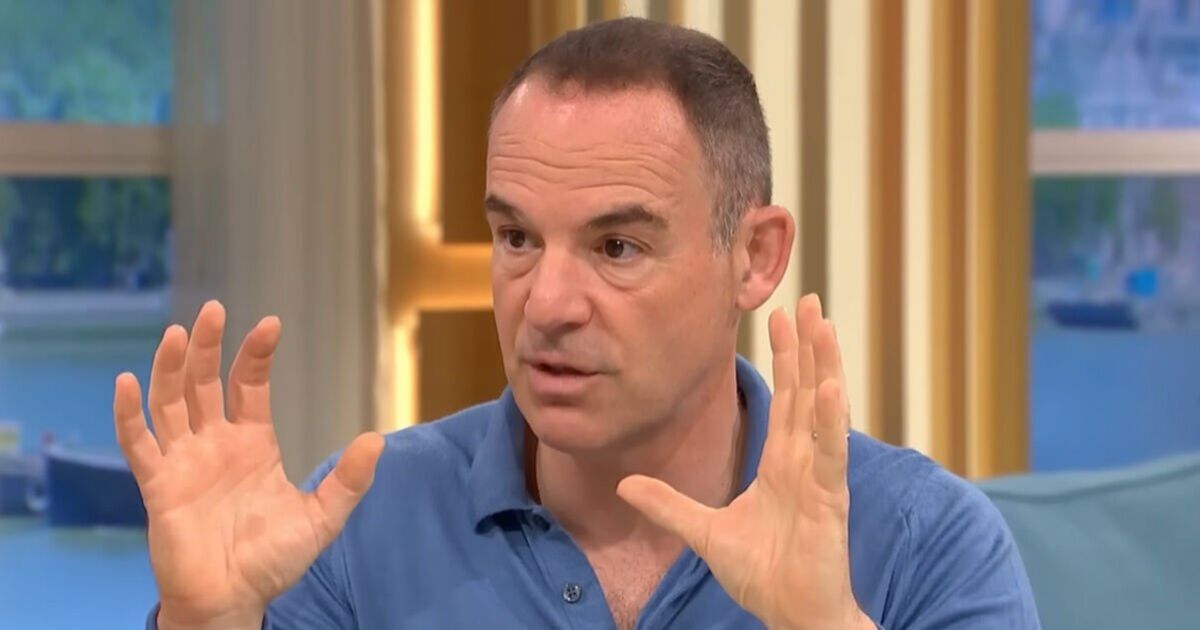
Martin Lewis shared some tips on his BBC podcast (Image: ITV)
Martin Lewis has spoken about how you could structure your savings. He shared the practical tip in light of the current uncertainty around the economic impact of the Iran war.
The major conflict has already led to a spike in oil prices, with concerns there could be long-term impacts on food production and global economic growth. Mr Lewis was asked on his BBC podcast if now is a good time to open a stock and shares ISA, given markets are flagging.
If stock prices take a tumble, it can be a good time to make some purchases as your funds could jump up in price when the market recovers, but if they drop further, the value of your holdings could fall too. In response, Mr Lewis set out the general principle to follow.
He said: “If you’re talking about investing for a long term money that you don’t need for five years and you’re going to do that in a nice spread of investments, like a global tracker fund or an S&P tracker or FTSE tracker, then you just have to accept that you will never know when the perfect time to put money in is.”
Read more: Nationwide update for anyone with a current or savings account
Read more: Martin Lewis says he ‘properly loves’ financial tip that ‘pays dividends’
£1,000 savings method
However, he did share one method you could try to mitigate the risk of the market being volatile. Mr Lewis said: “Let’s just imagine you’re putting £10,000 in a stocks and shares ISA, and you’re putting it away for a long time.
“You could put £10,000 in now but you could arrange with the provider that it sits in its cash part. You can hold it in cash, within a stocks and shares ISA, for the moment.
“You could say I’ve got £10,000, over the next 10 months, I’d like you to buy £1,000 a month of that tracker fund that I’m putting my investment into.
“It’s called pound-cost averaging. Because you’re drip feeding the money in, that helps smooth out the short-term volatility of buying at the right moment.
“So if you’re worried about that volatility, you might want to adopt that tactic.” Mr Lewis went on to say that in reality nobody knows when is the best time to buy.
He said: “They are unknowable in the short term, but in a broad spread of investment over the long term, on the balance of probabilities, investing will outperform saving. So don’t let the volatility put you off, but you might want to spread the time that you’re putting the money in.”
Some key changes to ISA allowances are coming up very soon. You can currently deposit up to £20,000 each tax year, which you can split as you choose between cash ISAs and stocks and shares ISAs.
Changes to ISAs coming soon
From April 2027, you will only be able to put away up to £12,000 as you choose. The other £8,000 will still be there but you will only be able to use this for investment-based accounts.
Savers aged 65 and over will be exempt from the new rules, and will be retain the current £20,000 allowance. ISAs are entirely tax-free, with no tax to pay on any interest earnings or investment gains with these accounts.