Petrol and diesel drivers demand urgent HMRC tax change
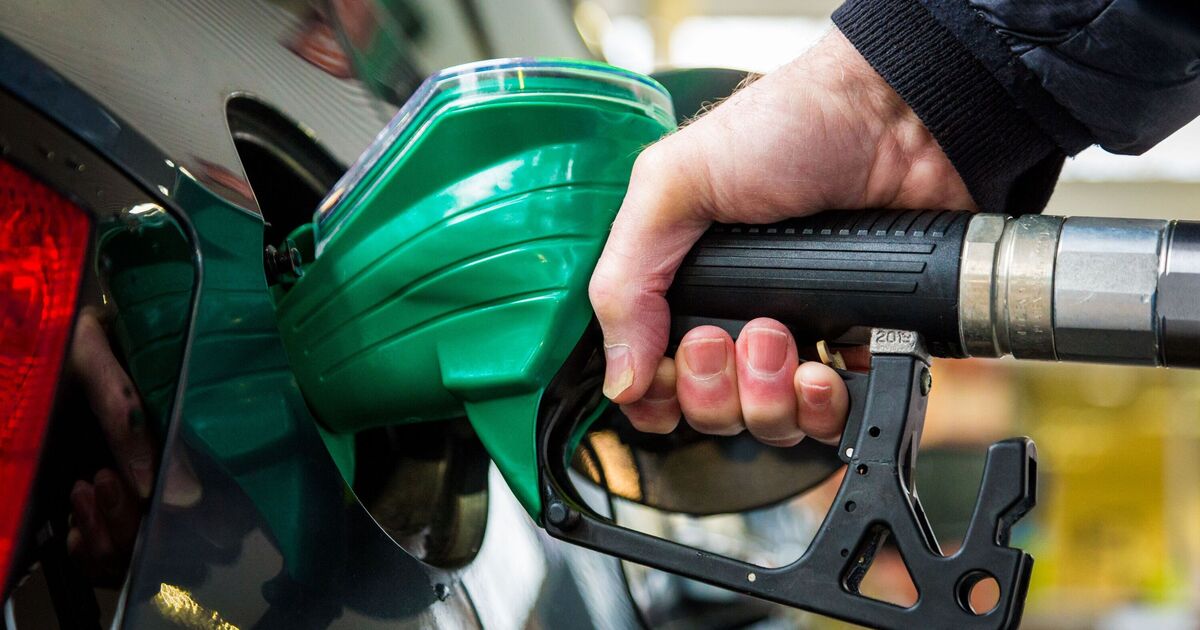
Experts are calling on the government to protect motorists by making changes amid the soaring fuel prices. The cost of fuel has skyrocketed since war broke out in the Middle East on February 28. And while rates have fallen for the first time since the conflict, motorists are still facing higher prices at the pumps.
RAC Fuel Watch data shows that drivers are paying 158p per litre for petrol and 191p per litre for diesel on average, with the surging cost of Brent crude oil being passed on to drivers. In efforts to tackle the issue, experts have called on the Government to increase the Approved Mileage Allowance Payment (AMAP) rates for UK motorists.
These rates are used when reimbursing employees for costs associated with using their privately owned vehicles for business, including fuel, insurance, and maintenance.
Analysis from accounting, tax and business advisory firm, Blick Rothenberg, suggests that Labour needed to “urgently” update HMRC rates to reflect the “current fuel and economic crisis”.
Motorcyclists can currently claim 24p per mile for work-related travel, while cyclists can claim 20p. Although Robert Salter, a director at the financial firm, warned that these rates should change, as they do not account for the cost of fuel following the war in Iran.
Mr Salter said: “In the years since the existing rates were introduced, general inflation, as measured by Consumer Prices Index (CPI), ignoring the recent impact of the Gulf Conflict on fuel prices, has increased by approximately 50%, while motoring inflation, as seen in the price of used cars and car repair costs, has seen even more significant inflationary increases.
“This represents an increasing burden for those taxpayers who are obliged to use their private vehicles for business and could discourage them from taking on particular job opportunities if they involve driving further afield.”
The charge for company cars is based on the price for tax purposes, and multiplied by “an appropriate percentage” based on the CO2 emissions rate of the vehicle and the fuel the car uses.
Mr Roper continued: “While AMAP rates will never be perfect, they are a rounded allowance rather than a perfect reflection of every individual person’s car mileage cost.
“They currently represent a form of tax unfairness that is undermining the UK’s underlying economic growth. They must be increased to accurately reflect fuel and motoring costs for workers.”
The RAC is forecasting that petrol and diesel prices will fall in the near future, describing it as a “glimmer of light at the end of the tunnel”.
Simon Williams, head of policy at the organisation, added: “Wholesale prices are still lower, so we’re hopeful there will be further reductions amounting to several pence a litre in the coming days.”