Tax-free Personal Allowance boosted to £13,830 for households with HMRC ‘backdating’ | Personal Finance | Finance

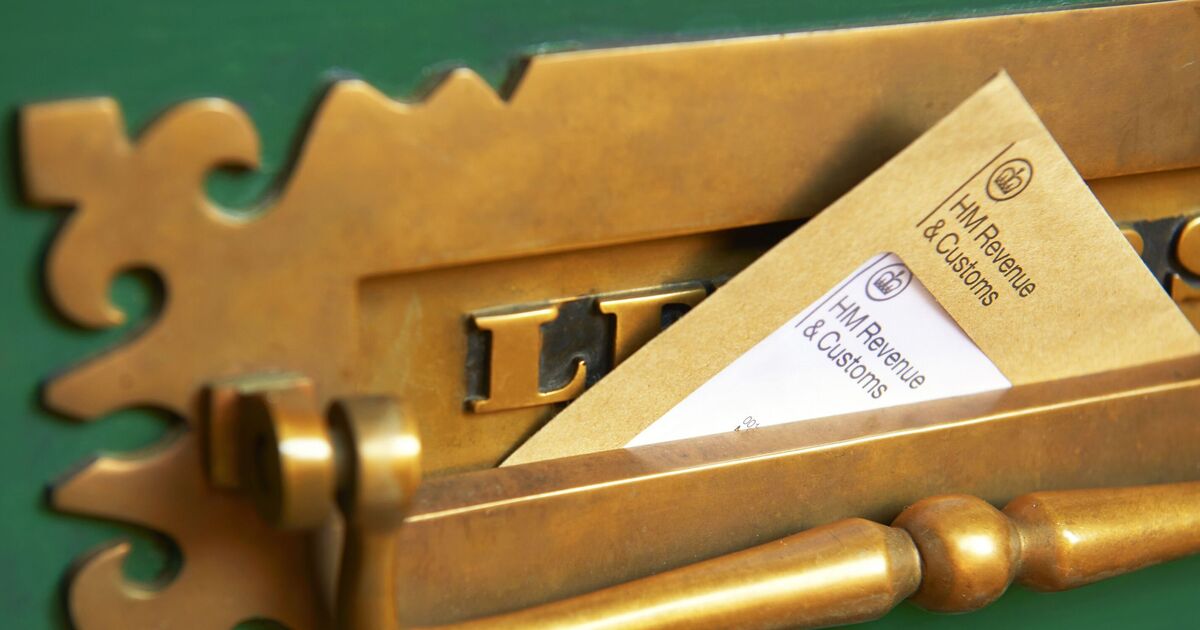
Households can get up to £14,064 tax-free (Image: Getty)
The tax-free Personal Allowance has been frozen since 2021 and the freeze on the Income Tax bands has been extended for another five long years by Rachel Reeves.
It means that it will have been stuck at its same meagre £12,570 limit for a full decade by the time it is eventually increased again – that’s if it’s not frozen yet again. That means, because of ‘fiscal drag’, more and more people are going to end up paying more and more tax on their earnings, as wages increase due to inflation, and more people earn money that becomes subject to income tax, leading to higher tax bills for all of us. Just today, the Express reported that 2M people have been pushed into higher tax bands due to the frozen thresholds.
But there is a fully legal method which will allow you to increase your tax-free Personal Allowance right now – and backdate it for several years too.

Personal Allowance remains at £12,570 (Image: Getty)
The Personal Allowance is the amount of money you can earn before you start paying tax and it remains at £12,570, which it’s set to stay at until 2031 at the earliest. That means everything you earn above that is taxed at 20%, or 40% on earnings above £50,270 for a higher rate taxpayer and 45% on earnings above £125,000 for an additional rate taxpayer.
One way you can increase your tax-free Personal Allowance requires you to be married or in a civil partnership.
Couples who are married or in a civil partnership can increase their tax-free take-home pay by £252 per year and backdate their claim for four more years, too.
This applies to up to four separate tax years if you backdate the claim. This means you could be looking at a tax rebate of up to £1,260. HMRC will then adjust your tax code to give you the money you’re owed, which when added to the standard Personal Allowance for the year (£12,570) comes out at £13,830 tax-free instead of £12,570, giving you £260 back (20% of the extra £1,260). Any backdated years added on top will be paid via cheque.
In order to be eligible, one partner must pay no income tax – so earn under £12,570. For example if one of the couple is no longer working, has lost their job or is taking a career break for childcare.
The other must be a basic rate taxpayer earning between £12,570 and £50,270 (once pension contributions are deducted).
This process, called the Marriage Allowance, enables the lower-earning partner to transfer £1,260 of their Personal Allowance to their partner and reduce their tax bill by £252 for each year claimed (20% of £1,260).
AJ Bell director of personal finance, Laura Suter, explained how this works. She said: “More people are being dragged into paying higher levels of tax, largely due to frozen allowances and thresholds that haven’t kept up with inflation. But at the same time, many households are overlooking completely legitimate ways to earn tax-free income, simply because they don’t realise what’s available. A little bit of knowledge about how the tax system works can go a long way.
“The marriage allowance is a great way to claim some money back if one half of the couple earns less than £50,270 a year and the other either earns less than £12,570 or doesn’t earn any money at all. The government lets those who are married or in a civil partnership share their tax-free earnings allowance each year. It means that if one of you hasn’t used up your personal allowance of £12,570 a year you can hand it over to your partner. That could save you up to £252 in the current tax year. It’s thought around two million couples are eligible for this tax break but not claiming it, and even those where one half of the couple is retired can claim the tax break.
“What’s even better is that you can backdate any claims for up to four years, assuming you were eligible in those years. You can claim it online directly through the government, you’ll just need yours and your partner’s national insurance numbers plus some forms of ID. You can check if you’re eligible using the government’s calculator. But beware of scam websites that are mocked up to look like the government website but are actually imposters.”
For 2024-25 a slight change was made that also allows someone earning between £11,130 and £12,570 to transfer their Personal Allowance, although earnings inbetween those amounts are still liable for tax. It does still work out to a saving, just not as great as those earning less than £11,130.
You can only backdate your claim for the current year and the past four financial years, so 2020-21 will be too far back now, but you can claim for this current year and the past four back to 2021-22.