Martin Lewis alert for workers earning ‘more than £10k’ for pay rise | Personal Finance | Finance

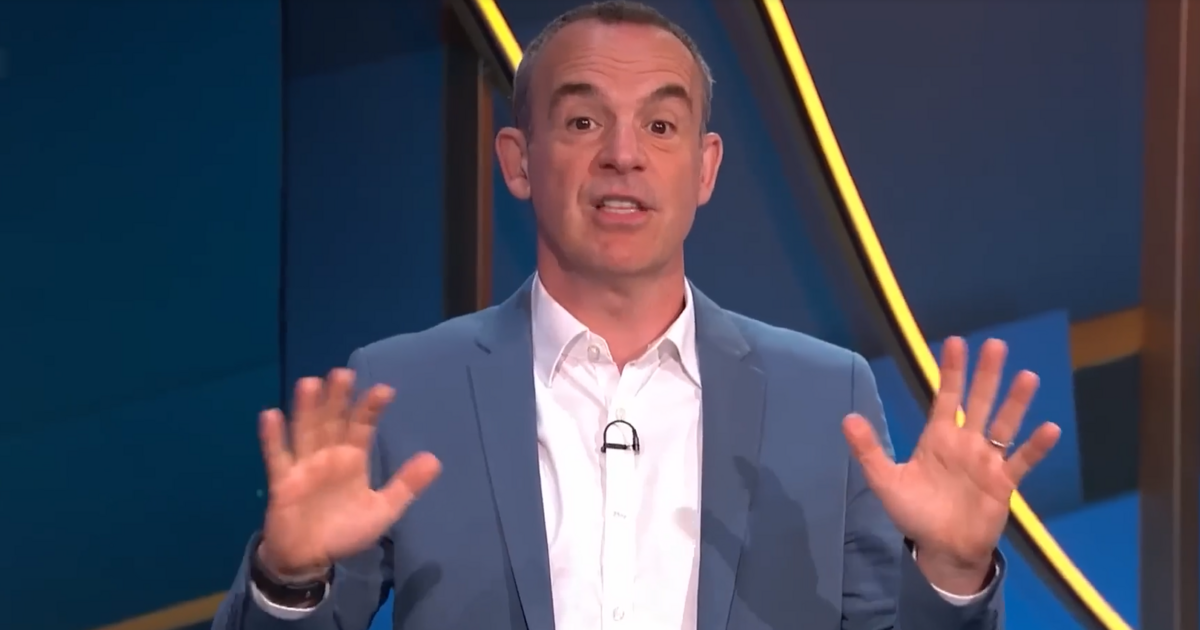
Martin Lewis said people are missing out on extra pay if they don’t put wages into pensions (Image: ITV)
Martin Lewis has urged people to use their pensions to effectively secure a free pay rise, claiming they possess ‘super powers’. The personal finance guru was speaking on his ITV Money Show Live this week, explaining that due to the way taxation operates, significantly less of your earnings will go to the Government — and more will be directed towards your retirement pot.
This is all down to tax relief, Martin explained, as pension contributions are deducted before income tax is applied to your salary. He also highlighted that one key superpower of pensions lies in workplace schemes — accessible to anyone earning more than £10,000. He said: “So let’s imagine you put £100 in your pension. It’s coming from your salary when you work. So you’re putting £100 in. Now normally you would be taxed on that, wouldn’t you? Tax would be taken off before you got it. So you’d only receive the after tax amount.
“But when you put it in your pension, the pre-tax amount goes into your pension. So to put a £100 in as a basic rate taxpayer, you’re only losing £80 in your pay packet. So only effectively cost you £80. As a higher 40% rate taxpayer, well, well, you get a £40 tax gain, it only cost you £60. As a top 45% rate taxpayer, there you go. It only cost you £55.
“So, the first big point to make, So, the first big point to make, the first pension superpower is it comes from pre-tax income. So, you get more investment going in than it costs you in your pay packet. And that’s one of the first reasons it’s important to start saving into a pension.”
There are also considerable advantages to being enrolled in workplace pension schemes. One viewer, Ed, asked: “I’m self-employed and I invoice for my gigs. Am I right in thinking that the state adds 20% tax relief to my self-employed pension contributions?”
Martin replied: “Yeah, Ed, you are absolutely right. If you’re self-employed, there is an automatic 20%. Let’s just look at this. This was for an employee. It all happens automatically in most cases. But if you’re self-employed, here we go. You still get the tax relief paying to a private pension.
“A relief at the basic rate is automatic. So you pay in 80 quid and 20 is added on top as to what goes into your pension. Now that works up to the age of 75 even if you’re not working. You can do this. So you could put up to £3,600 a year in. Of course you’re only putting in £2,880 because of the money that’s been added to get that. Which means you might save for your child or your baby in a pension.”
He had a message for any grandparents who could make an enormous contribution to youngsters’ futures. Martin explained that contributions needn’t wait until working age – they can begin much earlier: ” And there are babies out there who have pensions. Grandparents, it’s a great gift. Put money in a pension. Now, when they’re 60, they will still remember you because you started off that pension for them.”
Self employed
Martin elaborated: “Now, if you’re a self-employed higher 40% or top 45% rate taxpayer and a few people on PAE like paying into NEST where you only get the basic 20%, but we’ll generally focus on self-employed because there’s only 20% tax relief automatically for you. You usually can claim the extra back by your self assessment tax form. It isn’t to your pension. It just reduces your general tax bill. So, it is worth thinking in that case, should I be putting a little bit extra in because I’m not going to be getting the full relief. It’s going to be going somewhere else and you can put some more money in. But, if you’re self-employed, it’s really important to claim that extra tax uh because it’s your money and it’s a big benefit of putting it into pensions. And so, Ed, yes, is the basic answer. At 20%, you get it automatically.”
Workplace pensions
A caller enquired whether they would be better off opting out of their workplace pension and establishing a private one instead. Martin was absolutely unequivocal in his response. He said: “Let me give you the short answer. No. This is about auto enrolment. This is for employees only. This is you in your workplace pension, assuming it’s that type of pension.
“So, generally most people who are employees, if you’re putting into your pension automatically, your employer has to add money to at the basic level. That means for the £100 you put in that only cost you £80, your employer has to add £60 on top. So, as a basic 20% rate taxpayer, it only cost you £80. You’re getting £160 worth of investment. In a private pension, you get a £100 worth of investment. So, there’s a massive lift to you, assuming you’re within your limits and you’re not going over the maximum you can put in your workplace pension of opting out of that workplace pension.
“And the same happens at each high rate tax level, the £60 is added on top.”
Who qualifies for autoenrolment?
Mr Lewis clarified: “Well, if you earn over £10,000 a year and you’re aged 22 up to state pension age, currently 66, you will automatically be put into your employer’s pension. You don’t have to do anything. You have a choice to go out of it. But if you do nothing, you are put into it. Now, if you’re opted in, the minimum contribution is 8% of your income on earnings up to £50,270.”
He noted that the minimum employers are required to contribute is 3 per cent – effectively representing a pay rise that workers would not otherwise receive. He said: “So, it’s that 3 percentage points that you would be giving away if you opted out of your workplace pension. And in fact, some employers will give you more than that.
“If you earn between just over £6,000 up to 10 grand, and if you’re age 16 to 21 and earn over 10 grand, or age state pension age to 74 and earn over 10 grand, you have a right to opt in. And if you opt in, they must still do the matching contributions onto this basis. So if you’re a younger person living at home and you got a bit of spare cash, even if you’re on a low income or if you’re on a little bit more, it’s a great time to put money in your pension because your employer’s going to match it. If you’re working once you’ve got to state pension age, well, you might want a little bit more to be putting in because you’re getting all those benefits of that super duper power. We’ve done super. This is super duper power.”