NS&I Monday announcement over premium bond delays payments ‘£10 rule’ | Personal Finance | Finance

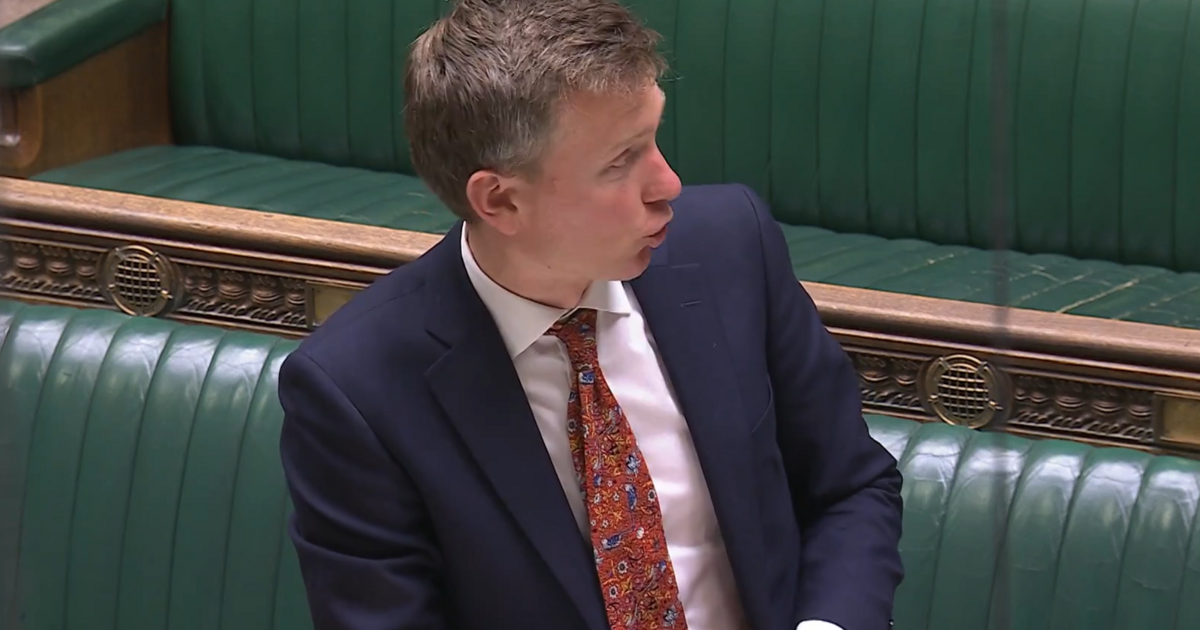
Pensions Minister Torsten Bell explained how NS&I customers will be repaid (Image: Parliament TV)
NS&I this afternoon said it will, from next week, begin contacting the estates of deceased customers who, due to an error, were not repaid money from all of their NS&I accounts following a bereavement claim.
Around £470m of deposits and 37,500 customers have been affected by failures to trace the account details of some NS&I customers after they died, Pensions Minister Torsten Bell told MPs – an issue he has said the government had learned about in December.
Today NS&I said it will contact all affected estates with holdings of £10 or more to reunite them with the full value of those holdings that should have been returned to them earlier. It added: “To ensure estates have not been disadvantaged by the delay, this will then be adjusted upwards to include either the higher of the interest accrued since the error occurred, or the Bank of England base rate plus one percentage point, in line with Financial Ombudsman Service (FOS) principles.
“There will be a full inheritance tax exemption for the holdings of the remediation population affected by the NS&I tracing error which are returned to the estates to which they rightly belong. To further ease the administration of estates, the personal representatives or executors will not be liable for any Income Tax ordinarily due in their role on interest accrued before death or in the administration period.
“There is nothing that families, beneficiaries or the personal representatives and executors of deceased estates need to do. NS&I will contact the personal representatives and executors of estates with holdings of £10 or more directly. Payments to affected estates will run over the coming months and are expected to conclude in the first half of 2027.”
NS&I said the error happened because the search process used when handling a bereavement claim failed to identify all NS&I products. It claimed issue has been resolved for current and new bereavement claims and ‘robust measures have been introduced to ensure this does not happen again’.
Sir Jim Harra, Interim Chief Executive, NS&I, said: “I apologise to everyone who has been affected by this issue. Beginning the process of repaying these funds is a key step in putting things right.
“We need to ensure that everybody who makes a bereavement claim with NS&I is treated sympathetically and has their case processed as quickly as possible. Today, this process is taking longer than it should. We have brought in additional staff to get the service back on track.”
Pensions Minister Torsten Bell today in a written statement said: “These failures relate to past tracing and operational processes and do not reflect current practice. I recognise the distress and inconvenience that these shortcomings may have caused to those that have suffered bereavements.
“The Treasury has instructed NS&I to put this right swiftly and fairly, requiring a delivery plan detailing how they plan to do so to be published during May. NS&I has now completed extensive work to understand the affected population and to design a remediation approach. Today NS&I is publishing the Delivery Plan that they will follow to ensure proactive timely contact, payment of outstanding holdings, and appropriate compensation.
“The current remediation population is estimated at up to 34,000 cases, with a total value of approximately £367 million.”
On March 26, NS&I, supported by external advisers, estimated that around 37,500 bereavement claims with a total value of £476 million may have been affected by this issue. As the review has progressed, this number has reduced and is likely to reduce further. Today, 19 May, NS&I’s assessment is that up to 34,000 estates with a total value of approximately £367 million have been affected.
NS&I will contact those estates where the capital in the deceased customer’s accounts plus accrued interest is £10 or more. The de minimis threshold is being set lower than seen in some redress cases, reflecting the priority attached to returning funds to those affected while avoiding creating disproportionate administrative burdens and disturbance in the cases of the smallest holdings.