Martin Lewis says households could save £1000s in council tax with simple job | Personal Finance | Finance

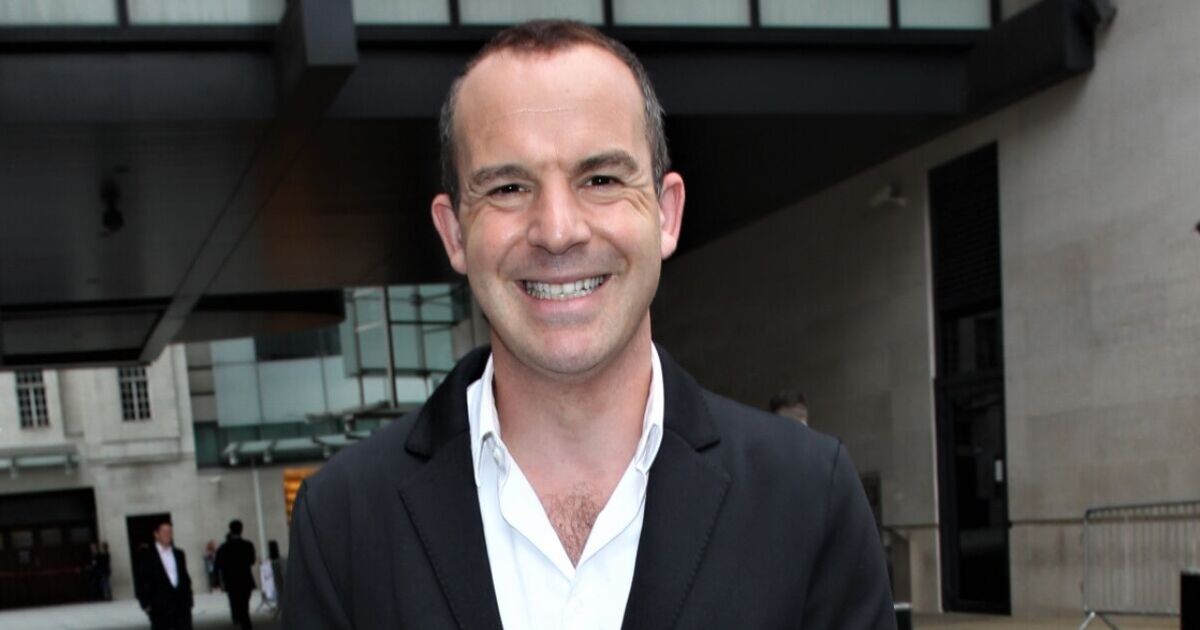
Martin Lewis explains which households qualify for council tax discounts (Image: Getty)
Martin Lewis has explained how certain households qualify for lower council tax bills, saving up to £1000s per year. Discounts are calculated on a number of factors, including who you live with, your income or what kind of property you reside in.
The Money Saving Expert founder explained that there are three categories of people who do not count for council tax purposes: under 18s, full-time students on a course of at least one year’s duration and someone who is severely mentally impaired (SMI) and this appears to be permanent.
READ MORE: Some Nationwide Fairer Share payments to be worth less than £100
READ MORE: Rachel Reeves announces huge 10p change for petrol and diesel drivers
Lewis, who recently won a Special Award at the BAFTA TV Awards for changing how Brits think about their finances, said SMI can include people whose diagnosis for Parkinson’s disease, Alzheimer’s, dementia or stroke is severe.
He explained another exemption applies to live-in carers who work more than 35 hours per week. It does not apply to carers who are looking after a spouse, partner or their own child under 18.
The finance expert told viewers of ITV’s The Martin Lewis Money Show Live if there are two adults in a house, no matter if they live with anyone else, then full council tax must be paid.
Lewis, speaking in January, added: “If there is only one adult in the house, they are entitled to the single person’s discount of 25%, even if they are living with somebody who is discounted for council tax or a live in carer.”
An individual with a SMI who has a live-in carer qualifies for a 50% discount while those living in an “all discounted” household, such as a home completely occupied by full time students, there is no council tax to pay.
Our community members are treated to special offers, promotions, and adverts from us and our partners. You can check out at any time. Read our Privacy Policy
People on low incomes, pension credits and benefits can qualify for up to 100% council tax, but this varies by local authority.
Lewis said: “[It’s] just really important – you need to apply to your council for that.”
He explained that applying for that discount is separate to the application made for Universal Credit.
Those with disabilities who have had their homes adapted “may” also be able to get their council tax band lowered, according to the expert.
Care leavers making the move to independent living in Scotland and Wales won’t have to pay council tax until they reach their mid-20s.
In England, exemptions vary from council to council, so care leavers here should check with their local authority.
Council tax is the annual fee paid to local authorities, which set its cost each year. The money goes towards funding the services provided by each local council.
You can find out how much it is by visiting the Gov.uk website in England, mygov.scot in Scotland and gov.wales in Wales. From here, you should be able to find your local council.