UK taxpayers still on hook as EU directs £114m to North Korea | World | News

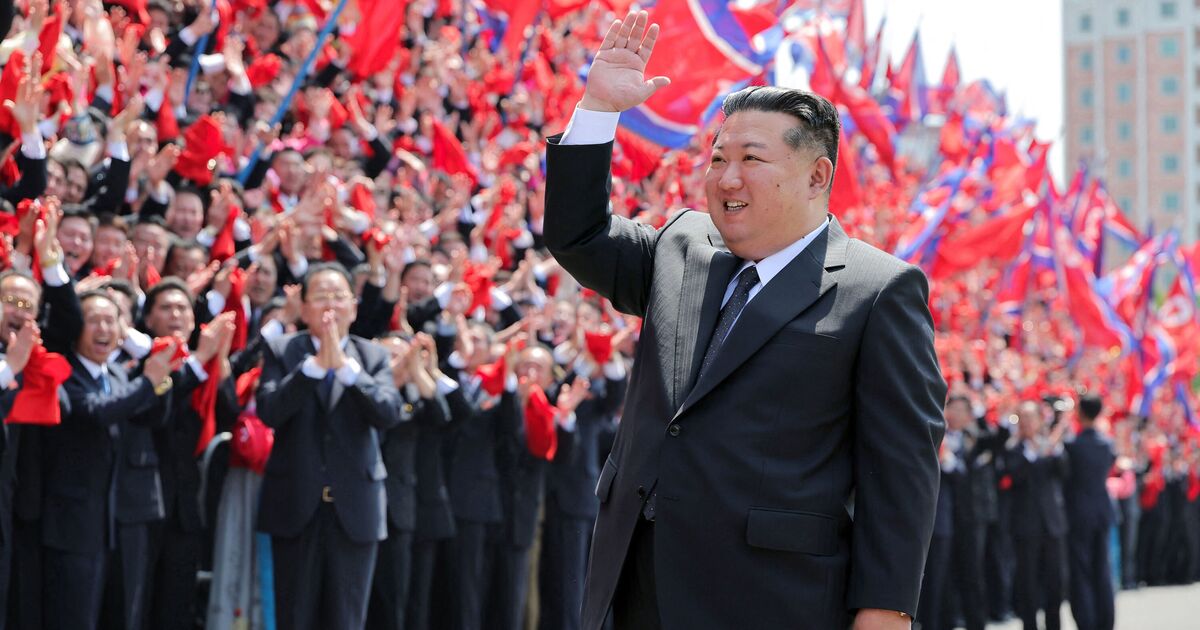
Kim Jong-un, North Korea’s Supreme Leader (Image: KCNA VIA KNS/AFP via Getty Images)
British taxpayers are still contributing to EU spending on projects in North Korea thanks to post-Brexit financial arrangements, critics have warned, with the bloc channelling an eye-watering £114 million (€136.2 million) into the country over more than three decades. The European Union has pumped large quantities of money into humanitarian and resilience causes since 1995, backing over 130 projects on food security, agriculture, health, water, sanitation and disaster response.
No fresh funding has been allocated since 2023 amid strict border closures and international sanctions – but the historical payments are still included in the EU budget. Frank Furedi, executive director of MCC Brussels, slammed the spending as a stark example of misplaced priorities. Mr Furedi said: “For decades, the EU has poured more than €136 million into North Korea under the banner of aid and resilience.
Read more: Brexit bombshell as shocking report reveals UK gave £1.3bn to EU last year
Read more: ‘Pushover’ Keir Starmer turns UK into ‘EU’s cash cow’ as Brussels demands £130bn
North Korea stages second strategic missile test in a week
“Meanwhile, ordinary Europeans face soaring living costs, energy insecurity, declining public services, and economic stagnation at home.
“The priorities of the Brussels establishment could not be clearer: ideological grandstanding abroad while citizens inside Europe are told to tighten their belts.”
Mr Furedi linked the issue directly to Britain’s EU relationship. He said: “This is exactly why growing numbers of Europeans reject the federalist mindset embodied by figures like Keir Starmer and the wider pro-Brussels political class.
“Starmer’s relentless attempts to drag Britain back into closer political and financial alignment with the European Union amount to a direct insult to the democratic will expressed in the Brexit referendum.

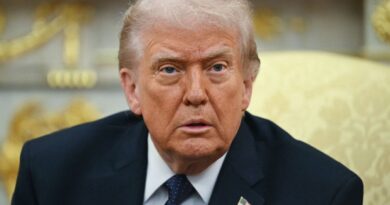
Prime Minister Sir Keir Starmer (Image: Getty)
“The British people voted to regain sovereignty, restore democratic accountability, and escape precisely this kind of unaccountable foreign-policy adventurism.
“Yet now, under the language of ‘cooperation’ and ‘shared values’, Starmer and his allies are quietly attempting to reopen the door to deeper integration with EU structures and spending priorities that British voters explicitly rejected.
“Brexit was not simply a trade decision – it was a rejection of a political culture in which distant bureaucracies spend taxpayers’ money with little transparency and even less democratic consent.”
EU project records confirm that while North Korean government entities were listed in some programmes, they received no direct funds. A £840,000 (€1 million) initiative between 2020-2024 on climate-smart pest management for maize production and a £390,000 (€466,000) project between 2016 and 2020 on sustainable fruit production both routed money to international partners.
Our community members are treated to special offers, promotions, and adverts from us and our partners. You can check out at any time. Read our Privacy Policy
Between 2015 and 2020, projects involving six North Korean beneficiaries totalled £4.6 million (€5.5 million), again with funds primarily disbursed to external bodies. In 2020-2021, £6 million (€7.2 million) went to seven non-North Korean organisations working on DPRK aid, including Agriconsulting Europe (Belgium), Triangle Génération Humanitaire and Première Urgence Internationale (France), Concern Worldwide (Ireland), Deutsche Welthungerhilfe (Germany), Université de Liège (Belgium), and the UN’s Food and Agriculture Organization.
Despite Brexit, the UK remains tied to EU finances through the Withdrawal Agreement’s financial settlement. Billions have been paid and continue to flow, covering outstanding commitments from the UK’s membership period.
Critics note that only a small fraction is strictly ringfenced for areas like pensions and administrative systems, with the majority entering the EU’s general budget where Brussels retains wide discretion over how funds are used — including patterns of humanitarian spending established over decades.
This ongoing exposure has kept British taxpayers indirectly linked to historical EU priorities, even as new allocations to North Korea have ceased.
Supporters of the programmes insist the aid, delivered exclusively through reputable NGOs and UN agencies, addressed acute humanitarian needs in a country beset by chronic food shortages and natural disasters, without bolstering the regime directly. Detractors, however, see it as emblematic of broader waste and disconnection from European citizens’ struggles.
Mr Furedi’s intervention comes as Sir Keir Starmer’s Labour government seeks closer cooperation with the EU on trade, security and regulation. Brexit supporters fear such moves could deepen financial entanglement without restoring full democratic control over spending decisions.
Spread across 31 years, the £114 million total averages around £3.7 million annually — modest within the EU’s overall aid budget but symbolically potent amid domestic fiscal pressures. Public scepticism towards supranational spending has grown as many households across Europe grapple with higher bills and strained services.
Mr Furedi added that cases like this explain rising rejection of EU-style federalism: “Distant bureaucracies spend taxpayers’ money with little transparency and even less democratic consent.” As debates over UK-EU alignment intensify ahead of future negotiations, questions of value for money, sovereignty and accountability are likely to dominate.
The row underscores a fundamental tension: whether funds from European taxpayers — including those in post-Brexit Britain — should continue supporting distant projects when pressing needs exist at home.
With no new EU money flowing to Pyongyang since 2023, the focus has shifted to the legacy commitments and the mechanisms that still bind UK contributions to EU decision-making.