Martin Lewis says Rachel Reeves 55p rule ‘for drivers under 10k miles’ | Personal Finance | Finance

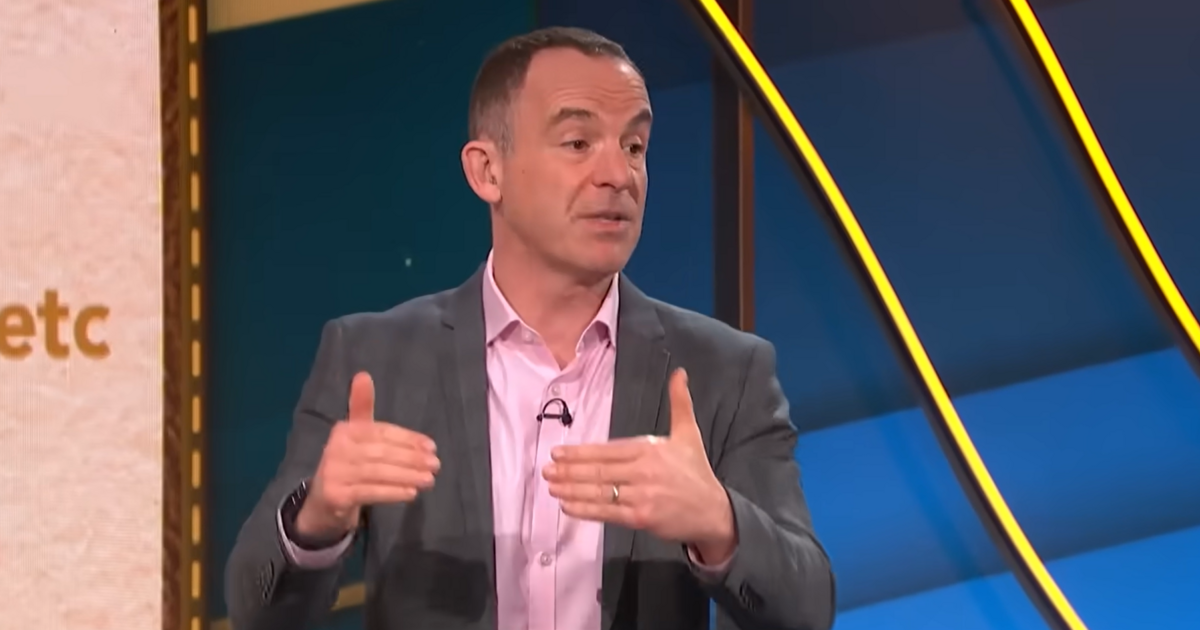
Martin Lewis highlighted new 55p a mile rule for drivers (Image: ITV)
Martin Lewis has highlighted how drivers covering fewer than 10,000 miles annually for work purposes stand to benefit from a new 55p payment. Motorists utilising their vehicles for professional reasons will now be eligible to claim tax relief at 55p per mile for the first 10,000 miles completed within the tax year — an increase of 10p from the previous rate of 45p per mile.
Mr Lewis described this as potentially the most ‘important’ of all the changes unveiled by Chancellor Rachel Reeves. Last week, Ms Reeves announced a reduction in the VAT rate on tickets for theme parks, zoos and museums from 20% to 5% throughout the summer holidays.
The Chancellor outlined the measure as part of a broader package designed to alleviate the cost of living pressures stemming from the Iran war.
Further announcements from Ms Reeves included a 10p per mile rise in tax-free mileage rates backdated to April, a £350 million critical chemicals resilience fund, a £120 million fund to support the ceramics industry, and the removal of import tariffs on more than 100 categories of food products.
Mr Lewis told BBC listeners: “The big one that I think is going to be under-covered, but is actually really important, is the increase in the mileage allowance for people who drive as part of their work. This has been frozen at 45p since, I think 2011, so the increase from 45p to 55p for the first 10,000 miles that you drive is really important.
“To explain to people how this works, if you drive as a part of your work, and the big sector that’s very important on this is care workers who are driving from house to house to house.””What this mileage allowance does is this is the amount that your employer can give you to cover your costs, and you don’t pay tax and National Insurance on it. So it doesn’t count as like earned money. It’s a special allowance.”
SG Accounting’s managing director Dan Mepham warned in a statement to ContractorUK: “It’s good to see HMRC increasing the approved mileage allowance by 10p [because] fuel, insurance, servicing and vehicle costs have all gone up significantly over recent years.
“[While this will feel] like a fairer reflection of the real cost of using your own car for work, it won’t undo all the tax hits contractors and small businesses have had to face over the last few years. [Plus], don’t forget those temporary workplace rules to ensure you and your claims are staying on the right side of HMRC.”
Mr Lewis explained that an exemption applies – it’s not for people going to and from work – but even if the employer doesn’t pay that rate they can claim it back in tax. He said: “So moving that from 45p to 55p is important. It is also worth noting that even if your employer does not give you the full amount of the mileage allowance, let’s imagine they give you 30p. And the allowance is 55p.”
“For amounts that you drive for work, not commuting, not to and from work, this is intra-work travel, intra-day work travel, you can claim that 25p per mile back – tax back on it – because you’d have been paid that in your wages, you’re having to pay it, you can get the tax back in the difference between what they give you and the full allowance. And if they didn’t give you anything, you could claim the full 55p back.
“And similar applies to people who are self-employed for driving in their work.
“This has long been a complaint I’ve got, so I think the change from 45p a mile to 55p a mile backdated to April 2026, so backdated a couple of months, is really going to be quite useful for people.”
“It’s only for the first 10,000 miles, there’s a lower rate after that. I haven’t heard anything about that rate being changed. I also haven’t heard anything about whether they’re changing the rate for people who cycle, because there is an allowance for cycling that you’re allowed to claim too. I’ve just got my team trying to check on that.”
In a post on X, Mr Lewis continued: “The work mileage allowance for under 10,000 miles will rise by 10p to 55p backdated to April 2026.””So this means if you drive for work in your own car (like many care workers for example) you can be given up to 55p a mile tax and NI free. And if you’re not given that level you can claim the tax back on the difference between what you’re given and that amount. So if you’re given 30p per mile. You can reclaim tax paid on your wages for the 25p/mile difference.”
The 45p, now 55p, per-mile rate covers cars and vans, dropping to 25p beyond 10,000 miles. For motorbikes and bicycles, a fixed rate of 24p and 20p respectively applies, irrespective of mileage travelled. Claims are usually submitted through HMRC or included within your tax return for those completing self-assessment. Unions have welcomed the announcement regarding the increased mileage rate for workers required to use their personal vehicles for work.
NEWS: The work mileage allowance for under 10,000 miles will rise by 10p to 55p backdated to April 2026.
So this means if you drive for work in your own car (like many care workers for example) you can be given up to 55p a mile tax and NI free. And if you’re not given that level…
— Martin Lewis (@MartinSLewis) May 21, 2026
Rachel Reeves announced a 10p per mile rise in tax-free mileage rates, backdated to April 2026, increasing from the existing rate of 45p. The Chancellor told MPs: “Having heard from (Labour former minister Jim McMahon) and the trade union Unison, I can today announce a 10p per mile increase in tax-free mileage rates backdated to April 2026 – benefiting those who need to drive for work, from care workers to plumbers.”
Unions have been campaigning for years for the rate to be increased. Unison general secretary Andrea Egan said: “This simple measure will provide immediate help for countless frontline workers in public services. Particularly at a time when living costs are going through the roof once again.””People who need their own cars for work have been left thousands of pounds out of pocket for far too many years. Unison has campaigned hard for this long overdue change. It’s good to know the Chancellor has listened to the concerns of staff penalised by frozen rates.””There’s still more to do to ensure no-one is losing out and the union will continue to campaign for more over the coming months.”