BBC may not recover from farce – don’t be shocked if Wimbledon ditch them next | Tennis | Sport

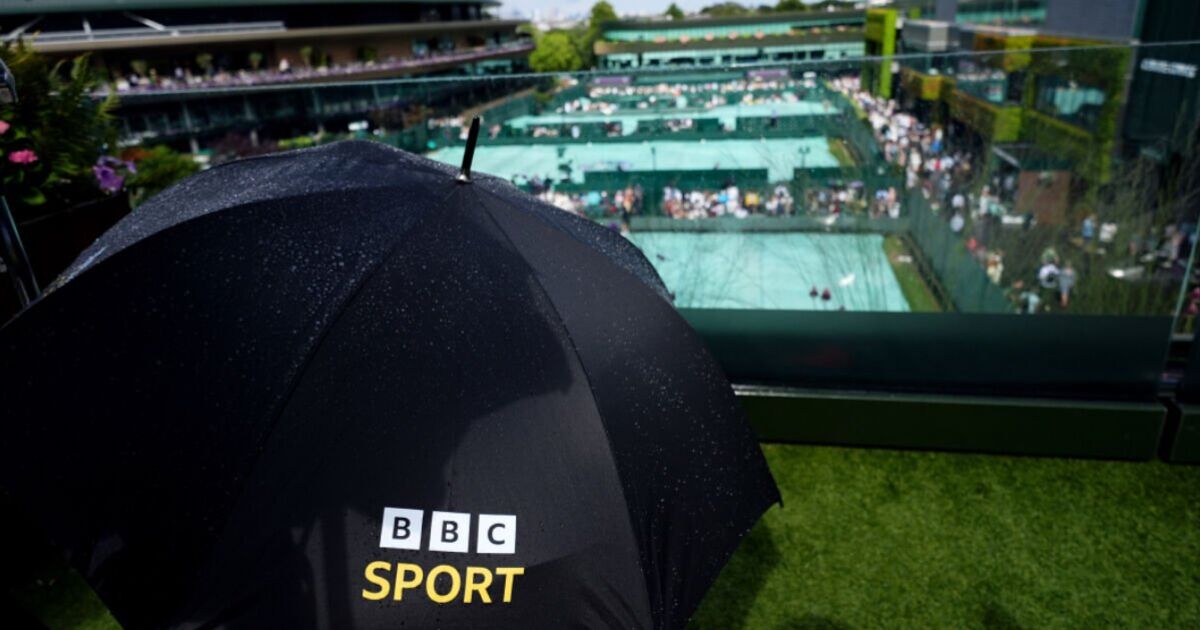
The BBC have big questions being asked of them. (Image: PA.)
Almost the entire tennis world was watching when Serena Williams made her long-awaited return to the court at Queen’s.
Except for those who tried to tune in on BBC Two.
Millions tuning in expected to witness a genuine sporting piece of history: a 23-time Grand Slam champion, arguably the greatest female player of all time, making her comeback on British soil.
Instead, they got a repeat of Richard Osman’s House of Games.
Now, this is no criticism of Osman, who is one of the country’s most talented broadcasters. But when one of the biggest names in world sport returns to action and the BBC decides a daytime repeat deserves priority, something has gone badly wrong.
Williams chose Britain for her comeback. She chose Queen’s. By extension, she chose the BBC.
The corporation repaid that faith by showing only the opening exchanges before quietly shunting the match online.
For tennis fans, it felt like yet another reminder that the BBC no longer views live sport as a priority.
And that’s becoming a serious problem.
The decision looked even worse given that Emma Raducanu and Katie Boulter were also playing doubles together at the same time. Yet viewers hoping to watch Britain’s biggest tennis stars were denied, as the match was not even shown on iPlayer.
This wasn’t simply poor scheduling.
BBC director of sport Alex Kay-Jelski effectively admitted as much earlier this year when he argued that broadcasting live sport is no longer essential for the corporation’s relevance.
“You can still be relevant, you can still matter if you don’t show the sport,” he said.
That philosophy is now becoming impossible to ignore.
For decades, live sport was one of the BBC’s greatest strengths and one of the reasons millions happily paid the licence fee.
The BBC was where the nation gathered.
The signs have been there for years.
Coverage of the Winter Olympics attracted widespread criticism. Even BBC commentator John Hunt publicly expressed frustration when viewers missed the start of Team GB’s gold medal-winning skeleton run.
Many simply switched to TNT Sports.
EXPRESS SPORT ON FB! Get all the best sports news and much more on our Facebook page
This summer’s World Cup only reinforces the trend. The BBC won’t even have a studio presence in the United States until the knockout stages, while viewers won’t get a traditional morning highlights programme either.
Elsewhere, the retreat continues.
For the first time since the 1950s, the BBC will have no rights whatsoever to the Commonwealth Games.
The Boat Race has gone to Channel 4.
The Paralympics went years ago.
So did exclusive Formula One coverage.
Even Wimbledon highlights are no longer exclusively theirs.
Bit by bit, the BBC’s sporting empire has been shrinking.
Which raises an uncomfortable question.
Could Wimbledon eventually decide enough is enough?

Serena Williams made an iconic return to tennis, but many BBC viewers missed the action. (Image: Getty)
The prospect may sound unthinkable today, but it is no longer impossible.
The Times reported earlier this year that All England Club chiefs want significant improvements to the BBC’s coverage when the next broadcast agreement begins after the 2027 Championships.
Behind the scenes, there is reportedly concern that the presentation has become stale, predictable and increasingly disconnected from modern audiences.
If that assessment is correct, why would tennis administrators ignore what happened at Queen’s this week?
The BBC still offers prestige.
It still offers a unique place in British sporting culture.
But prestige alone won’t be enough forever.
The uncomfortable reality for the corporation is that rivals are improving.
TNT Sports earned widespread praise for its French Open coverage.
Laura Robson has emerged as one of the most impressive presenters in British sport for TNT and Sky.
Production standards continue to rise.
And unlike the BBC, these broadcasters appear desperate to convince viewers that sport matters.
Wimbledon is not driven by television money in the same way many sporting events are.
The All England Club will do what it believes is best for the tournament.
If BBC executives think their relationship with Britain’s most iconic sporting event is untouchable, they may want to think again.
Because what happened at Queen’s was about far more than Serena Williams.
It exposed a growing concern within tennis that the sport is becoming an afterthought at the BBC.
And if that perception continues to spread, Wimbledon will eventually start asking difficult questions.
Our community members are treated to special offers, promotions, and adverts from us and our partners. You can check out at any time. Read our Privacy Policy