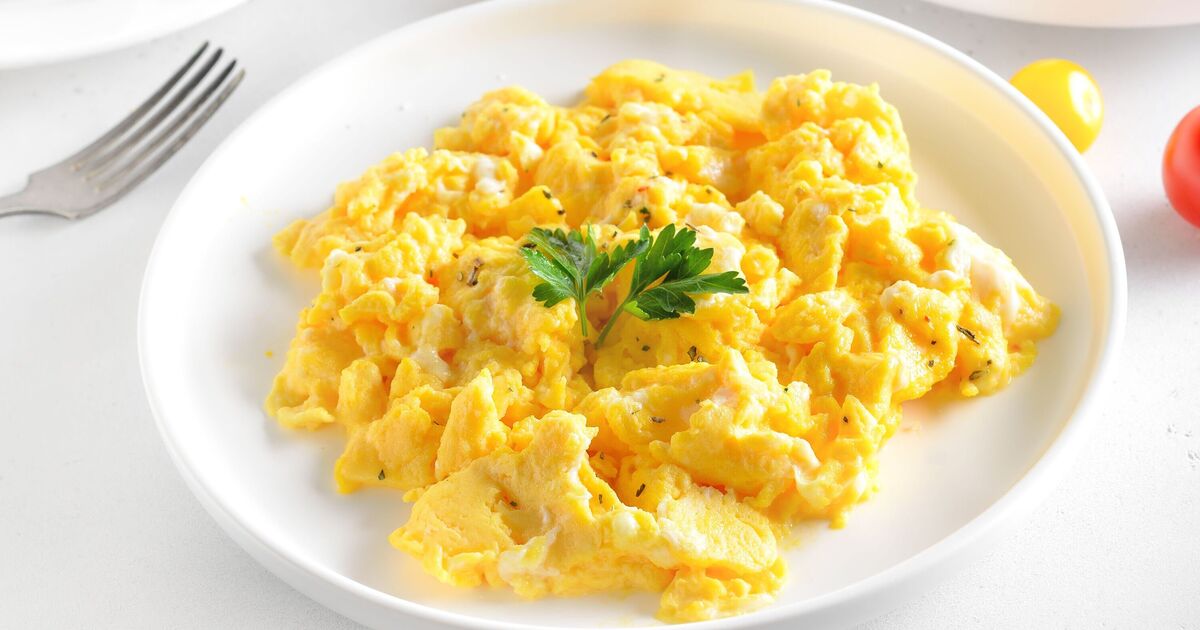
Scrambled eggs taste better if you add in 1 ingredient top chef uses
For anyone tired of serving up overcooked, dry and rubbery scrambled eggs, following a top celebrity chef’s recipe could be a ‘game changer’ – and it doesn’t involve milk. While milk is often used by many people when cooking scrambled eggs as a common habit, many chefs advise against using it.
Milk is mostly water, which waters down the rich, natural taste of the egg. It also turns the vibrant, golden yellow of the yolks into a pale colour. The extra liquid can also separate from the egg proteins during cooking. If overheated even slightly, the eggs will weep liquid and become tough.
Gordon Ramsay says his recipe will “transform your eggs”. His full recipe can be seen on his website, but he has also made various TV appearances to demonstrate his recipe live.
He stresses that the key to making perfect scrambled eggs isn’t just about heat control or seasoning at the end, but it is also about one essential ingredient: crème fraîche.
According to the fiery culinary icon, adding a dollop of crème fraîche right at the end of the cooking process takes the dish to a “completely different level”. He says folding in the cream in cools the pan down, reducing the risk of overcooking, while making them significantly creamier, richer and more delicate.
But the chef doesn’t stop there. To take the dish further, Ramsay will also sprinkle on top freshly chopped chives. While it might seem like a simple garnish, he says the chives cut through the rich, buttery fat of the eggs and the cream, adding a sharp, onion flavour that lifts the eggs.
The success of his recipe is primarily built on Ramsay’s famous “on and off the heat” technique. He also advises against whisking the eggs before putting them into a pan.
Ramsay breaks them directly into a cold pan with knobs of butter and stirs continuously. Speaking on a previous episode of Good Morning America, where he provided a tutorial into cooking scrambled eggs, he said: “Never whisk an egg before it goes into the pan before it goes in to the pan either”.
Explaining his method, he added: “See how I’m clearing [the sides of the pan]. Now come off the heat, then we continue stirring. You know why? Because they continue to cook.”
By constantly moving the pan on and off the heat, the cook maintains absolute control over the consistency, creating those signature small, glossy curds.