DWP confirms anyone on state pension lose 4 benefits – full list | Retirement | Finance

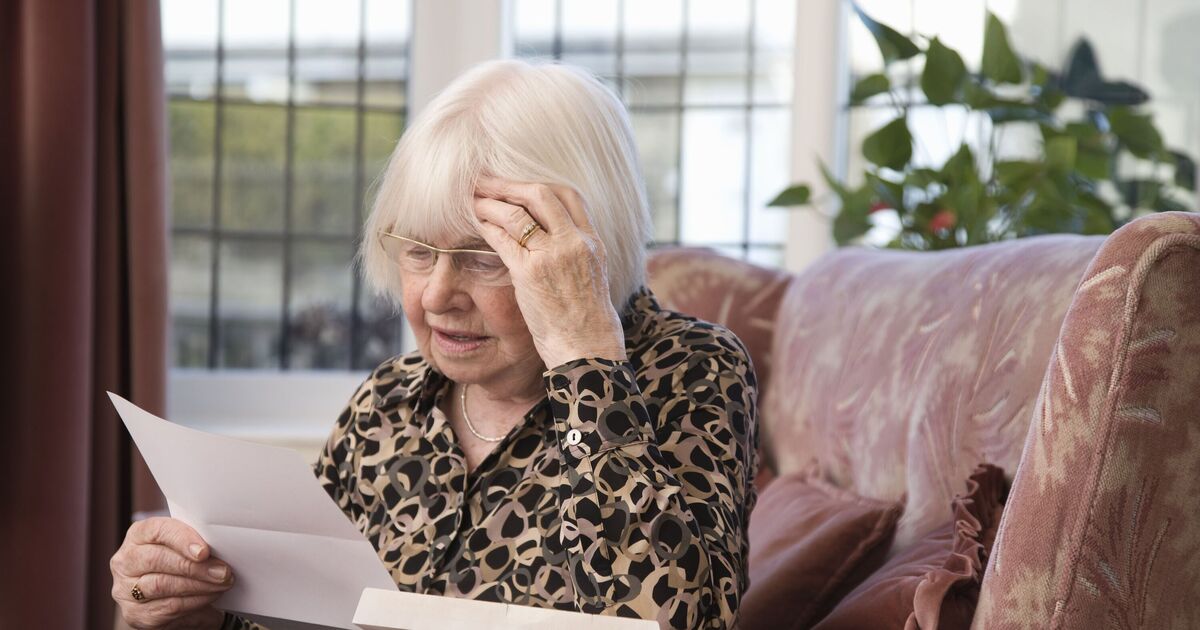
The State Pension age is currently increasing from 66 to 67 (Image: Getty)
Millions of pensioners across Britain are being reminded that reaching State Pension age means they will no longer be eligible to claim several Department for Work and Pensions (DWP) benefits. The latest DWP figures show that 13.2 million people are currently receiving the State Pension across Great Britain, with the New State Pension worth up to £241.30 a week and the Basic State Pension paying up to £184.90 weekly, depending on an individual’s National Insurance record.
However, becoming eligible for the State Pension also marks the end of entitlement to a number of working-age benefits.
Benefits you can no longer claim
According to guidance highlighted by benefits charity Turn2us, people who reach State Pension age or Pension Credit qualifying age can no longer make new claims for:
- Income-based Jobseeker’s Allowance (JSA)
- Income-related Employment and Support Allowance (ESA)
- Income Support
- Universal Credit
Turn2us advises: “If you live with a partner and one of you is pension age and the other is not yet pension age, benefit entitlement can be complicated.”
People reaching State Pension age are also unable to make new claims for Disability Living Allowance (DLA), Personal Independence Payment (PIP) or Adult Disability Payment (ADP).
However, existing claimants may still be able to renew their award after reaching State Pension age if they continue to claim for the same health condition and their previous award ended less than 12 months before they reached pension age.
Bereavement Support Payment and Widowed Parent’s Allowance are also unavailable to people who have reached State Pension age.

Benefit entitlement can get complicated for couples with different ages (Image: Getty)
State Pension age is changing
The State Pension age is currently increasing from 66 to 67 under legislation introduced by the UK Government.
Rather than changing on a single date, the increase is being phased in, meaning people born between March 6, 1961, and April 5, 1977 will become eligible for their State Pension when they turn 67.
A further increase to age 68 is currently planned for the mid-2040s.
To qualify for any State Pension payment, people generally need at least 10 qualifying years of National Insurance contributions, with the amount received depending on the total number of qualifying years built up over their working life.
Benefits you can still claim after State Pension age
Although some working-age benefits stop, many forms of financial support remain available to older people.
Benefits that can still be claimed after reaching State Pension age include:
- Child Benefit
- Carer’s Allowance (although the payment may be reduced depending on State Pension income)
- Guardian’s Allowance
Anyone approaching State Pension age is encouraged to check how the change could affect their benefit entitlement, as some payments will end while new forms of support may become available depending on their personal circumstances.