‘If I want to use my nearest bank I’d have to go 114 miles’ | Personal Finance | Finance

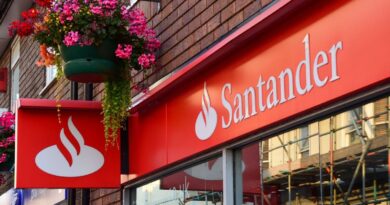
Some people have claimed their nearest bank is over 100 miles away (Image: Getty)
People in the UK are seeing fewer banks on the high street, with dozens more set to vanish before the end of the year. Brits have a number of ways to get access to the help and support they need from their provider, or ways to get around needing access to cash when branches could be miles away.
BBC Morning Live viewers have shared their worries about banks closing on UK high streets, including elderly people afraid to “make mistakes” when using online banking, and others who felt they were “just a number” to banks that leave smaller town centres. It can almost feel like some people may have little choice but to move with the times. One Scottish viewer claimed: “After a recent bank closure, it’s 114 miles between Perth and Inverness, where the main [bank] branch is.”
BBC Morning Live’s Louise Minchin claims that research from consumer group Which? found that an average of 50 bank and building society branches have closed every month since 2015. Despite the rapid decline of high street banks, there are places people can go to get services they cannot get online.
Louise said: “We know banks are closing on high streets at a pace, nearly 7,000 since the beginning of 2015, local branches closed across the UK. That’s 53 [on average] a month and this year alone, 230 branches have closed or are scheduled to close.
“There are lots of reasons for that – and the obvious one is the rise in online banking and fewer people are relying on physical branches, which are expensive to run, especially in small, rural areas.”
Sharing some stats with viewers, Louise claims that the majority of people who do everyday banking (93%) will do so online or using an app.
Aside from the rise of digital banking, other factors are also leading to bank branches closing, including mergers. Instead of high streets having all of these chains serving the same pool of customers, bosses will likely shut down locations and keep just one potentially.
Lots of other spending habit changes have also reduced the need for banks on a daily basis. People are paying for items more with cards than with cash, as well as through ‘buy now, pay later’ schemes, meaning they are not using cash as much in 2026.
?????? Bank branches are closing at a rate of more than 50 a month.
Louise Minchin explains where you can still access banking services if your local branch has closed, and where to find free support if you need help banking online.
Watch ?????? https://t.co/wtHyyA4jkD pic.twitter.com/N8mwDTs1ij
— BBC Morning Live (@BBCMorningLive) June 29, 2026
How can people access alternative services without a bank branch?
As an alternative, the Post Office can also help with some banking needs, such as accessing cash and “simple banking services”. Louise also suggests that people who need access to cash can take advantage of ‘cash at the till’ services available in certain stores.
Louise claims that banks cannot just close and leave nothing behind for customers in towns and villages across the UK. As a provider, they must offer alternatives for customers to “complete most day-to-day tasks”.
For example, there are banking hubs offering shared services for a variety of people in areas without a dedicated branch. Louise said: “Anyone can use them for everyday banking, including withdrawing cash, checking balances and on different days, staff from individual banks can help with more complex issues like talking about a mortgage or your pension.”
These hubs might be in a shared community space, like a library. To find your nearest one, check your bank’s website.