The incredible ‘new Concorde’ with 924mph flights | World | News
NASA’s X-59 aircraft, dubbed the “Son of Concorde”, which could fly from the UK to New York in four hours, has successfully smashed the sound barrier without triggering the usual sonic boom. The experimental aircraft exceeded the speed of sound for the first time after taking off from Edwards Air Force Base in California.
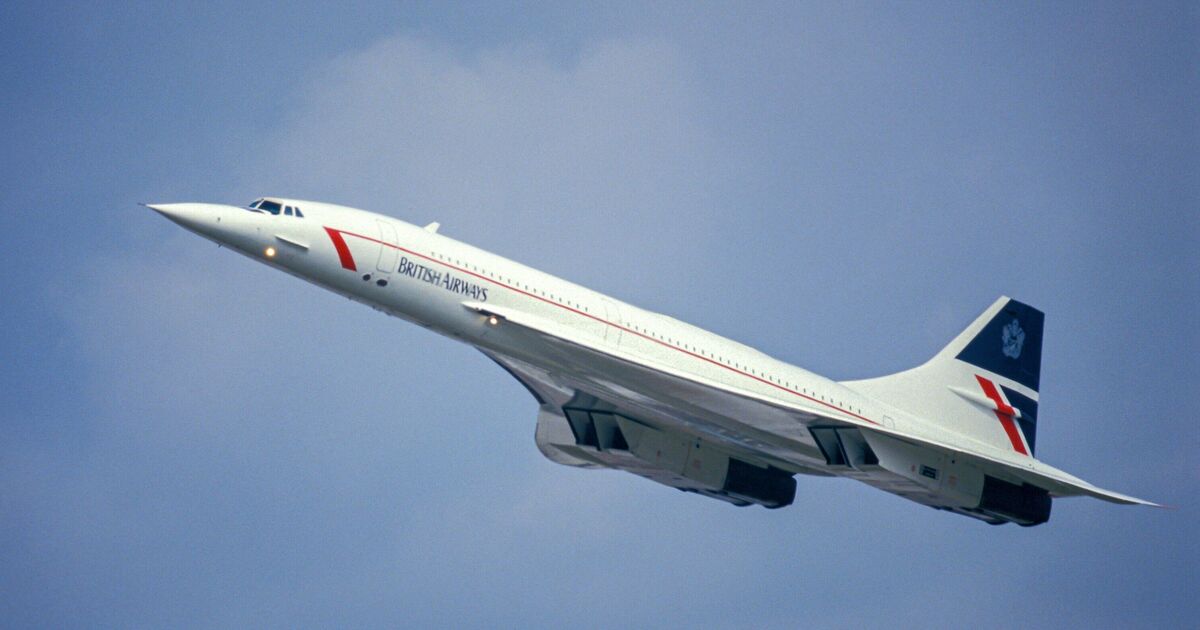
Concorde boasted a maximum cruising speed of Mach 2.04, or 1,354 mph (2,179 kph), more than twice the speed of sound, which allowed it to touch down in New York City in approximately three hours. Conventional commercial flights typically take around seven to eight hours to complete the same journey. On Friday June 5 the needle-nosed X-59 reached a speed of nearly Mach 1.1 (713mph) while completing a 81-minute test flight which saw it fly at an altitude of 43,400 feet, according to the space agency.
“The X-59’s first supersonic flight is a testament to America’s enduring leadership in science, engineering and aerospace innovation,” said Michael Kratsios, assistant to the president for science and technology and director of the Office of Science and Technology Policy.
NASA administrator Jared Isaacman added that the plane was preparing for its “quiet supersonic debut”.
The aircraft has now gone even further after flying at Mach 1.4 (about 924 mph) and an altitude of 55,000 feet on June 12.
“It was a huge deal for us,” said Larry Cliatt, a NASA aerospace engineer leading the second and third phases of the Quesst mission.
With this successful flight, NASA has moved closer to making high-speed passenger travel a reality again, potentially shrinking trips between New York and London to fewer than four hours.
Flights to Washington DC and London could also drop to four hours, potentially reshaping the aviation industry.
On April 27, 1973 the Federal Aviation Administration enforced a ban on supersonic flight over the US due to their ear-splitting sonic booms.
Over the past decade NASA has been working to design an aircraft that can break the sound barrier with a gentle thump rather than a loud boom.
NASA believes the sleek X-59, which measures just under 100ft long, is capable of breaking the speed of sound while producing only a gentle “sonic thump”.
The engine has also been mounted on top of the plane in order for the shockwaves it creates to be directed upwards rather than towards the ground.
Engineers have streamlined the underside of the jet to further lower noise levels.
Further flights will take place over the US to enable NASA to gather feedback on how residents perceive the thump.