Difference between llamas and alpacas explained
Llamas and alpacas may look similar at first glance. Both are domesticated animals from the camel family, Camelidae, native to Peru and Bolivia, along with their wild cousins, vicuña and guanaco. There are actually numerous differences between the two species, from their size to their behaviour.
Perhaps the most obvious difference when looking at the animals is their size. Alpacas are actually smaller than llamas, typically reaching around 90cm high at the shoulder and weighing between 55 and 65kg. On the other hand, llamas usually reach around 120cm in height at the shoulder, and a weight of 113kg.
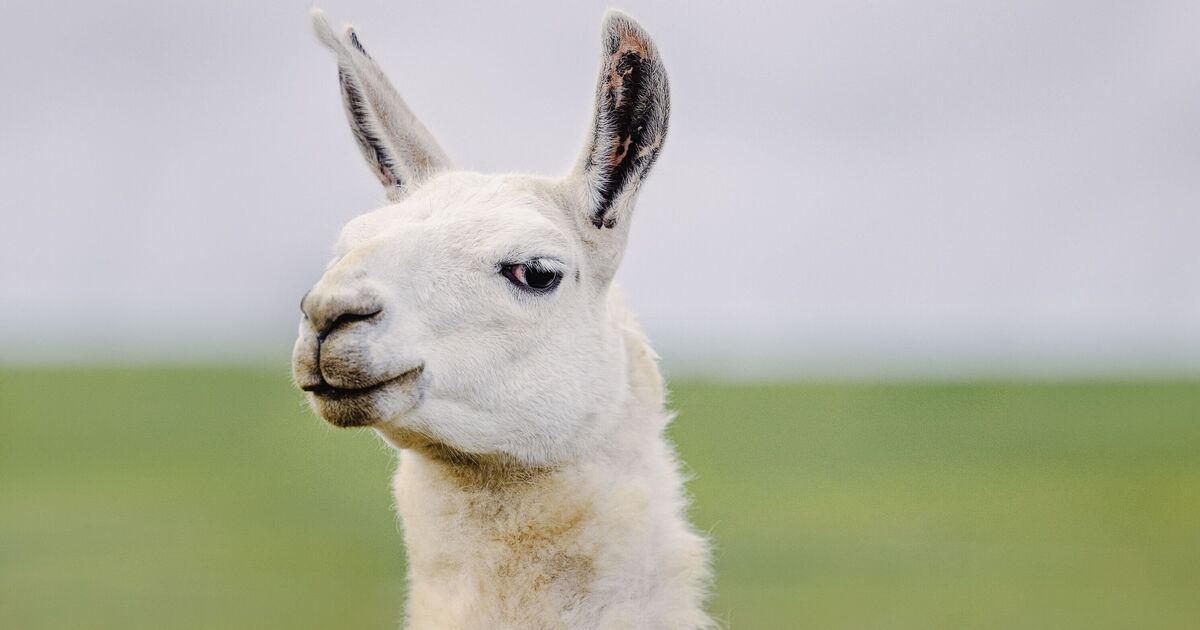
Another clear difference is their ears, with llama ears resembling bananas, while alpaca’s are shorter and more spear-shaped. Similarly, where alpacas have a smooshed-in looking face, llamas’ faces are longer and not particularly smooshed.
While both animals are used by humans to produce wool, their fleeces are actually quite different. Alpacas have shaggy hair, which comes in a greater variety of colours, while llama hair is coarser and does not usually grow as much on their faces.
Although both llamas and alpacas are now used to produce wool, this isn’t usually the priority when breeding llamas. The experts at Modern Farmer write: “For more than 5,000 years alpacas have been bred for fiber (and in Peru for meat as well), while llamas have been bred for the same amount of time as pack animals and meat.”
Similarly, the Encyclopaedia Britannica details the difference in llama and alpaca behaviour, writing: “Llamas get a bad reputation, since, when overloaded or maltreated, they react by spitting, kicking, lying down, or refusing to move.
“Usually, however, they are gentle creatures. Alpacas, on the other hand, are a bit more timid and like to stay with their herd. Llamas can be used as guard animals for livestock like alpacas and sheep.”
Despite these differences, alpacas and llamas can actually breed together, with their offspring being called huarizos or llapacas. These animals will typically have the sturdy body of a llama but the fluffy, high-quality wool of an alpaca.