Stop putting leftovers in the fridge, you must do task first

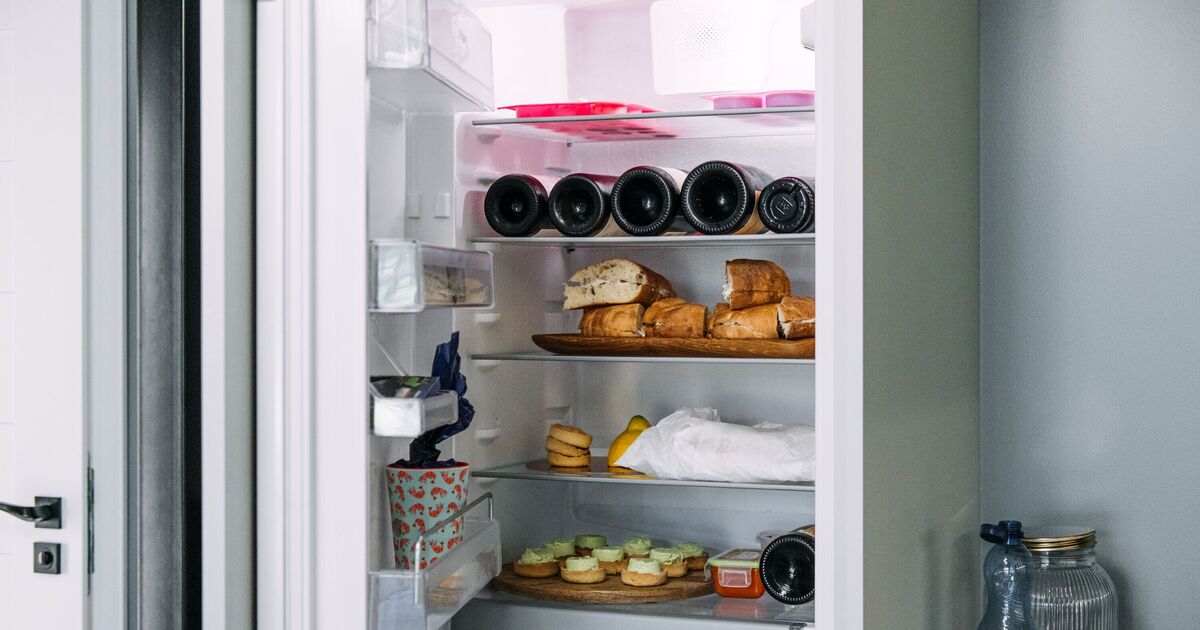
Before putting your leftovers in the fridge, you need to do this task (Stock Image) (Image: Getty)
Nobody wants to waste food, so if you’ve cooked a little bit too much of the delicious meal you’ve devoured and you want to save it, you’ll naturally want to put it in the fridge to savour it at a later time.
As long as food is stored safely, you’ll be able to reheat it and enjoy it later, or keep it cold if that’s what you prefer.
That way, when you come back to your food later, it’ll be delicious, or you’ll be patting yourself on the back that you managed to sort your lunch out for the day after.
However, an expert has shared that there’s something you need to do to leftovers before they make it anywhere near the fridge.
Jade Golding-Gault, refrigeration expert at AO, has shared that there’s a 30-minute task you have to do before any food items go in the fridge – especially during the heatwave the UK is experiencing right now.
Jade said: “When temperatures rise, you might be tempted to store leftovers away immediately, but this does more harm than good. Putting piping hot food straight into the fridge can raise the fridge’s internal temperature, forcing it to work harder and potentially affecting other foods inside.
“It’s best to let food cool slightly before refrigerating. Just make sure you don’t forget about it, and store it once the food has cooled”.
Refrigerators are designed to keep food at or below 4°C to inhibit bacterial growth. When you introduce a large, hot object, it acts like a radiator. It radiates heat, raising the ambient temperature of the entire fridge compartment.
This pushes surrounding foods, like your milk, meat, or the sandwich you’ve made for tomorrow’s lunch, right into the Temperature Danger Zone, which spans from 8°C to 63°C.
By trying to protect your hot food, you inadvertently compromise the safety of the food already sitting next to it, which is less than ideal.
Hot food releases a lot of water vapour. If you cover the container and put it in the fridge hot, the steam condenses on the inside of the lid and drips back onto the food, making it soggy.
If you leave the container uncovered, that moisture escapes into the fridge. It condenses on the cold shelves, walls, and other food packages. Moisture, combined with the temporary spike in warmth, creates the ultimate breeding ground for mould and spoilage.
If the food item is large, the fridge compressor simply can’t pull heat out fast enough, meaning the middle of your food stays dangerously warm for hours while tucked away on the shelf.
Over time, it can also have a drastic effect on your appliance, meaning it may need repair or replacement sooner.
So before you put your leftovers away, make sure you leave about 30 minutes for everything to cool down first. While it’s a little extra effort, it could just save you a nasty bout of food poisoning!