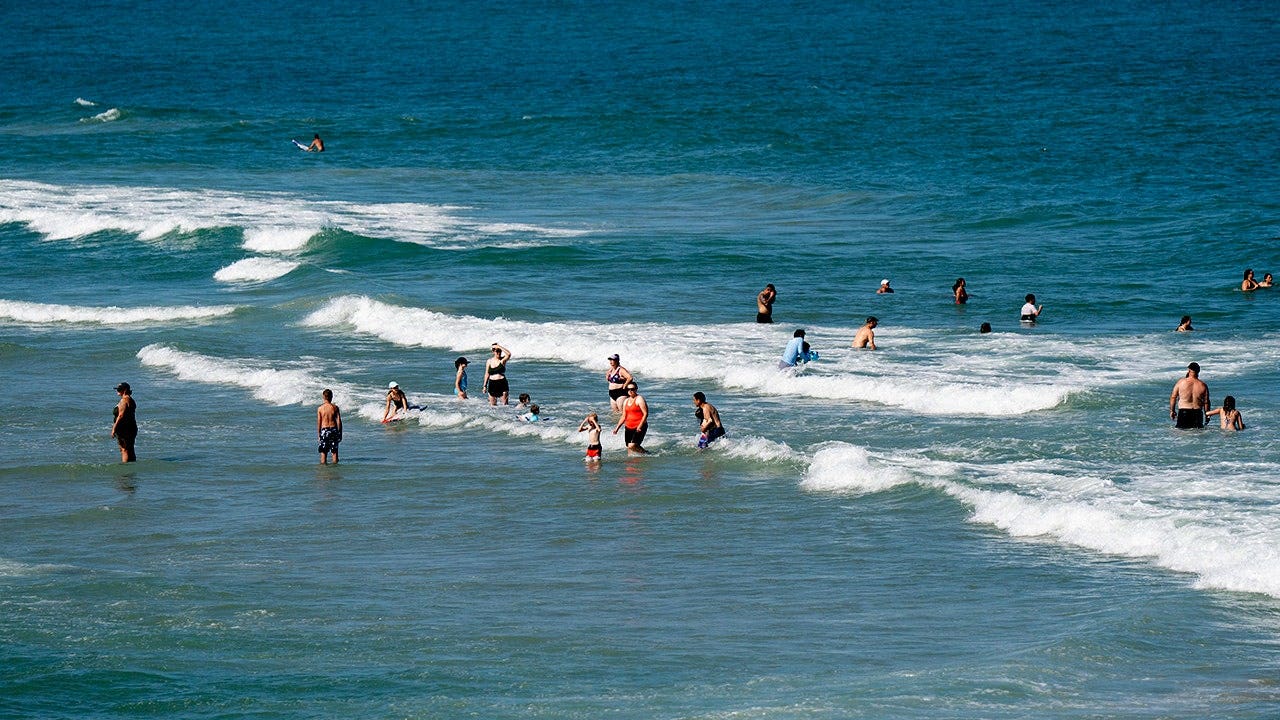
Blacktip sharks expanding migration range to Long Island, study says
NEWYou can now listen to Fox News articles!
As Shark Week puts the spotlight on ocean predators, researchers say blacktip sharks are spending more time farther north along the East Coast, expanding their summer range into areas where beachgoers historically encountered them less often.
Researchers at Florida Atlantic University say warming ocean temperatures are reshaping the sharks’ annual migration, allowing them to travel farther north before returning south for the winter, according to FOX 35 Orlando.
For more than a decade, researchers have tracked blacktip sharks along the East Coast using aerial surveys and satellite tags. Their data shows the sharks travel north each spring, with many reaching as far as Long Island, New York, by late summer, the outlet reported.
SHARK SIGHTINGS SPIKE NEAR AMERICA’S BEACHES AS JULY 4 CROWDS HEAD TO SHORE FOR WEEKEND
As waters continue to warm, researchers expect the sharks to push even farther north while spending less time in South Florida during the winter.
“They are just like us. They like our air-conditioned temperature,” Dr. Stephen Kajiura, a Florida Atlantic University professor who has studied blacktip sharks for about 15 years, told FOX 35 Orlando.

Researchers say blacktip sharks are extending their stay farther north along the East Coast. (Bernd Weißbrod/picture alliance via Getty Images)
“Our room temperature is 72 or so. [That’s] the perfect temperature for these blacktip sharks,” Kajiura said.
Researchers are already seeing evidence of that shift, with blacktip sharks occurring farther north, including off Long Island, where beachgoers historically encountered the species less frequently, Kajiura noted.
CLICK HERE TO SIGN UP FOR OUR LIFESTYLE NEWSLETTER
As blacktip sharks swim close to shore, they are among the species beachgoers are most likely to see.
“These are the ones that are in close proximity to the surfers and the swimmers,” Kajiura said. “That’s the species that’s most likely to have encounters with people.”
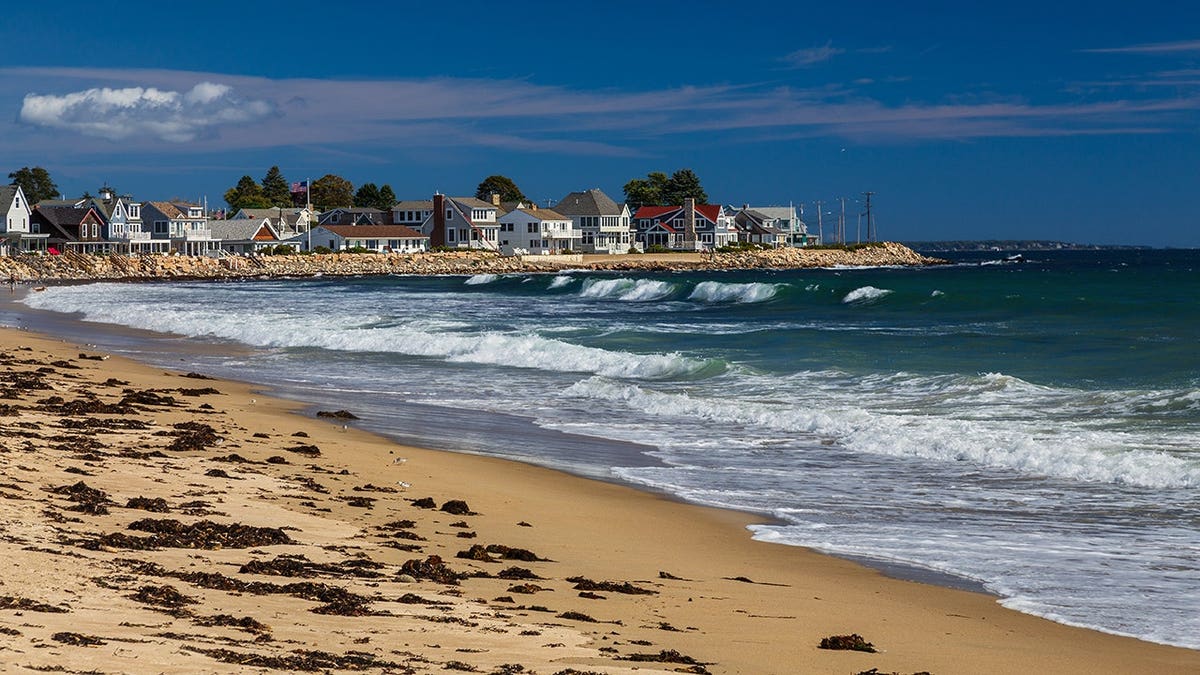
As waters continue to warm, researchers expect the sharks to push even farther north. (iStock)
The migration research comes as a new Florida Atlantic University study suggests beach nourishment projects may also influence where blacktip sharks gather during their annual winter migration.
The study, published in the Journal of Coastal Research, found the sharks consistently stay within about 50 meters of the shoreline.
TEST YOURSELF WITH OUR LATEST LIFESTYLE QUIZ
Murky water created by beach nourishment projects could make it harder for the sharks to hunt, potentially changing their behavior and increasing the chances of accidental encounters with people, researchers said.
“What’s striking is how closely the distribution of blacktip sharks overlaps with areas impacted by turbidity events,” Kajiura said in a Florida Atlantic University news release.
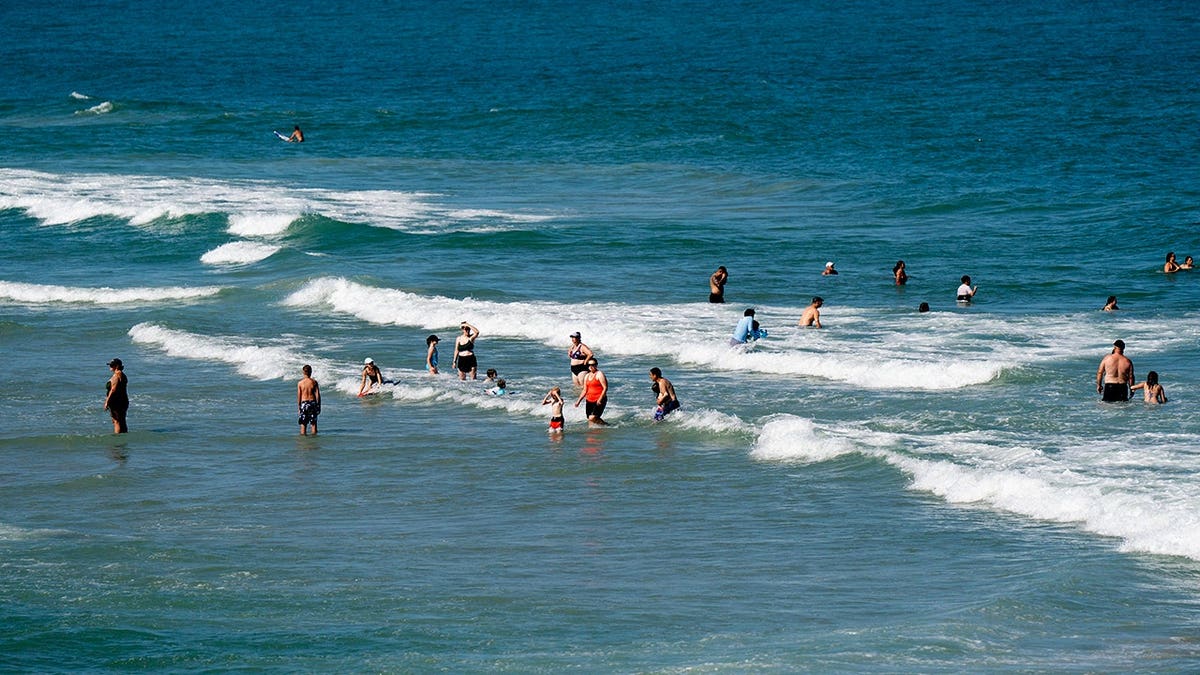
Murky water from beach nourishment projects could make it harder for sharks to hunt, potentially altering their behavior and increasing the likelihood of accidental encounters with people. (Allison Joyce/AFP via Getty Images)
Researchers said beach nourishment remains an important way to protect coastlines from erosion, but the findings highlight the need to better understand how those projects affect marine life.
CLICK HERE FOR MORE LIFESTYLE NEWS
Despite the changing migration patterns, Kajiura stressed that shark encounters remain rare and said people shouldn’t let the research keep them out of the water.
CLICK HERE TO DOWNLOAD THE FOX NEWS APP
“The chances of you having a negative encounter with a shark are so minuscule,” Kajiura said. “Don’t let that diminish your ability to take advantage of the beautiful beaches we have here in Florida.”