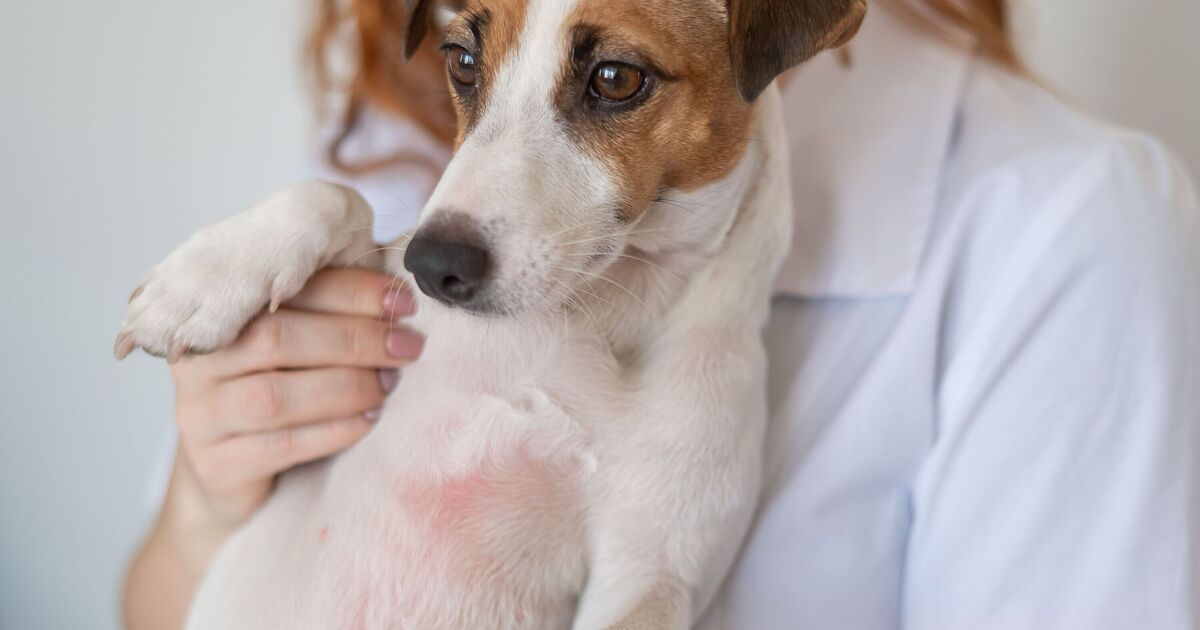
Common signs your dog could be suffering from sunburn

A vet nurse is urging dog owners to look out for this sign of sunburn (Image: Getty)
As the temperature in Britain reaches record-breaking highs this summer, humans aren’t the only ones feeling the effects of the scorching heat. With heatwave after heatwave hitting several parts of the country, pet parents are being warned to look out for signs of sunburn in dogs, with our four-legged companions being just as susceptible to the skin condition as humans.
Now, a veterinary nurse is cautioning pet owners to look out for signs their fur baby is suffering from sunburn, including two extremely common gestures that may be misread if not watched out for.

It’s essential to protect your dog if you intend to spend a long time out in the sun (Image: Getty)
Leah Callaghan, vet nurse at Butternut Box, shares: “Just like people, dogs can get sunburn, especially those with white or light-coloured coats, pink skin, or thin fur on areas like the nose, ears and tummy. Early signs often look quite similar to what we’d expect in people.”
Signs your dog may be sunburnt
A vet nurse has cautioned that two incredibly common behaviours dogs exhibit could signal something a little more worrying in hot weather — licking or rubbing a particular area more than usual.
Leah cautions that some dogs “may start licking or rubbing the affected skin more than usual”.
The vet nurse has outlined the warning signs to watch out for: “The skin may appear pink or red, feel warm to the touch, or seem unusually sensitive if you stroke the area. Some dogs become itchy or uncomfortable and may start licking or rubbing the affected skin more than usual. If the burn is more severe, you might notice swelling, flaking or blistering, which is a sign the skin has been more significantly damaged.”
How to protect dogs from sunburn
The animal expert has shared several straightforward and easy measures through which you can shield your beloved dogs from harmful UV rays: “Apply similar sun-safety principles as you would for yourself, avoid the strongest midday sun, provide shade and fresh water, and protect vulnerable skin.”

UK dogs are feeling the effects of the scorching heat (Image: Getty)
She adds, “If you’re spending time outdoors, make sure your dog always has access to shade and plenty of fresh drinking water. For dogs with exposed skin or very light-coloured coats, a pet-safe sunscreen recommended by your vet can provide additional protection on vulnerable areas like the nose and ears.”
Leah does offer a word of warning, though: refrain from using human sunscreen on dogs unless their vet has explicitly confirmed it is safe, as many products contain ingredients that could be harmful if dogs lick them.
Soothing a sunburnt pet at home
The vet nurse advises: “If you think your dog has mild sunburn, the first thing to do is move them out of direct sunlight and into a cool, shaded spot. Make sure they have plenty of fresh drinking water and let them rest somewhere comfortable while the skin has a chance to cool down.”
Leah adds: “Try to avoid using creams, lotions or home remedies unless they’ve been recommended for dogs, as products made for people can contain ingredients that aren’t safe if they’re licked.
“If your dog seems uncomfortable, develops blistering, has large areas of sunburn, or is showing signs of being generally unwell, it’s always best to contact your veterinary practice for advice. Getting them checked sooner rather than later can help keep them comfortable while the skin heals.”

A few subtle signs can signal your fur baby is suffering from sunburn (Image: Getty)
Top tips for protecting dogs from the sun
Sun safety extends well beyond simply protecting your dog’s skin, the vet nurse points out. Pavements, sand and artificial grass can become surprisingly hot in direct sunlight, making it absolutely imperative to check the ground before heading out for a walk with your pooch.
An easy way to check this is by placing the back of your hand on the ground for a few seconds. If it’s too hot for your hand, it’s definitely too hot for your dog’s paws.
Leah also has a word of advice for double-coated breeds: “For most double-coated breeds, the coat helps insulate against both heat and UV exposure. Regular brushing to remove loose undercoat is usually more beneficial than shaving unless advised by your vet or groomer.”
While it may feel like there’s no threat on a cloudy and overcast day, that doesn’t automatically mean your dog is shielded from the sun. The vet nurse recommends that if you’re planning to spend an extended period outdoors, it’s still worthwhile to consider shade and sun protection.
Leah explains: “Whether you’re heading to the beach, a park or a pub garden, make sure there’s somewhere your dog can get out of the direct sun. Having a cool, shaded spot to rest helps them stay comfortable and regulate their body temperature.”
The vet nurse continues: “It’s also a good idea to check the weather before you head out. Once temperatures climb above 21°C, many dogs start to struggle with the heat, especially if they’re out in direct sunlight for long periods.”
Lastly, the dog expert urges certain pet parents to be especially cautious: “Dogs with pale noses, white fur or sparsely haired ears are often more vulnerable to sunburn than owners realise. Those exposed areas are worth checking after any prolonged time outdoors.”