Federal workers sour on government work, decrying eroding job security
Nearly two-thirds of U.S. federal workers said they wouldn’t enter public service again, citing eroding job security and benefits, according to a recent poll of active and retired government employees.
Respondents’ views overwhelmingly reflected concerns about the current federal climate, rather than regret over having chosen careers in government, the National Active and Retired Federal Employees Association (NARFE) found in a July survey.
The Trump administration has made sweeping cuts to the federal workforce by eliminating jobs and weakening civil service protections. In 2025, the White House announced a number of executive orders to slash government jobs, including a hiring freeze on civilian workers and directives to federal agencies to reduce their rolls.
President Trump has said there are too many federal workers, pushing to reduce the size and scope of government while making agencies more efficient.
“The worst times in my career”
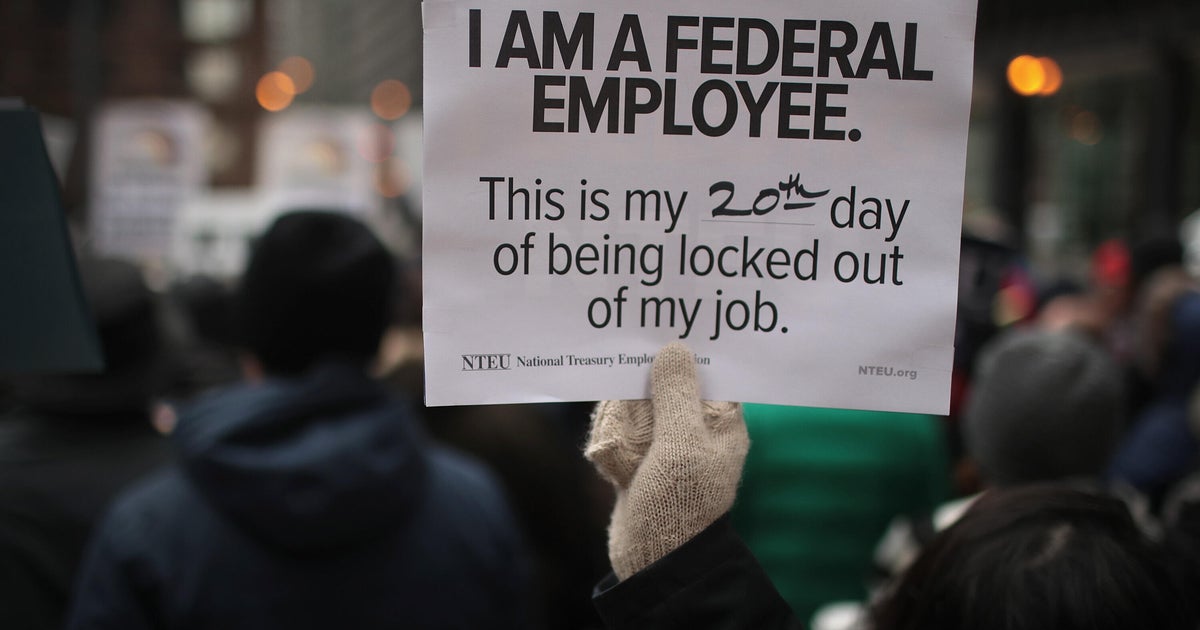
Workers’ perceptions of public-sector careers also reflect struggles many of them faced during a 43-day-long impasse in late 2025 — the longest government shutdown in modern U.S. history. Workers deemed essential, such as air traffic controllers, were required to work without pay, while others were furloughed.
“I probably served the American people for more than 20 years. The first few months of this administration were the worst times in my career,” one government worker told NARFE, according to the group, which advocates for pay and benefits protections for federal workers and retirees. “The work environment was outright hostile, confusing and under-resourced. (No toilet paper or hand soap).”
“No respect, no protections, poor treatment,” another survey respondent said.
“For many people, the draw of working for the federal government is serving a mission they support on a nonpartisan, professional basis,” John Hatton, vice president of policy and programs at NARFE, told CBS News. “It’s separated from the political system, to a large degree. But we’re seeing a real erosion of nonpartisan, professional service.”
Enticing people to work in government may require new incentives, including higher pay, Hatton added.
“If you can’t get skilled people who have professional experience and meet the standards of the job because the culture of the organization is changing, that’s going to be detrimental for the provision of services to the American people,” he said.
A harder sell
According to a 2024 Congressional Budget Office report, federal workers with a bachelor’s degree, comprising about one-third of the federal workforce, earned roughly 10% less than comparable workers in the private sector. Civil servants with a professional degree or doctorate earned almost 30% less than their counterparts in the private sector, according to the report.
If lower-paying government jobs no longer promise job security, they become less appealing than private-sector alternatives and could hamper recruiting efforts, Hatton said.
“Typically, people saw these jobs as not offering the same prospect of monetary reward as you got in the private sector, but you get security, you support a mission, and that balance for job candidates is starting to fall apart,” he said. “So you’re going to have to create some other incentive to bring them into the workforce.”