Saudi Arabia accuses Houthis of attacking Mecca, warns holy city is a ‘red line’
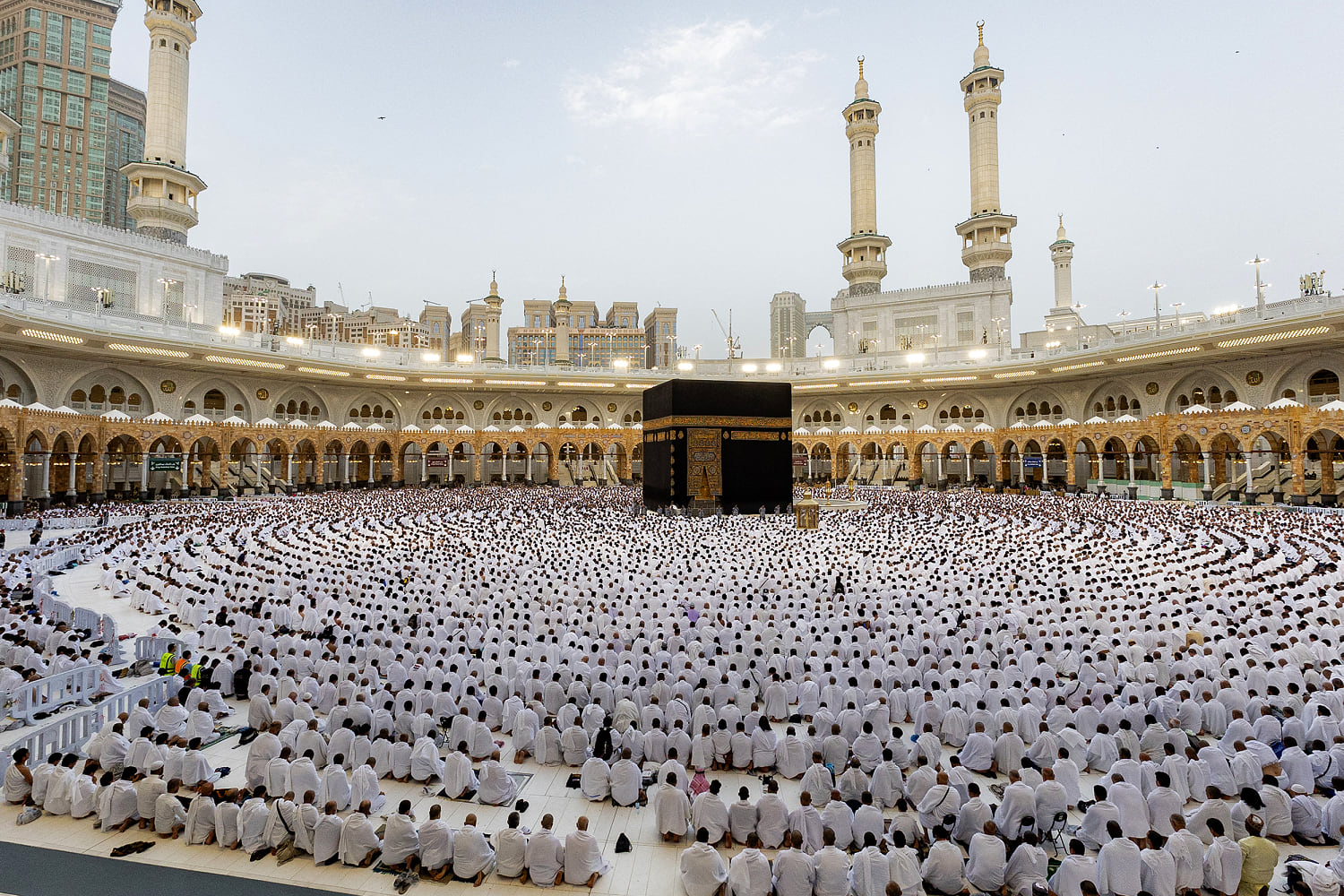
Saudi Arabia has accused the Iran-backed Houthi rebels of attempting to attack Islam’s holiest city, declaring Mecca a “red line” in the escalating conflict.
The kingdom’s claim drew condemnation from across the Middle East, but no immediate sign of military support as fears grew of a return to all-out war between the key U.S. ally and the Yemeni rebels.
The Houthis swiftly denied targeting Mecca, saying their operations had targeted Saudi oil facilities and military bases, “far removed” from the sacred site of the birthplace of the Prophet Muhammad. They accused Saudi Arabia of spreading “fabrications and lies.”
The Houthis’ rapid ground advance in Yemen and aerial attacks on Saudi Arabia have shut down a crucial oil pipeline, threatened energy supplies through a second major shipping route and left the kingdom struggling to respond.
The mounting hostilities have threatened to open a second front in the Iran war, with oil and gas prices rising. President Donald Trump has so far offered no sign of any U.S. plans to intervene in this new theater.
The United States on Wednesday upgraded its travel advisory to Saudi Arabia to Level 3 amid the escalating conflict, warning Americans to “reconsider travel” to the kingdom and banning government employees from travel near the Yemen border.
Saudi military spokesman Maj. Gen. Turki al-Malki said Wednesday that the country’s air defense forces had intercepted the drone south of Mecca just before 7 p.m. local time on Tuesday (12 p.m. ET), according to a statement.
He emphasized that the security of the holy city and of pilgrims was a “red line,” warning there would be no hesitation to take “necessary and deterrent measures” against the Houthis, the statement said.
Mecca is known as the birthplace of the Prophet Muhammad, with millions of Muslims from around the world making the pilgrimage to the holy city each year.
“While the Houthis and Saudi Arabia trade barbs over whether the target was Mecca or not,” said Adam Baron, a fellow at New America, a think tank based in Washington, D.C., who follows Yemen and the wider Gulf region, “what is clear is you’re seeing a real demonstration of the Houthis’ continued strategic depth.”
He added: “The fact that they were able to strike this deep in Saudi Arabia is really a signal toward their capacity, if not future intentions.”
The Iran-backed rebels have ramped up attacks on cities across the kingdom after also capturing a key Red Sea port city and island in their bid to gain control of the crucial Bab el-Mandeb strait.
Oil prices have soared over fears that the Houthis could shut down the waterway, which has been a crucial transit route for Saudi Arabian oil exports with the Strait of Hormuz largely closed by Iran since the U.S. and Israel launched their war in late February.
The international benchmark, Brent crude, was at around $108 per barrel early Wednesday. The nationwide average cost of diesel fuel hit another all-time high of $6.31.
Pakistan’s Prime Minister Shehbaz Sharif condemned the alleged Mecca attack as a “dastardly and heinous” act.
Sharif, who recently agreed a joint defense agreement with Saudi Arabia, did not directly mention the Houthis in his statement, but reiterated Pakistan’s general support for the kingdom.
The U.S. conducted a deadly bombing campaign against the Houthis last year, but has shown little appetite for another.
Trump said over the weekend that the Houthis had called his administration and said they “don’t want to fight with us.” Speaking with reporters during a visit to Dublin, Ireland on Saturday, he said he also spoke with Crown Prince Mohammed bin Salman and maintained that everything would “work out fine and dandy” in the region.
The Houthis and the opposing coalition backing the internationally-supported Yemeni government have been fighting a civil war since 2014, with no clear resolution despite a truce agreed years ago.
The United Nations Security Council met on Tuesday in an emergency session to discuss the rising violence in Yemen, the region’s poorest country, with member countries urging for de-escalation.
The U.N. warned that the ongoing clashes between Saudi-backed Yemeni Government forces and Houthi rebels have displaced at least 125,000 people since the start of September.