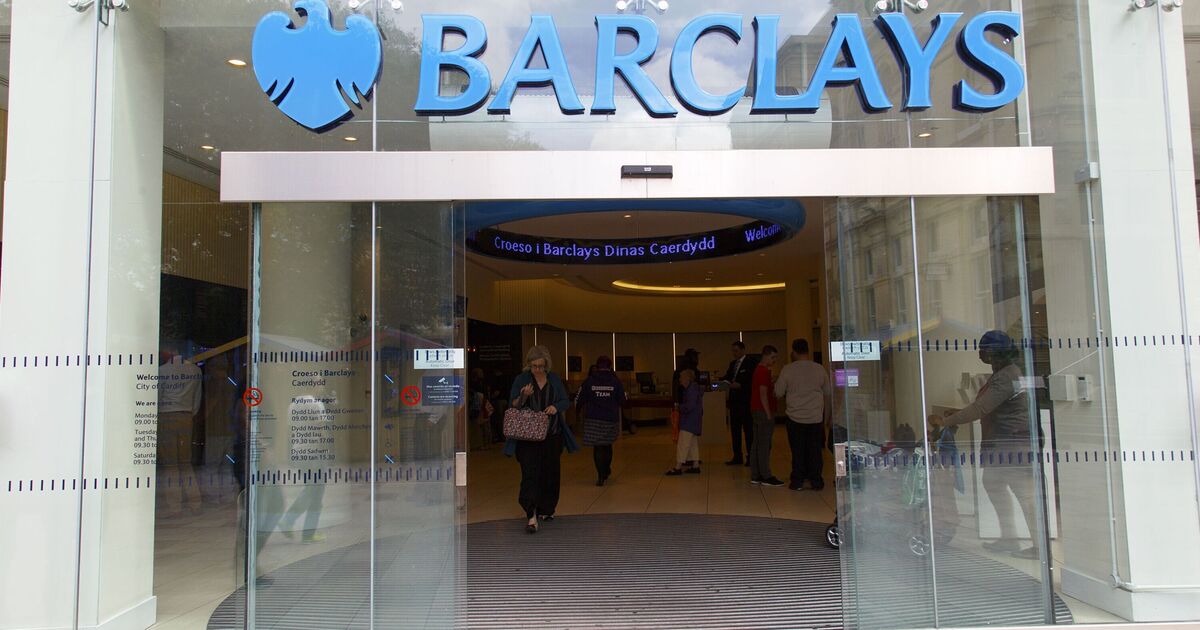
Barclays issues direct debit warning to all customers | Personal Finance | Finance
A major bank has warned customers to watch out for ‘free money’ or other bargain offers being sent to them. Barclays shared the alert for all UK customers in a post on its social media.
Posting on Instagram, Barclays told customers to “watch out for red flags” when they’re browsing online. The bank said this includes promises of free money or claims that “feel too good to be true.”
In a safety alert, Barclays shared an example of a suspicious video. In the post, a team member acting as a fraudster told viewers: “You can claim back thousands from your direct debits. I can show you how to get it refunded.”
She was then interrupted by a colleague. Offering advice, the Barclays employee said: “If you’re still watching, that means you might need to learn about how to spot a direct debit scam. Videos like this, where someone offers you something that’s too good to be true, are often fraud. Remember to never share your bank details with a stranger. And if you see videos like this on your feed, remember to ignore them, block them, and move on.”
In the post’s caption, Barclays added: “The best way to protect yourself from social media scams is to block any accounts that post this type of content. Remember to watch out for red flags, like being offered ‘free money’ or any other claims that feel too good to be true.”
More information about common scams and fraud prevention tips can be found on the Barclays website. The bank said: “Fraudsters try to appear legitimate, so it’s important to be vigilant. Contact us straight away if you think you may have been the victim of fraud or a scam.”
According to Barclays, common types of fraud include card fraud, where a criminal steals your card details; identity fraud, where your personal information is targeted by fraudsters trying to open loans and credit cards in your name; and card machine fraud, which sees criminals take your card and empty your bank account.
Online scams could include phishing attempts. Barclays explained: “You get an email, text message or call claiming to be from a company or organisation you trust, like your bank or the police.” Adding mobile malware to your phone is another tactic used by criminals.
The bank said: “Criminals sneak harmful software onto your mobile device. They hide it in apps and updates so you install it without realising. Once installed, the software can steal your personal details and passwords, then log in to your apps.”
Contact your bank immediately if you have lost any money or spot an unauthorised transaction. If you think you’ve been scammed, call your bank, stop all contact with the scammer, report the fraud to Action Fraud, and change compromised passwords.
Secure your devices, check bank statements for further issues, and report suspicious emails to report@phishing.gov.uk.