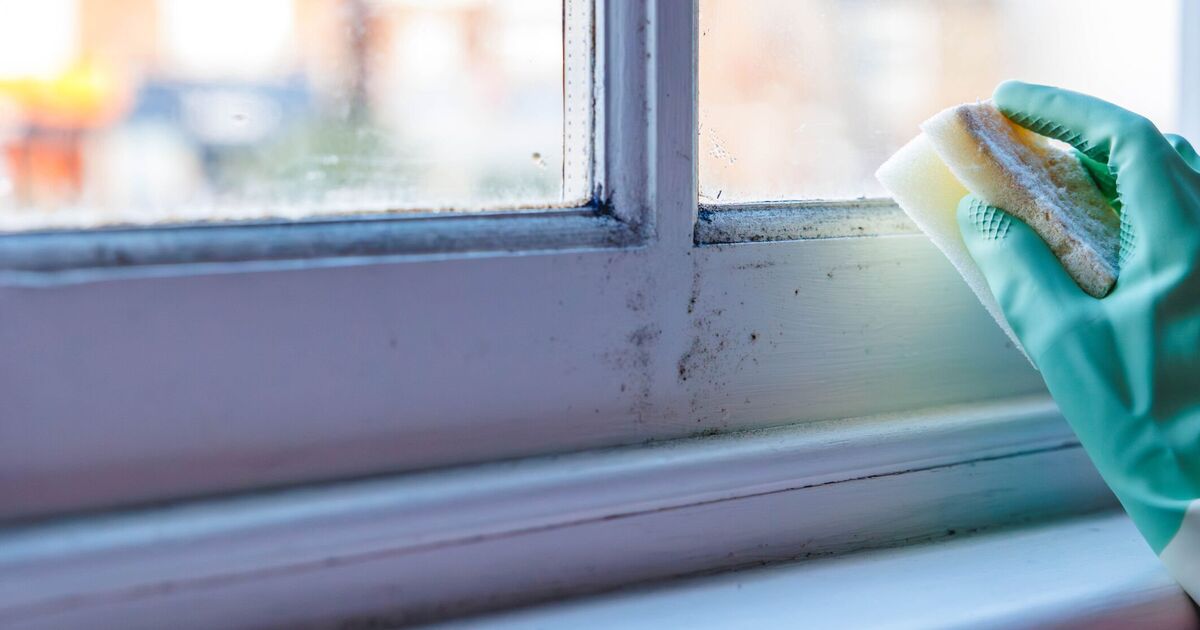
Black mould will vanish from windows with 1 simple food item
UK households are being urged to fight black mould using a simple ingredient that’s likely already in their fridge. This common food item offers an easy and effective way to tackle mould without resorting to harsh chemicals. Black mould isn’t just unsightly; it can also pose serious health risks if left untreated.
According to window specialists at Scott James: “Black mould releases spores known as mycotoxins, which are like invisible dust. Inhaling the spores can harm airways and lungs and can also have adverse effects on the skin and nervous system.” Luckily, there’s a straightforward solution that can make a big difference; here’s how to use it to keep your home clean and safe.
What is black mould?
Black mould is a common issue in many homes, especially during colder months. It often appears as black patches but can also look dark green and can have a slimy, wet texture.
The mould typically develops around windows where moisture levels are high. Common causes include leaking window frames, poor roof repairs, inadequate heating, leaking pipes or taps, rising damp, and condensation.
Bathroom and kitchen windows are the most frequent spots for mould, as these areas have the highest levels of moisture and condensation.
How to get rid of it
Although chemical cleaning products can be effective at tackling a variety of messes, they are often not designed with the user’s health in mind. Many contain substances that can be harmful if inhaled and toxic if ingested.
According to the Olorado Property Group, lemon juice is a great natural solution to remove mould. They explained: “Its 5% acid content makes it effective in eliminating mould.
“Lemon juice can be freshly squeezed or purchased as a concentrate. To clean mould, it should be used full strength. It can be applied using a spray bottle or by soaking with a scrubber sponge.”
The experts added: “Lemon juice treatment of mould should start by using simple soap and water to begin the cleaning process. Once rinsed, apply the lemon juice directly to the mould.
“Scrub the area immediately with a brush or scrub sponge. As with other treatments, the process should be repeated until satisfactory results are achieved.”
Other tools you need for mould removal depend on the area and surface size. Large infestations may require isolating the space with plastic sheets and using a dehumidifier, while smaller areas usually just need a brush (metal for wood, soft for fabrics, or a toothbrush for tight corners) and a spray bottle with an adjustable mist.