CIA intelligence led to strike that killed Khamenei in Iran, source says
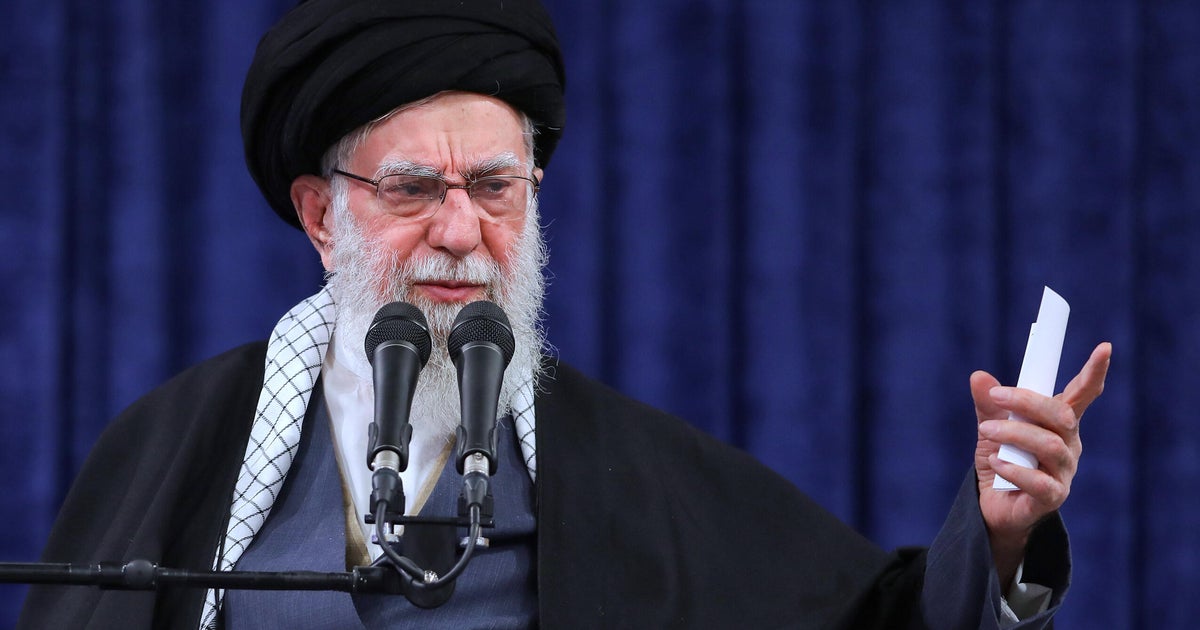
Intelligence gathered over months by the CIA and shared with Israeli counterparts led to the missile strike that killed Iranian Supreme Leader Ayatollah Ali Khamenei and other senior Iranian officials on Saturday, a person familiar with the matter confirmed to CBS News.
The spy agency had been tracking Khamenei’s location for several months before Saturday’s joint U.S.-Israeli strikes, gaining deeper insight into his whereabouts as he moved around. The agency then learned about a Saturday morning meeting of senior Iranian officials at a compound in Tehran that Khamenei was expected to attend.
That insight, relayed to Israeli counterparts, accelerated the timeline for a strike to capitalize on the opportunity, the person, who spoke on condition of anonymity to discuss sensitive intelligence matters, told CBS News.
In an interview with GOP Rep. Mike Turner of Ohio, CBS News’ “Face the Nation” moderator Margaret Brennan asked directly whether the U.S. had carried out the strike on Khamenei. Turner said that he had spoken with Secretary of State Marco Rubio, who “was very clear in the answer that we did not target Khamenei, and we were not targeting the leadership in Iran.”
Khamenei, who was Iran’s top religious figure and its head of state during his nearly 40-year rule, was killed in his compound in Tehran on Saturday by an Israeli missile strike. Iranian state media confirmed the death early Sunday, hours after President Trump said Khamenei had been killed in the joint U.S.-Israeli operation.
The New York Times was the first to report on the CIA’s involvement in tracking Khamenei before his death.
Pleiades Neo (c) Airbus DS 2026 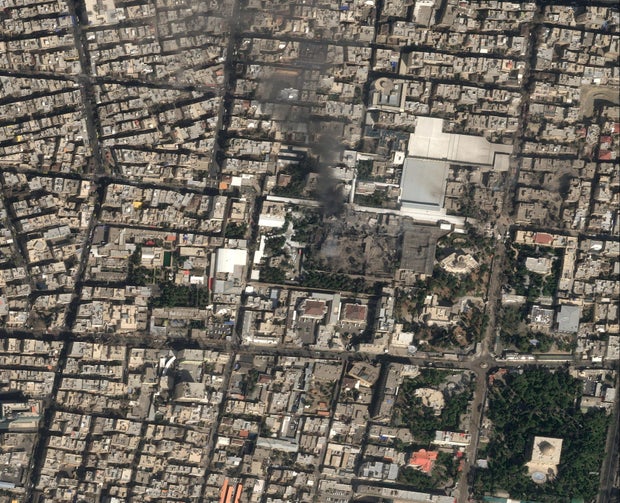
Sen. Tom Cotton, chairman of the Senate Intelligence Committee, told “Face the Nation with Margaret Brennan” that while he would not share details about the intelligence used ahead of the strikes on Iran, the U.S. had “exquisite intelligence collection methods.”
“The location and the intentions of the supreme leader and the other ayatollahs in Iran, or for that matter, the leaders of other adversaries around the world, is obviously one of the highest priorities of our intelligence community,” he said. “But clearly, this operation is driven by intelligence collected by Israel and the United States that has once again proven that our nations have capabilities that no other nation on Earth has.”
Khamenei, 86, had served as Iran’s supreme leader since 1989, taking the helm after the death of Ruhollah Khomeini, the architect of the country’s 1979 Islamic Revolution. Over nearly four decades, Khamenei consolidated authority over every branch of government and the armed forces, wielding ultimate political and military power while also occupying the role of the nation’s highest religious authority.
It remained unclear who will succeed him, but Iran’s top diplomat said Sunday that the country’s ruling clerics could elect a new supreme leader within a couple of days.
In an interview with CBS News on Saturday, President Trump said that “there are some good candidates” to lead Iran in the wake of Khamenei’s death but did not elaborate. When asked if he knew who was calling the shots in Iran, Mr. Trump responded, “I know exactly who, but I can’t tell you.”