Common sleep position could make skin age quicker says NHS doctor

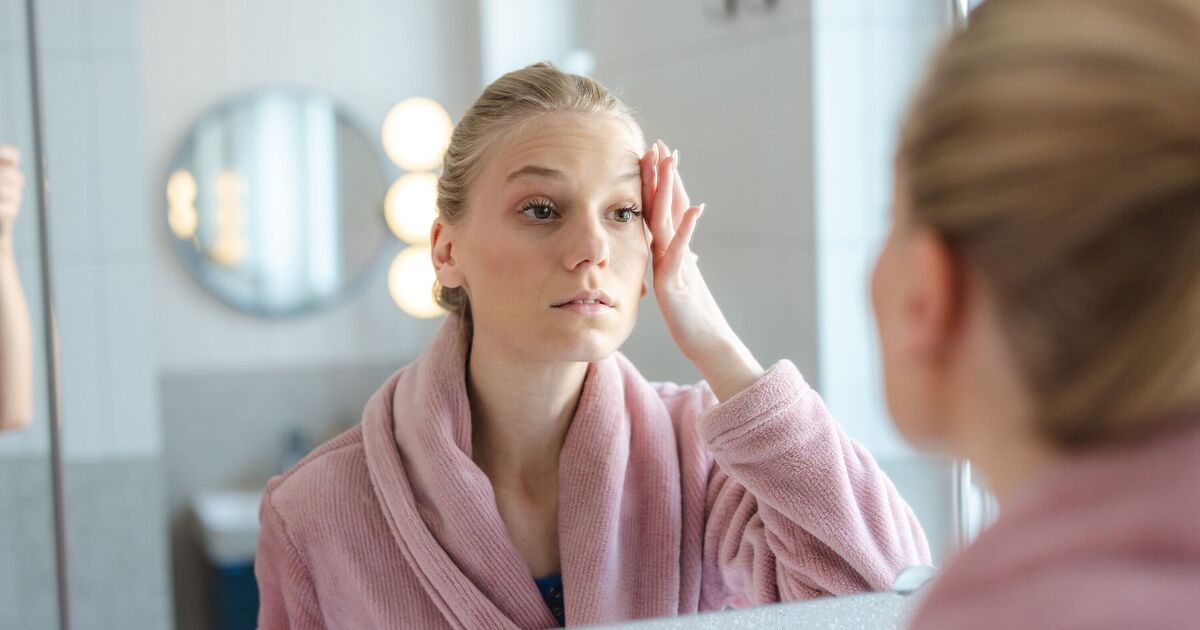
An NHS doctor has shared ways yoru skin might start to age quicker (stock image) (Image: Getty)
An NHS GP has revealed four everyday habits that accelerate skin ageing, including one common sleeping position. However, there are methods to prevent it.
Most individuals will aspire to look and feel their absolute best. While maintaining a healthy diet, staying active, and caring for your skin are fundamental steps towards achieving this, certain everyday habits may unknowingly be causing your skin to age more rapidly.
To assist, NHS GP Dr Raj Arora has highlighted four widespread habits that could influence how quickly your skin ages, along with guidance on how to prevent it.
Speaking on Instagram, where she boasts over 66,700 followers, Dr Raj regularly shares her preferred health advice and insights, while also having featured on ITV’s This Morning and Sky News. In a recent video, she revealed which habits can make your skin appear older.
“Some of the biggest causes of skin ageing aren’t what you think,” she wrote in the caption of her post. She continued: “Small habits big impact over time. It’s not always about what you add to your routine sometimes it’s what you need to stop.”
Read more: ‘This peptide serum has transformed my 60-year-old skin’
Read more: ‘Luxurious’ £10 retinol serum leaves skin ‘healthy and glowing’
Sleeping on your side
While sleeping on one’s side ranks amongst the most popular sleeping positions, Dr Arora explained that this particular habit could accelerate skin ageing.
This occurs because repeatedly pressing your face against a pillow for extended periods creates “sleep wrinkles” (compression lines) caused by pressure and friction, which may ultimately become permanent. This practice frequently results in deeper wrinkles, skin creases, and facial asymmetry, particularly as skin loses its elasticity with age. Habitually sleeping on one side can also cause that side of the face to develop more pronounced lines or appear more aged than the other.
Rather, numerous experts suggest that the optimal position to prevent sleep wrinkles is on your back, which prevents direct facial pressure.
Should you find yourself sleeping on your side regardless, you can begin using silk or satin pillowcases, as these minimise friction, tugging, and pulling on the skin compared to cotton. There are also anti-ageing or ergonomic pillows available which can help reduce face-to-pillow contact.
Not using SPF
Moving on, Dr Arora continued to encourage people to ensure they’re applying SPF daily, as failing to do so is the primary cause of premature ageing, responsible for up to 80-90% of visible skin changes such as wrinkles, leathery texture, and dark spots.
Research has demonstrated that UV rays harm collagen and elastin, resulting in saggy, uneven skin. Daily SPF 30+ is vital to prevent, though not reverse, this damage.
It’s never too late to begin. Even if you’ve already sustained sun damage, incorporating SPF into your routine can safeguard against additional damage.
Vaping
The third item on her list, she continued to explain vaping can also accelerate skin ageing. Vaping hastens skin ageing, resulting in premature wrinkles, sagging, and a lacklustre complexion. Nicotine constricts blood flow, depriving the skin of oxygen and nutrients, while also reducing collagen and elastin production, leading to a loss of skin elasticity.
The damage can cause the skin to appear older, often characterised as having a “pale” or “sallow” appearance compared to non-smokers.
Dehydration
Finally, Dr Arora encouraged individuals to stay hydrated and consume water, as dehydration can also accelerate skin ageing.
Dehydrated skin speeds up the ageing process, causing the skin to appear dull, saggy, and susceptible to a “crepe-paper” texture, fine lines, and premature wrinkles. Unlike dry skin, which lacks oil, dehydrated skin is deficient in water, often due to environmental factors, poor diet, and natural collagen decline with age.
Adequate hydration plumps the skin and enhances elasticity, reversing these temporary, fine dehydration lines.