Desperate Putin calls on 40,000 migrants from 1 country to fix crisis | World | News
Moscow is intensifying efforts to plug a massive labour gap by recruiting thousands of workers from India, with at least 40,000 additional Indian nationals expected to arrive in 2026. The push comes as Russia grapples with record-low unemployment of around 2.1% and a severe workforce shortage estimated at 2.6 million workers, according to the Higher School of Economics cited by The Moscow Times.
Analysts project the deficit could surpass three million by 2030, driven by demographic decline, war-related losses, and emigration. Russian authorities have turned to India as a key source following a labour mobility agreement signed in December 2025 during President Vladimir Putin‘s visit to New Delhi. The pact aims to streamline legal pathways for skilled and semi-skilled workers across sectors such as construction, manufacturing, textiles, and cleaning services.
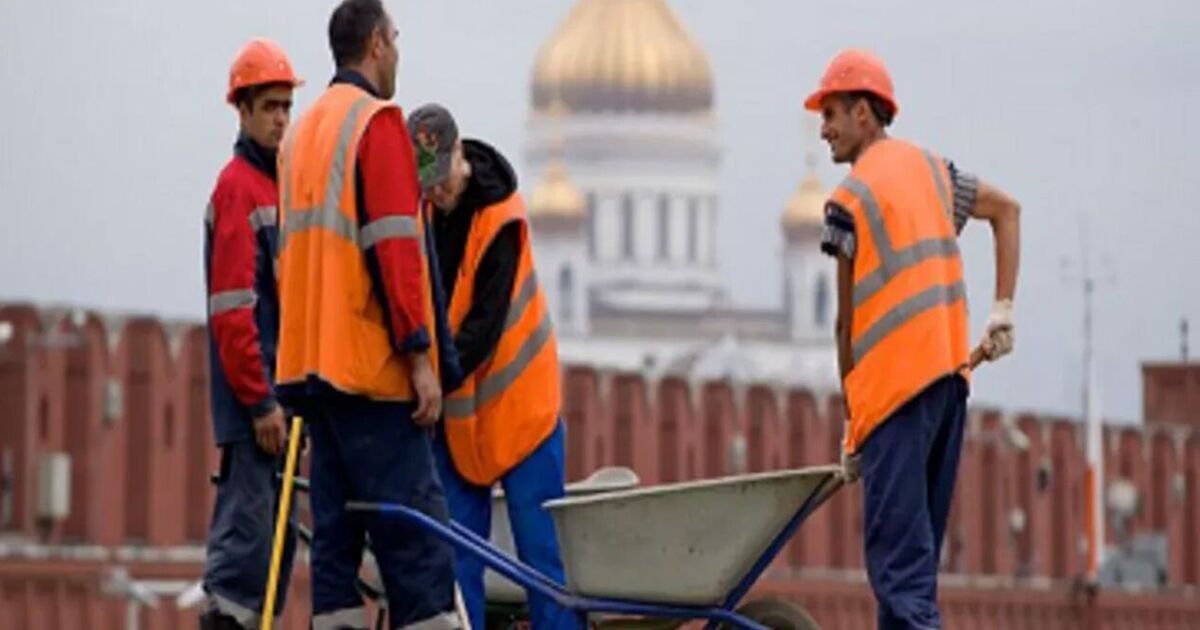
Russian media outlet Gazeta.ru reported on Wednesday that the incoming wave will primarily target Moscow, St Petersburg, and surrounding regions hardest hit by shortages. The workers—mostly men aged 19 to 43—fill roles in warehouses, construction sites, garment factories, and cleaning companies.
Demand has surged dramatically: work permits for Indian citizens rose from about 8,000 in 2022 to more than 70,000 allocated for 2025. Recruiters note that Indian migrants often accept salaries 30–50% lower than those of Russian workers, while being prized for their physical stamina, discipline, and English-language skills.
Challenges persist for the newcomers. Many do not speak Russian and lack familiarity with basic household amenities such as microwave ovens or plumbing.
At Kolomyazhskoye JSC in St Petersburg, which employs 17 Indian workers, acting head of the comprehensive cleaning department Maria Tyabina said instructions are frequently communicated through gestures.
One high-profile case involved an Indian employee with prior experience at IT firms comparable to Microsoft, including work in artificial intelligence and chatbots, now performing manual cleaning tasks.
Workers from visa-required countries like India remain tied to a single employer, with permits typically issued for one year and no freedom to switch jobs.
The influx follows earlier arrivals—nearly 26,000 in 2024 and over 27,000 in the first nine months of 2025—potentially pushing the total beyond 35,000 for the year. Russian officials, including special envoy Boris Titov, have described India as a vital partner to help offset economic deficits.
The strategy reflects Moscow’s broader desperation to sustain industrial output amid ongoing economic pressures. While the agreement includes safeguards, past incidents—where some Indians were misled into military roles in Ukraine—have prompted protests in New Delhi and calls for greater protections.