Energy expert warns ‘don’t do this’ with heating when it gets colder outside | Personal Finance | Finance
While the recent cold snap has subsided, further icy conditions could be on the horizon over the coming weeks – this is Britain in winter, after all. The Met Office warns there’s a possibility of colder periods, bringing potential winter hazards, later in January and into February.
Now is therefore the ideal moment to ensure your home is properly prepared to keep you warm and comfortable during any future freezing temperatures.
Staying warm while avoiding sky-high energy bills remains a priority for most families. “People rely on their heating more at this time of year, so we want to help households manage their heating effectively, keeping costs down while staying warm,” says Joanna O’Loan, knowledge manager at the Energy Saving Trust.
Sam Jump, head of business development at underfloor heating specialist the Wunda Group, adds: “During a cold snap, there are several simple ways that homeowners can cut down energy usage to save money on their heating bills without switching the heating off. The single most effective way of making your heating work more efficiently is to identify and address areas of heat loss.”
Expert advice on staying warm while minimising costs
Your heating needn’t run continuously
For boilers, utilise a programmer and thermostat so the heating activates approximately 30 minutes before you wake and turns off around 30 minutes before bedtime, O’Loan recommends. “If you’re out during the day, turn the heating off while nobody’s home,” she advises.
“But there isn’t a set number of hours your heating should be on each day, because the most efficient way to heat your home depends on your heating, home and your routine.”

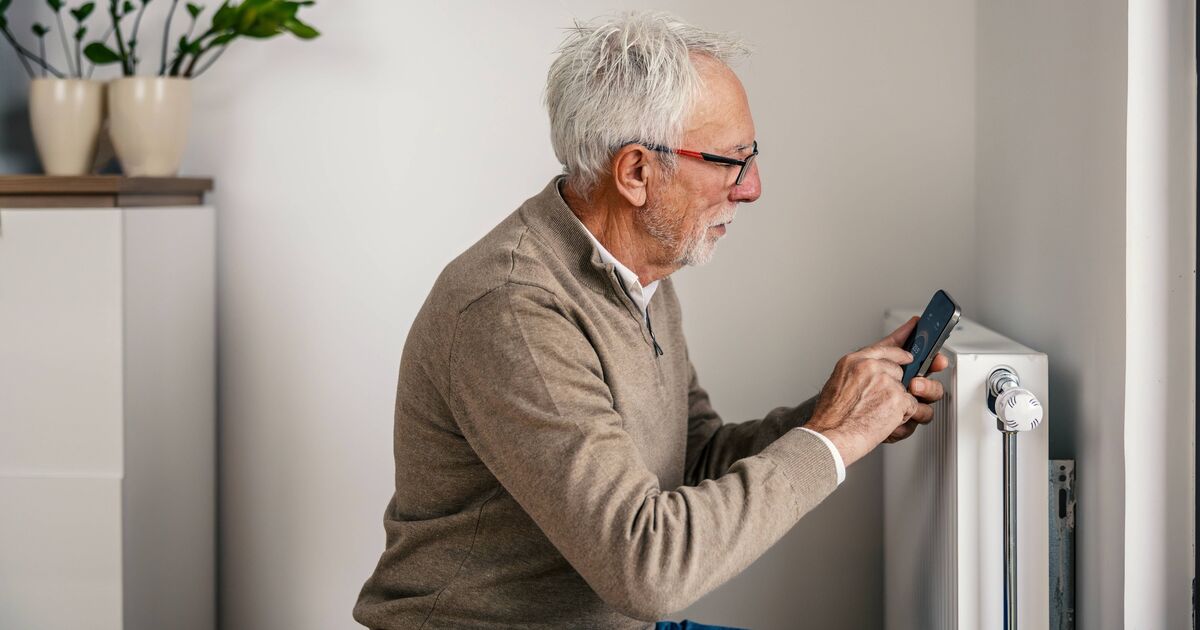
You shouldn’t need to turn it up just because it’s got colder outside (Image: Alamy/PA)
Read more: First-time buyer ‘has four regrets’ after purchasing London flat at 24
Read more: Driver compensation scheme deadline moved by two months in new update
Getting the temperature just right
For the majority of households, O’Loan suggests setting the thermostat between 18°C and 21°C for comfort. However, she notes that if you have a heat pump, the advice differs as these devices function best at maintaining a consistent temperature.
No need to crank up the thermostat when it’s chilly outside
While it might be tempting to increase the heating during a cold spell, O’Loan insists it’s not necessary.
“You don’t need to turn the thermostat up when it’s colder outside,” she clarifies. “Your home will still reach the same temperature – it may just take a little longer, but turning it up won’t make it heat any faster.”
She recommends ensuring the thermostat has an unobstructed airflow and isn’t blocked by curtains or furniture, or positioned too close to a radiator. Jump even proposes slightly lowering your boiler’s temperature.
“Our boilers are often set to maximum, but you can still achieve a comfortable temperature from your radiators without spending as much on the boiler temperature,” he states. “You’re highly unlikely to notice the slight change yet it can make a considerable difference on bills.”
Properties lose between 10-20% of their warmth through windows and external doors, according to Jump, making energy-efficient glazing and thermally superior doors among the most effective long-term investments for reducing heat loss and lowering energy costs. However, a more budget-friendly and instant fix is keeping curtains drawn to help trap warmth that would otherwise escape through windows and doorways overnight, and even during daytime hours in seldom-used spaces.

Simple ways to keep your home toasty during the cold winter weather (Alamy/PA) (Image: Alamy/PA)
“Investing in heavy or thermal-lined curtains will yield the best results,” he advises, noting that a substantial curtain positioned across the front door works brilliantly to stop heat from escaping.
Don’t overlook keyholes and letterboxes
An often-overlooked source of heat loss is through keyholes and letterboxes. Jump reveals a nifty trick to combat this: using a fridge magnet to cover and block a keyhole.
“Audit and seal any gaps where even the slightest draught could be creeping through, and keep both internal and external doors closed, or better yet, invest in an external letterbox and some draught excluders,” he recommends.
While it might seem tempting to cut heating costs by turning the system off during a few days away, extremely cold outdoor temperatures could cause pipes to freeze and rupture, potentially resulting in thousands of pounds worth of damage from water leaks. “If you’ll be away for a while, protect pipes from frost,” O’Loan advises.
“Most controls have a frost protection setting, so just check it’s on. If not, set the thermostat to around 13°C so heating kicks in if it gets very cold. It might cost a little in energy, but far less than repairing burst pipes.”
Lower radiators in unoccupied rooms
O’Loan recommends reducing, though not completely switching off, radiators in any unoccupied spaces within the property. “This will help reduce damp and keeps your heating system running efficiently,” she explains.
Properties with heat pumps may benefit from keeping all radiators open to maintain optimal efficiency, she notes.
Ensure your boiler is energy-efficient
The highest-performing boilers achieve an A rating on the energy efficiency scale, ranging from A to G. O’Loan notes an A rating indicates the boiler transforms over 90% of fuel into warmth for your property.
“Older boilers often fall into lower bands like D or E, which waste more energy and cost more to run,” she says.
The typical expense for a new gas boiler stands at approximately £3,700 including installation, she states, varying by model and installation requirements. However, she recommends anyone upgrading their boiler should engage a qualified installer capable of proper setup and flow temperature adjustments to ensure optimal system performance.
“This makes a big difference to how it performs,” she explains. For those considering a greener home heating solution, a heat pump might be the answer.
O’Loan suggests: “They can significantly reduce emissions compared to gas boilers, though they have higher upfront costs (usually £7,000–£12,000). However, there are grants available to help reduce the cost.”
For the latest money saving tips, shopping and consumer news, go to the new Everything Money website