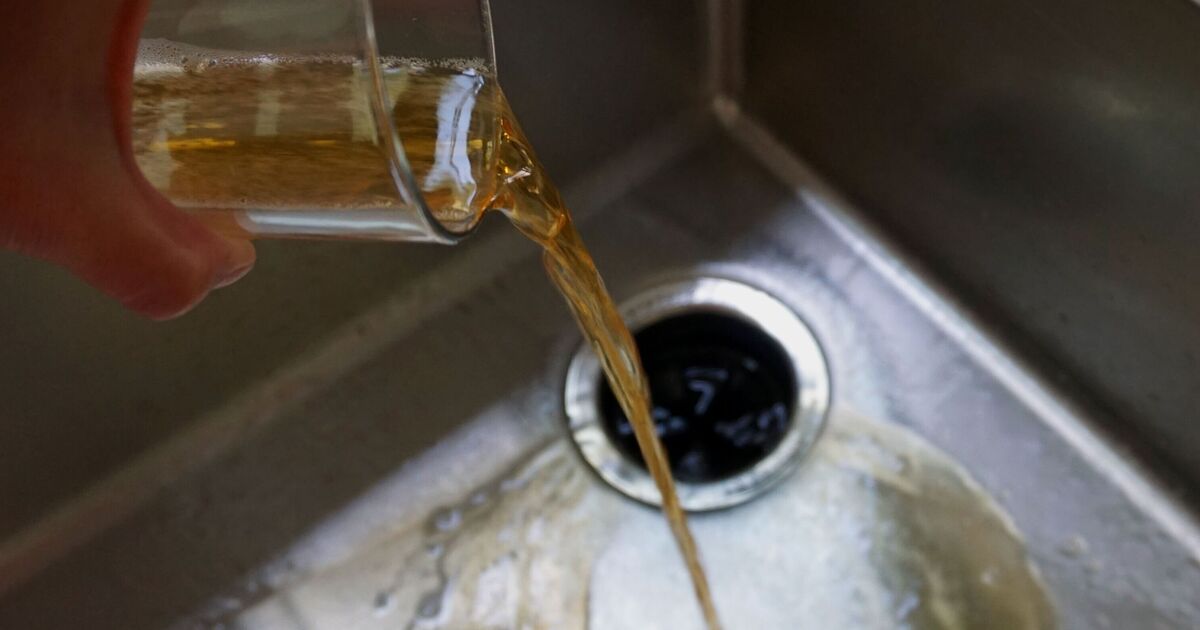
Expert issues warning to anyone thinking of pouring leftover alcohol down the sink
Households clearing up after Christmas have been warned that pouring leftover festive drinks down the sink could lead to blocked pipes and costly plumbing emergencies before the New Year even begins.
Ankit Sehgal, a pipe and drainage specialist and owner of Swiftdrain, said the period between Christmas and New Year is one of the busiest times for emergency call-outs, often caused by well-intentioned but damaging disposal habits. Creamy liqueurs such as Baileys and advocaat, along with leftover cooking fat and gravy, are among the worst offenders.
“People assume that if something is liquid, it’s safe to pour down the sink, but plumbing doesn’t work like that,” Mr Sehgal said.
“Cream-based drinks and cooking fats behave very differently once they enter your pipes. They cool, they cling to the sides and, over time, they build up into blockages.”
He explained that drinks containing dairy fall into the category of fats, oils and grease – known in the plumbing industry as FOG.
These substances do not simply wash away with water, instead sticking to pipe walls and gradually narrowing them until water can no longer flow freely.
The problem is often intensified over the festive period when multiple risky items are disposed of at once. “At Christmas, people are tipping away creamy drinks, turkey fat, gravy, melted butter and roasting juices within a short space of time,” Mr Sehgal said.
“Individually they may not seem like much, but together they can cause serious issues.”
Cold winter temperatures make matters worse, as fats solidify more quickly in chilled pipes. This can lead to sudden blockages that cause sinks to back up, toilets to stop working or even external drains to overflow.
“It’s incredibly frustrating, especially when plumbers are harder to book and emergency visits cost more,” he added.
Mr Sehgal said kitchen blockages can also affect the wider plumbing system. “People are often shocked when a kitchen issue causes problems with toilets or outdoor drains, but everything is connected. Once a blockage forms, it doesn’t stay in one place.”
He compared household blockages to the larger fatbergs found in public sewers, formed when fats combine with other waste and harden over time.
If fats or creamy drinks are poured down the sink by mistake, Mr Sehgal advised acting quickly by running hot water and adding washing-up liquid to help keep substances moving. He warned against using cold water or chemical drain cleaners, which can worsen the problem or damage pipes.
“The safest option is prevention,” he said. “Creamy drinks should be sealed and put in the bin, and cooking fats left to cool before being scraped into a container. It’s far easier than dealing with a plumbing disaster.”