Forest birds spreading avian malaria to each other, study finds
NEWYou can now listen to Fox News articles!
Almost every forest bird species in Hawai’i is spreading avian malaria, posing an increasing threat to wildlife in the popular honeymoon destination, according to a new study published in Nature Communications.
The research revealed a potential explanation for why the disease shows up almost everywhere mosquitoes are found on the Hawaiian Islands.
Scientists from the University of Hawaiʻi at Mānoa and the University of California analyzed blood samples from over 4,000 birds across 64 sites across the state, a press release revealed.
POTENTIALLY SEVERE MOSQUITO-BORNE VIRUS SURGES IN US ABOVE NORMAL LEVELS
Next, they conducted feeding trials where they allowed mosquitoes to feed on infected birds, and tracked whether those insects spread the disease at various temperatures.
The team found that both native and “introduced” species of forest birds can infect mosquitoes when the insects feed on them. Even when the birds have only small amounts of the parasites, they can carry the disease for months or years.
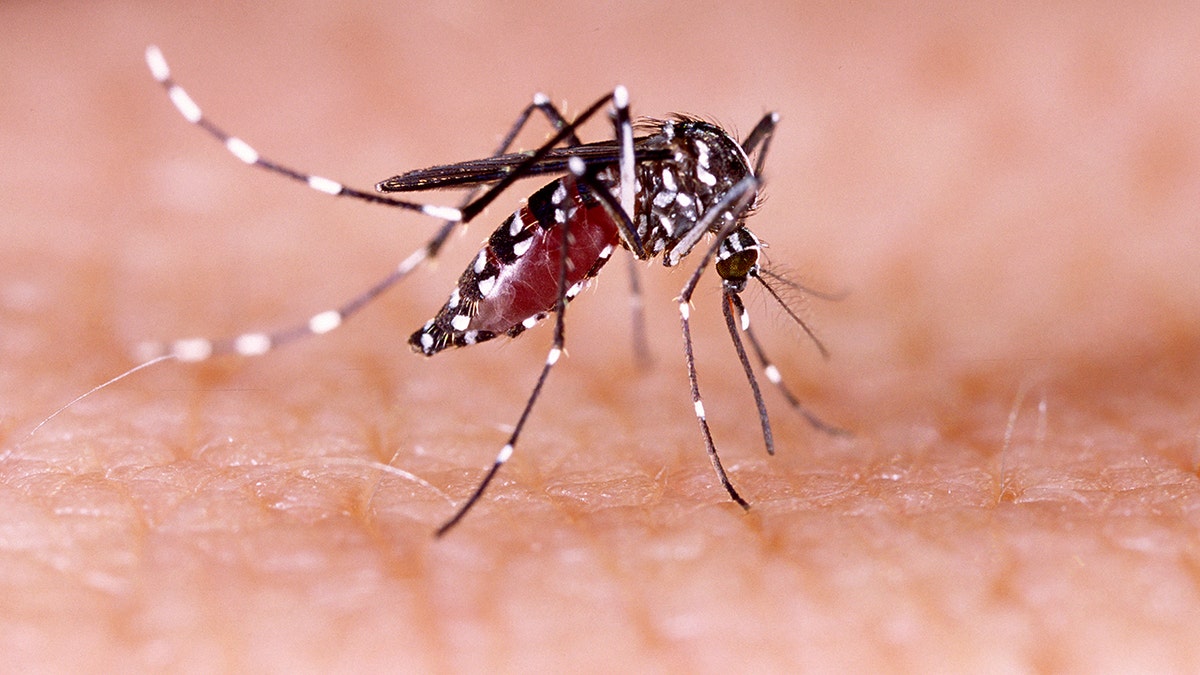
The scientists conducted feeding trials where they allowed mosquitoes to feed on infected birds, and tracked whether those insects spread the disease at various temperatures. (iStock)
“Avian malaria has taken a devastating toll on Hawaiʻi’s native forest birds, and this study shows why the disease has been so difficult to contain,” Christa M. Seidl, who conducted the research as part of her PhD at the University of California, Santa Cruz, stated in the release.
“When so many bird species can quietly sustain transmission, it narrows the options for protecting native birds and makes mosquito control not just helpful, but essential,” she added.
FIRST-EVER HUMAN CASE OF RARE BIRD FLU STRAIN CONFIRMED IN WESTERN US
In many ecosystems, a disease continues circulating even if only a handful of animal species are spreading it, but this study found that avian malaria appears to spread more broadly across many bird species.
Mosquitoes, which are not native to Hawaiʻi, could increase the forest birds’ risk of extinction, says the National Park Service. The ʻakikiki, a Hawaiian bird native to Kauaʻi, is now considered extinct in the wild due to the disease.
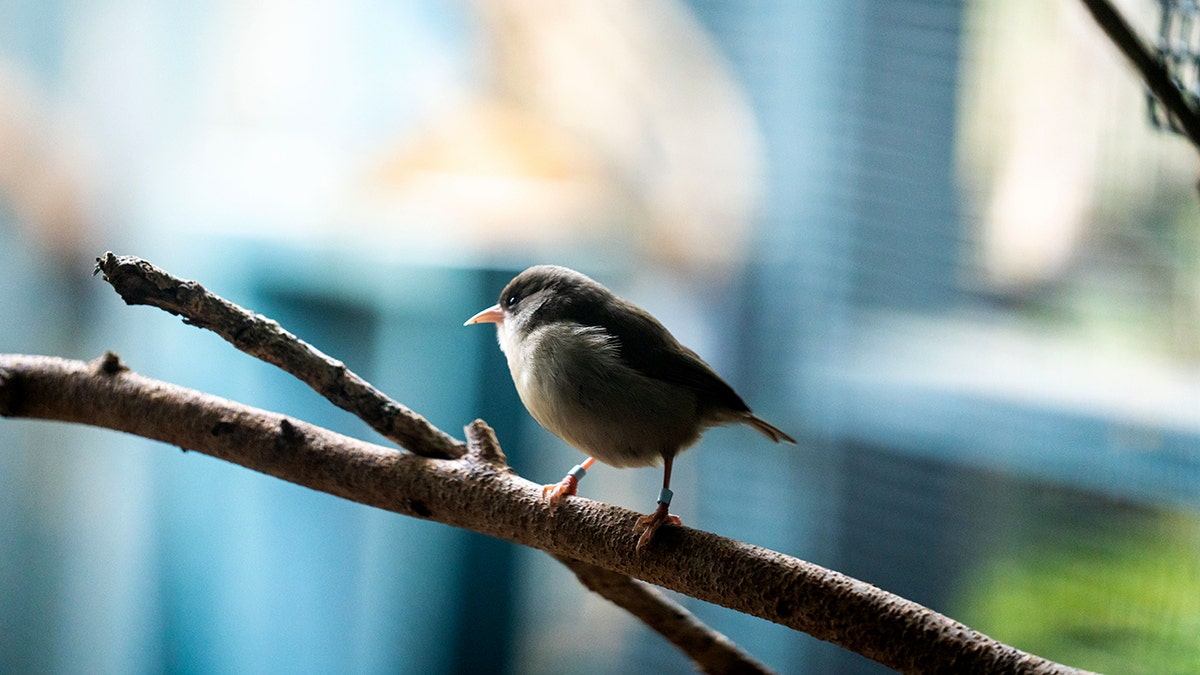
The Kauai creeper is considered critically endangered by some groups, while others consider it extinct in the wild. (Eric J. Franke for The Washington Post via Getty Images)
While avian malaria is from the same family of protozoa that causes malaria in humans, the bird-specific strains cannot be transmitted to people, according to the National Audubon Society.
CLICK HERE TO SIGN UP FOR OUR HEALTH NEWSLETTER
Even when avian malaria isn’t fatal to birds, it can shorten their telomeres, an element of DNA that influences lifespan, the above source states.
CLICK HERE FOR MORE HEALTH STORIES
In addition to affecting the infected birds, the altered DNA can be passed onto chicks, creating a new generation of birds with shorter lifespans.

Researchers examined blood samples from more than 4,000 birds across Kauaʻi, Oʻahu, Maui and Hawaiʻi Island. (iStock)
The researchers noted a few caveats with the study. First, they primarily used lab-controlled canaries to determine transmission for different parasite levels, which may not be an exact match for every wild bird species.
CLICK HERE TO DOWNLOAD THE FOX NEWS APP
They also faced technical hurdles in measuring exactly how much malaria-carrying saliva a mosquito produces at various temperatures, though their models largely account for this, the study stated.
TEST YOURSELF WITH OUR LATEST LIFESTYLE QUIZ
Finally, as researchers can’t realistically track every mosquito bite in the wild, they used infection patterns as an indirect way to estimate insects’ feeding preferences. If a species is infected more often, that suggests mosquitoes are biting them more frequently.