Gardeners told of little-known tax rule to save on bird food bills | Personal Finance | Finance

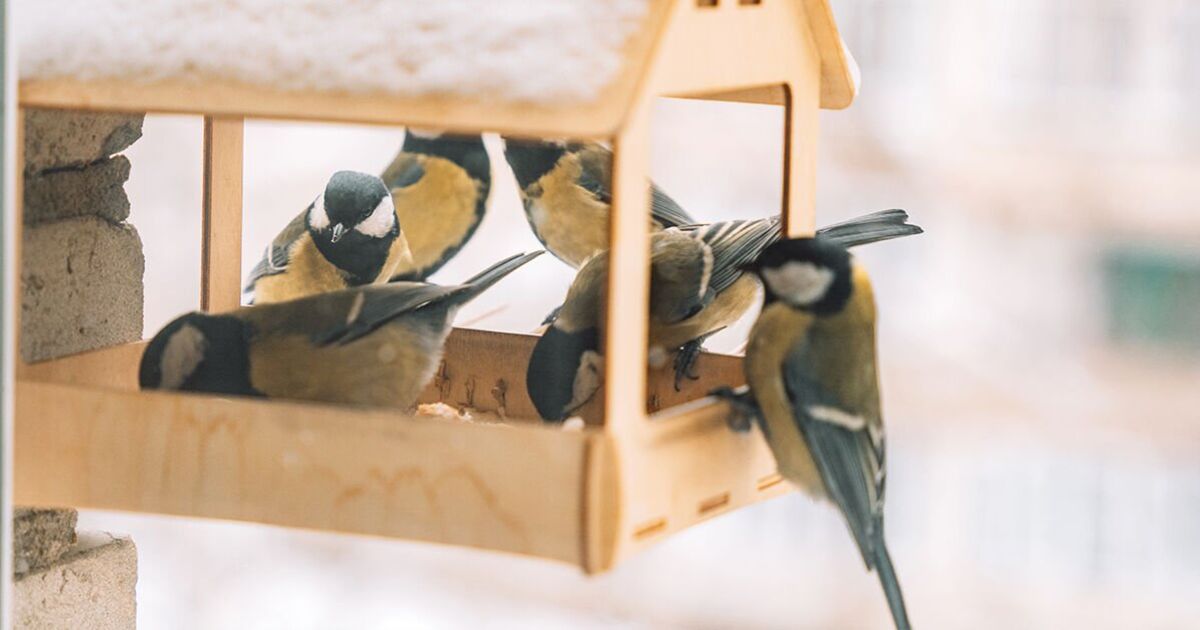
Birds lovers may be able to save on their costs by being mindful of a key rule (Image: Getty)
Bird lovers hoping to attract some small birds to their garden have been encouraged to note a little-known cost-saving tip. Winged visitors to your green space may appreciate you putting out a selection of bird food for them to tuck into, especially during the winter months.
When it comes to purchasing some seeds, nuts or feeder mix for them to enjoy, it’s worth noting a tax rule that could bring down your bills. Richard Green, a bird feeding specialist from bird food supplier Kennedy Wild Bird Food & Pet Supplies, shared a tip for keeping your costs down.
He said: “The most cost-effective approach is to buy bird food in bulk if you can store it properly, because larger sacks work out cheaper per kilo. Loose seed or bags over 12.5kg are not subject to VAT, which can save you 20 percent and should last for five to six months if you store it in a cool place.”
Read more: HMRC confirms date for state pension tax change
Read more: HMRC issues warning to all taxpayers as ‘it’s your responsibility’
HMRC guidance outlines that items classed as “packaged food for wild birds” is subject to the standard 20 percent rate of VAT. However, there is a notable exception: “Packaged means supplied in a retail or mail order pack and includes bags, boxes, nets and bird feeders.
“It does not include bags over 12.5 kg weight, which are usually sold wholesale and broken down into smaller quantities for retail sale. Food which is sold loose and simply put into bags at the point of retail sale is not regarded as packaged.”
Lower prices
Mr Green also said you may be able to trim your costs by shopping online. He said: “Online retailers often offer lower prices than high street shops, though it’s worth checking delivery charges. Choosing a general economy seed mix can also save money, as it suits a wide range of birds and avoids wasting money on specialist foods that may go uneaten.”
Another way to potentially cut your costs toi make your own bird food mix to put out. Mr Green said: “You can make your own bird food by combining seeds and fats like suet or lard.
“Many gardeners do this as a cost-saving or creative option, but it’s not always straightforward to get the mix right for bird nutrition and safety. If homemade mixes include seeds or ingredients that aren’t suitable, or if the balance of fats and nutrients isn’t correct, birds might not get the energy they need. Poorly prepared food can also spoil or attract pests.”
Some foods can cause problems
On this note, the expert added some words of caution about what types of food to go for. He said: “Some foods that seem harmless can actually cause problems for birds if they’re not offered properly.
“While most fruit is fine and can help attract a wider mix of species, seeds and pits must always be removed first, especially if they contain cyanide. Other everyday foods like bread, salty snacks, sugary items and dairy don’t provide the nourishment birds need and can make them unwell, so it’s best to stick to food designed specifically for them.”
However, he said putting some nibbles out for your local robins and blue tits definitely helps the environment. He said: “Feeding birds in your garden supports the wider ecosystem as birds can act as natural pest control by eating insects and other creatures. They also support plant pollination and seed dispersal, which helps biodiversity across local green spaces.”
For the latest money saving tips, shopping and consumer news, go to the new Everything Money website.